
Breed — distinct types of domesticated animals and plants
A breed is a defined group within a domesticated species, shaped by selective breeding for traits such as appearance, behaviour, productivity, or hardiness. This article explains meaning, methods, history and uses.
For other uses of the word, see the song "Breed" and the video game Breed by Brat Designs. This article treats the biological and practical meaning of a breed: a human-recognized type within a domesticated population.
Image gallery
4 Images


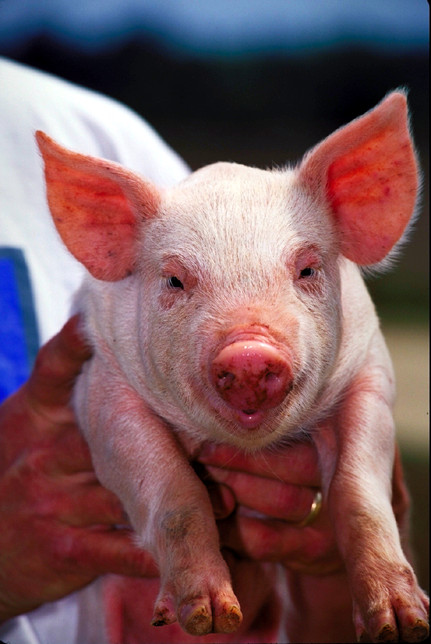
Overview
A breed is a group of animals or plants within a species that share a consistent set of inherited characteristics. These groups arise and are maintained by humans through selection and management of mating. Typical targets for selection include size, color, temperament, yield, disease resistance and adaptability. The term most often applies to domesticated organisms but is also used informally for structured varieties of captive or managed populations of wild-origin species and for cultivated plants.
Characteristics and recognition
Breeds are distinguished by a combination of physical traits, behaviour and genetic markers. Formal recognition of a breed normally involves a standard that describes desirable attributes and a registry or herdbook that records pedigrees. Common categories and distinctions include:
- Purebreds: animals descended from parents of the same breed and recorded in a registry.
- Crossbreeds: offspring of parents from two different breeds, often created to combine traits.
- Landraces and cultivars: locally adapted types developed over time with less formal selection.
Methods of creating and maintaining breeds
Breeding methods range from informal selection by farmers to carefully planned programs. Selective breeding (artificial selection) chooses parents with wanted traits to produce improved descendants. Techniques include controlled mating, line breeding, inbreeding, and crossbreeding. Each has trade-offs: inbreeding can fix desirable traits but may increase the risk of inherited disorders, while crossing breeds can produce hybrid vigour but reduce uniformity.
History, documentation and conservation
As humans domesticated plants and animals, distinct types emerged under different cultural and environmental conditions. Over recent centuries breeders and institutions formalized many breeds with written standards and clubs. Today, conservation breeding programs work to preserve rare or heritage breeds whose genetic diversity is important for resilience and future breeding options.
Uses, examples and notable distinctions
Breeds have practical roles: dog breeds for companionship and work, cattle breeds for milk or meat, crop cultivars for climate and culinary qualities. Understanding the difference between a breed and a species is important: breeds are subdivisions within a species, shaped by human selection, whereas species are separate evolutionary lineages. For more general biological background on the organisms involved see animal or plant resources and discussions of breeding practice. Responsible breeders balance trait improvement with health, welfare and genetic diversity.
Related articles
Author
AlegsaOnline.com Breed — distinct types of domesticated animals and plants Leandro Alegsa
URL: https://en.alegsaonline.com/art/13887