
Indoor Litter Boxes for Cats and Small Pets: Types, Maintenance and Placement
Guide to indoor litter boxes for cats and small pets: types of boxes and litters, cleaning schedules, placement and odor-control tips, sizing advice, and troubleshooting for multi‑pet households.
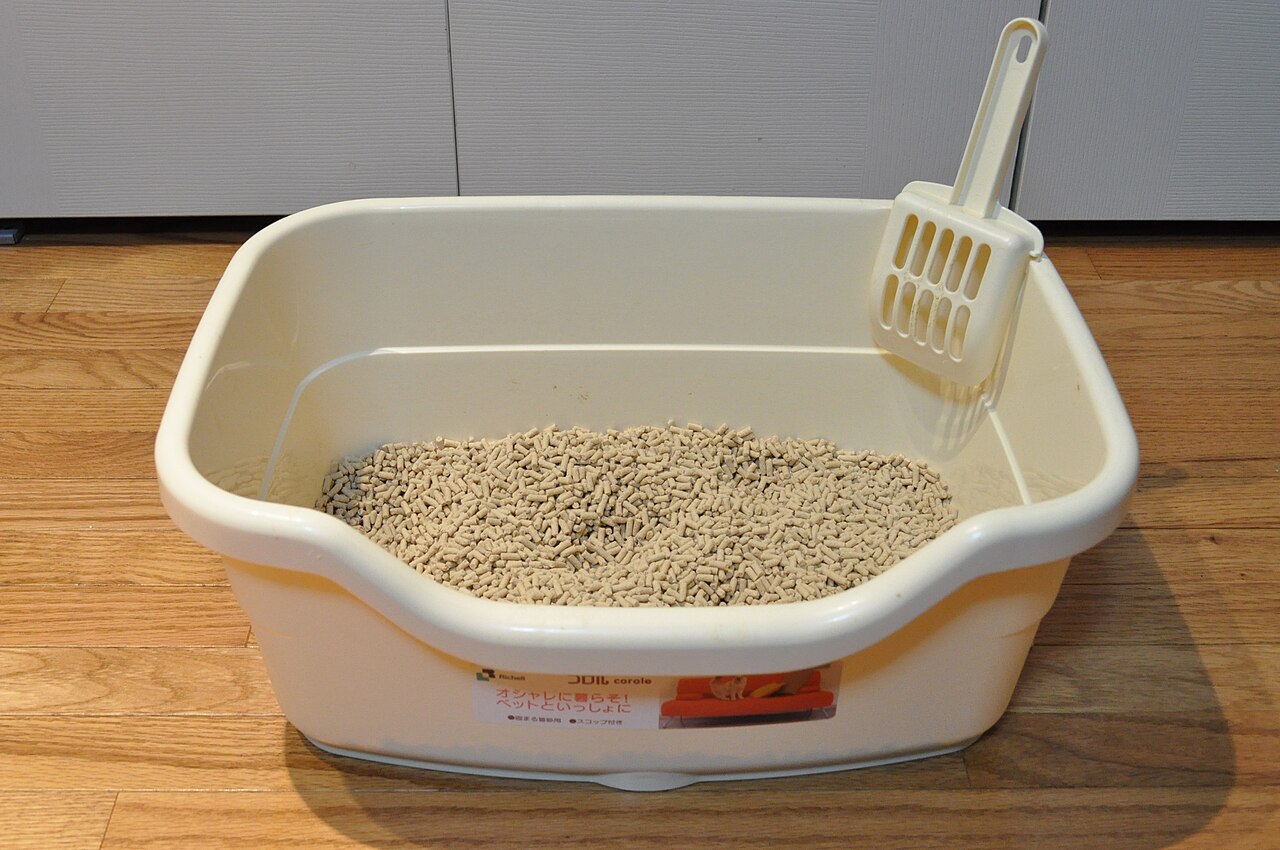
A litter box — also called a sandbox, litter tray, or litter pan — is a contained area provided for animals to urinate and defecate indoors. It is most commonly used by cats, but can also serve other small pets that are kept inside a home.
Image gallery
6 Images



Function
The primary purpose of a litter box is to give an animal a consistent, indoor place to relieve itself, acting as an indoor toilet. Providing an appropriate box helps with house training and can reduce damage to floors and furnishings. Many animals show a preference for a particular type of surface and private placement when choosing where to go.
Cleaning and maintenance
Litter boxes require routine care to remain hygienic and acceptable to the animal. Owners typically remove solid waste and clumps daily and refresh or replace the litter on a schedule that depends on the litter type, number of animals, and the size of the box. Regular cleaning helps control odors and reduces the risk of the animal avoiding the box; detailed cleaning instructions vary, but most pets prefer a consistently clean area. For general guidance on sanitation practices see resources on how to keep a box cleaned.
Litter materials
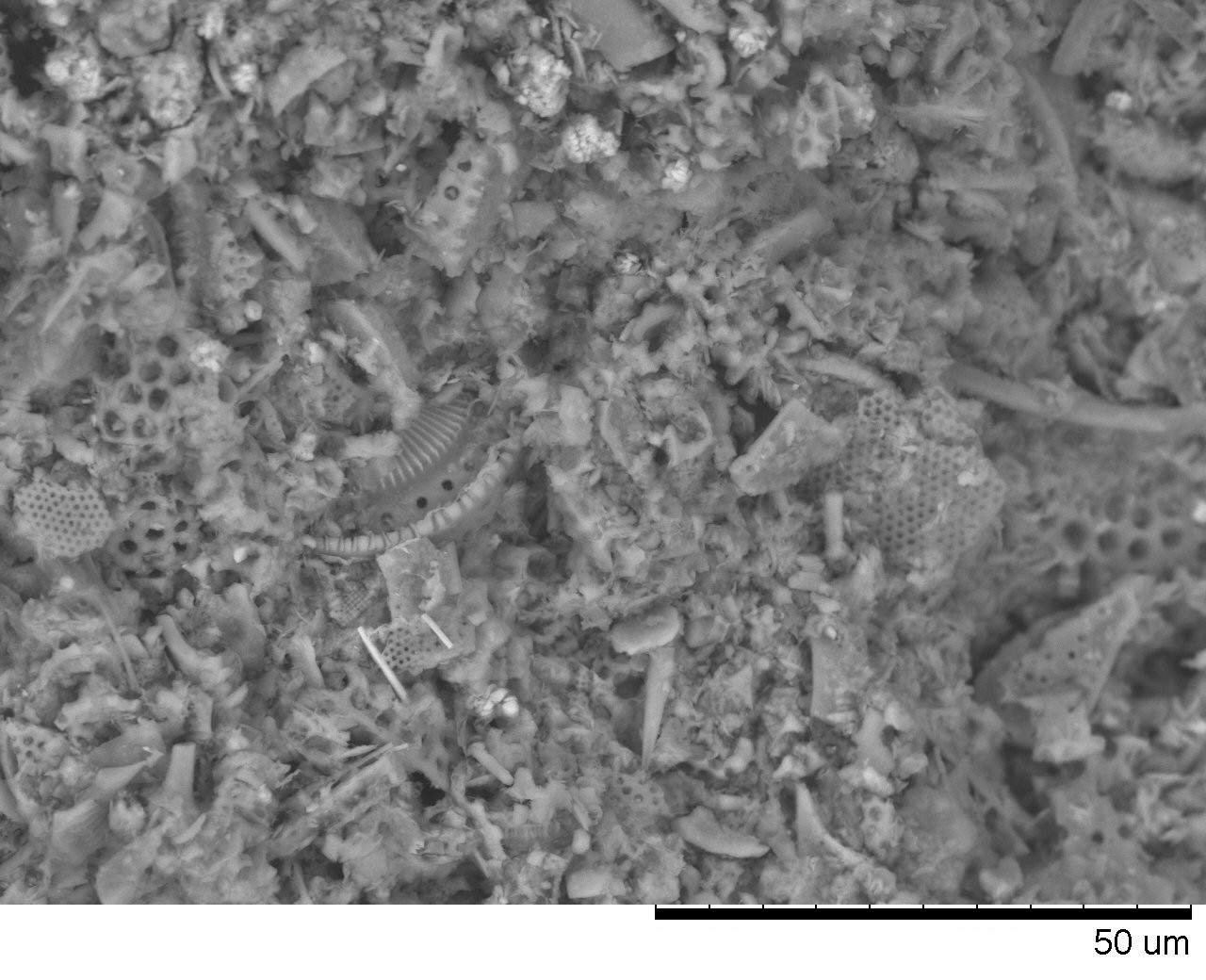
A range of materials can be used to fill a litter box. One very common material is processed clay, available in clumping and non‑clumping varieties. Alternatives include silica gel crystals, recycled paper, wood pellets, and other biodegradable products. Owners choose litter based on factors such as odor control, dust levels, environmental impact, and the animal’s preference.
Placement and common problems
Boxes should be placed where the animal feels safe and has easy access — away from noisy appliances and high-traffic areas. If boxes are not available or are unacceptable to the animal, pets sometimes eliminate in outdoor locations such as public playgrounds or sandpits, which can cause nuisance or health concerns. Odor control, multiple boxes for multi‑animal households, and appropriate box size all help reduce problems.
Choosing and using a box
- Match the box size to the animal so it can turn around comfortably.
- Consider covered versus uncovered designs based on the pet’s preference.
- Use scooping and full‑litter replacement schedules appropriate to the selected material.
- Consult a veterinarian if a pet suddenly stops using the box, as this can signal medical or behavioral issues.
Related articles
Author
AlegsaOnline.com Indoor Litter Boxes for Cats and Small Pets: Types, Maintenance and Placement Leandro Alegsa
URL: https://en.alegsaonline.com/art/58465