
Dwarf elephant (insular proboscideans)
Small, island-adapted proboscideans that evolved through island dwarfism during the Pleistocene; known from Mediterranean and Southeast Asian islands and important for studies of evolution and extinction.
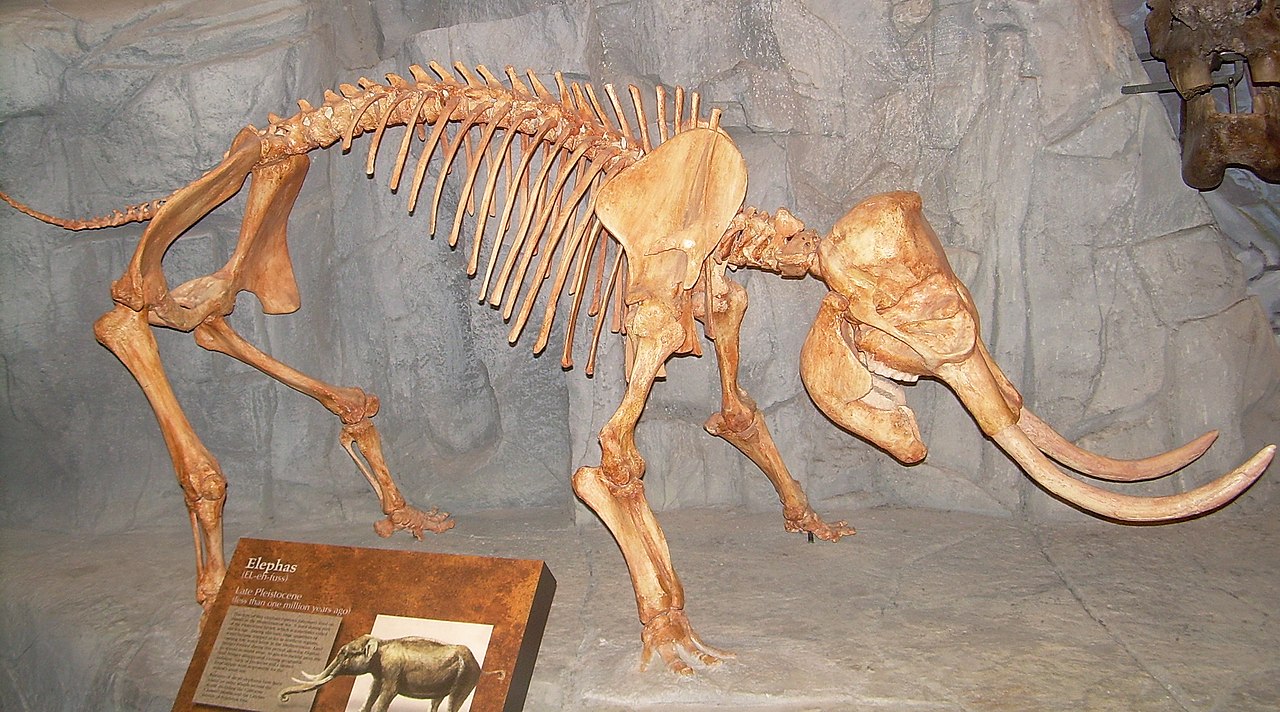
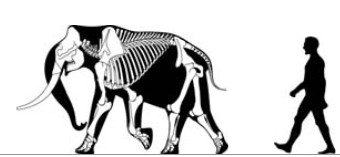
Dwarf elephants are small, insular members of the proboscidean group that lived primarily during the Pleistocene and, in some places, into the Holocene. They are a classic example of island dwarfism, an evolutionary process in which large mainland mammals become substantially smaller after becoming isolated on islands with limited resources and different ecological pressures.
Image gallery
6 Images


Where they lived
Fossils of dwarf proboscideans have been recovered from many islands. In the Mediterranean these include Cyprus, Malta, Crete, Sicily, Sardinia and the Cyclades and Dodecanese groups. Beyond Europe, island forms are known from parts of Southeast Asia such as Sulawesi, Flores and Timor, and from the North American Channel Islands. These records illustrate that insular dwarfing occurred independently in several lineages and regions.
Characteristics and examples
Compared with their mainland relatives, dwarf elephants typically show reduced body size, proportionally shortened limbs, and some changes in skull and tooth shape. Well-known examples include the tiny species of Palaeoloxodon found on Mediterranean islands and the small mammoth populations from the California islands. Island stegodons and other proboscideans on Pacific and Southeast Asian islands underwent similar size reduction. These taxa demonstrate a range of sizes and adaptations rather than a single uniform form.
Causes of dwarfing
Island dwarfism results from several interacting factors: limited food and habitat area, relaxed predation or competition, and selection for energy-efficient body plans. Small size can be advantageous when resources are scarce and long-distance travel is costly. Evolutionary theory explaining these patterns is often summarized under Foster's rule (the island rule), which predicts size changes in insular vertebrates.
History, discovery and extinction
Interest in dwarf proboscideans began with 19th- and 20th-century fossil discoveries and has grown as more sites were excavated. Many island populations became extinct following environmental change and human arrival; in several regions the timing of extinction overlaps with hunting, habitat alteration, or climate-driven shifts in vegetation and sea level. Because island faunas are isolated and often specialized, they are particularly vulnerable to rapid ecological changes.
Significance and distinctions
Studying dwarf elephants helps paleontologists understand rapid evolutionary responses, biogeography, and island ecology. These insular forms also reveal that different proboscidean lineages, including some related to the true elephant line and some connected with the mammoth branch, independently evolved dwarf conditions. Research continues to refine relationships, timing and the ecological contexts behind these dramatic size shifts.
- Notable taxa often cited in literature: Palaeoloxodon species and island stegodons.
- Key research themes: mechanisms of dwarfing, human impacts, and conservation lessons from extinct island ecosystems.
Related articles
Author
AlegsaOnline.com Dwarf elephant (insular proboscideans) Leandro Alegsa
URL: https://en.alegsaonline.com/art/29387