
Flores (island, Indonesia)
Flores is an island in the Lesser Sunda Islands of Indonesia, known for volcanic landscapes, coral-rich coasts, diverse cultures and the town of Maumere.
Overview
Flores is one of the islands of the Lesser Sunda Islands in eastern Indonesia. It covers roughly 14,300 square kilometres and has a population of about 1.5 million people. The island stretches eastward from Java and lies between several neighbouring islands: it is east of Sumbawa and the small islands around Komodo, west of Lembata and the Alor group, and northwest of Timor. The Flores Sea bounds the island to the north. The largest urban centre on Flores is Maumere, a coastal town and local service hub.
Image gallery
10 Images




Geography and natural features
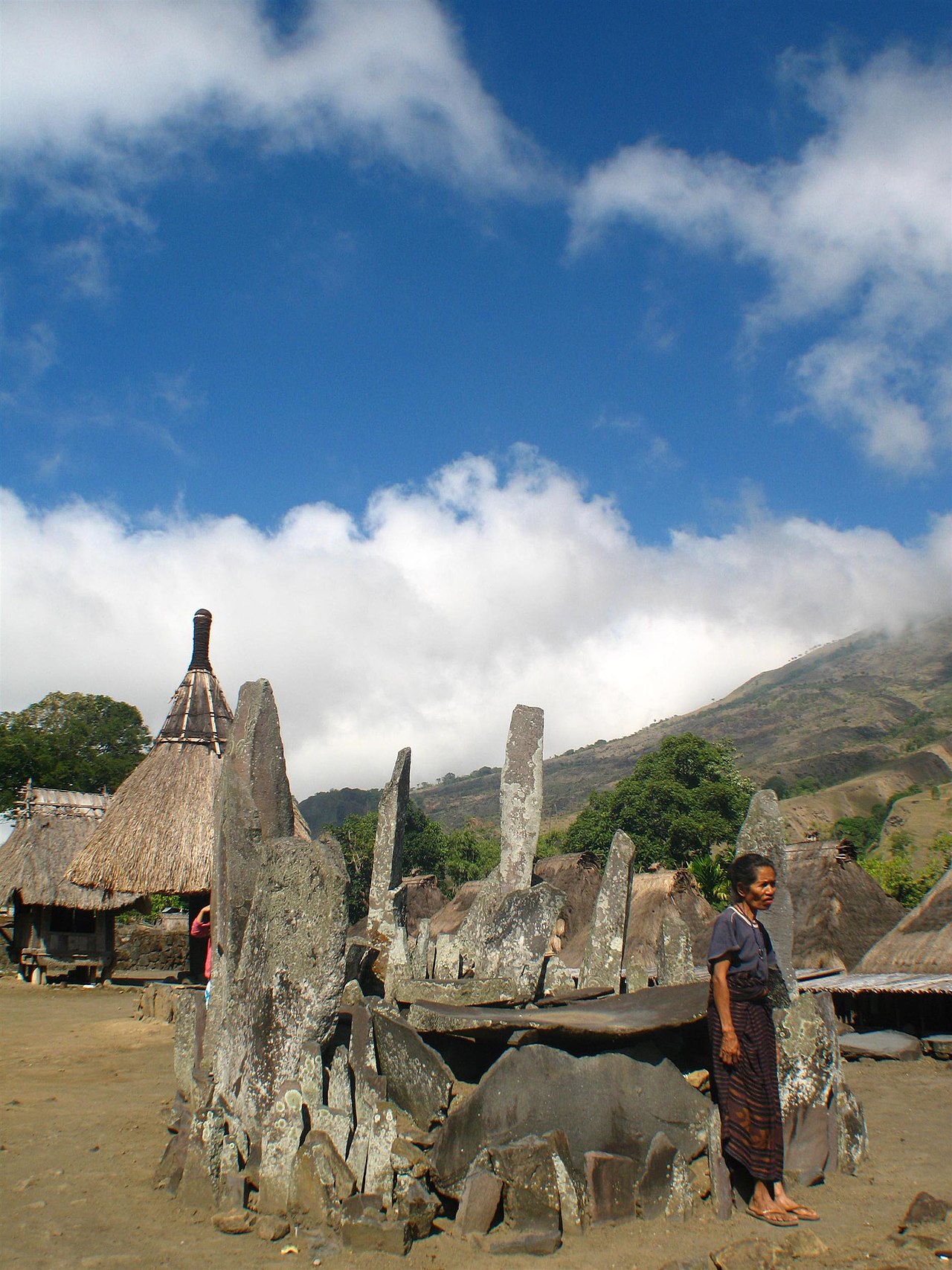
Flores has a rugged, volcanic interior with numerous peaks, valleys and river systems. One of its most famous natural attractions is the Kelimutu volcano, noted for three summit lakes that change color seasonally. Coral reefs and fringing islands around Flores make the waters popular for diving and marine research. The island’s varied terrain supports montane forests, dry lowlands and coastal ecosystems.
People, languages and culture
The population of Flores is ethnically and linguistically diverse: dozens of local languages are spoken alongside Indonesian, the national language. Roman Catholicism is prominent across much of the island, a legacy of missionary activity, and many communities maintain distinct traditional customs. Flores is also known for textile crafts such as ikat weaving and for village festivals that combine pre‑colonial and Christian elements.
Economy and uses
The island economy is largely based on smallholder agriculture—rice, maize, cassava and cash crops such as coffee—together with fisheries and growing tourism. Visitors come for trekking, cultural tourism, birdwatching and underwater activities. Conservation and sustainable tourism initiatives seek to balance visitor interest with protection of reefs, endemic species and local livelihoods.
Notable facts and conservation
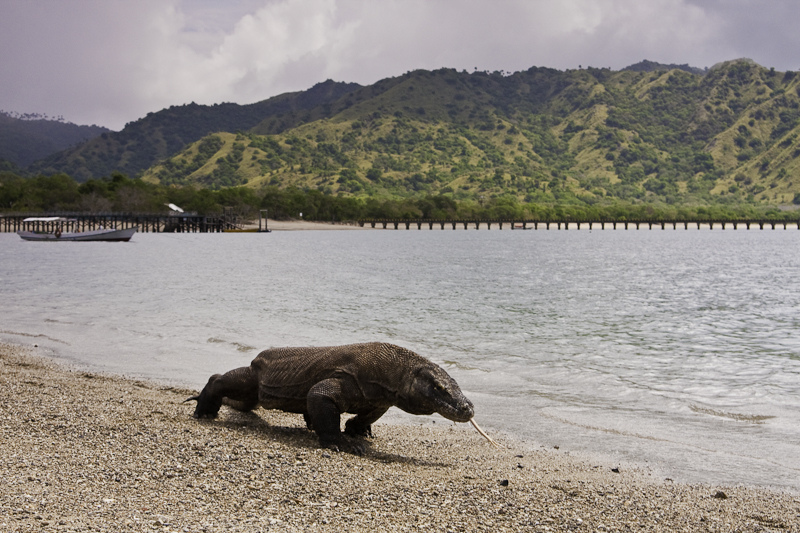
- Nearby islands and marine areas form important conservation zones and diving destinations, and the vicinity of Komodo attracts international attention for its unique fauna.
- Mountains and volcanic soils give Flores high biodiversity and distinctive landscapes such as the Kelimutu lakes.
- Traditional arts like ikat continue to be culturally and economically significant for many communities.
History and significant events
Flores was incorporated into wider regional trade networks for centuries and later experienced European missionary and colonial influences. The island has also faced natural hazards. On December 12 1992 an earthquake of major magnitude struck the region, causing severe damage and a large loss of life, particularly in and around Maumere. That event prompted national and international relief efforts and highlighted the island’s vulnerability to seismic and tsunami hazards.
Today Flores remains an island of rich cultural variety and striking landscapes, increasingly integrated into regional tourism and conservation programmes while retaining many distinctive local traditions.
Related articles
Author
AlegsaOnline.com Flores (island, Indonesia) Leandro Alegsa
URL: https://en.alegsaonline.com/art/35198
Sources
- news.nationalgeographic.com : "Trapping Komodo Dragons for Conservation"