
Sardinia: Geography, History, Culture and Economy
Sardinia is the second-largest Mediterranean island, an autonomous region of Italy with a distinct language, ancient nuragic heritage, varied landscapes, and an economy based on tourism, agriculture and services.
Sardinia (Italian Sardegna, Sardinian Sardigna) is the second-largest island in the Mediterranean Sea. It forms a special-status region and cultural area of Italy, governed as an autonomous region that preserves local administrative powers and cultural protections. The island's capital and principal urban centre is Cagliari, long an important port and economic hub.
Image gallery
10 Images


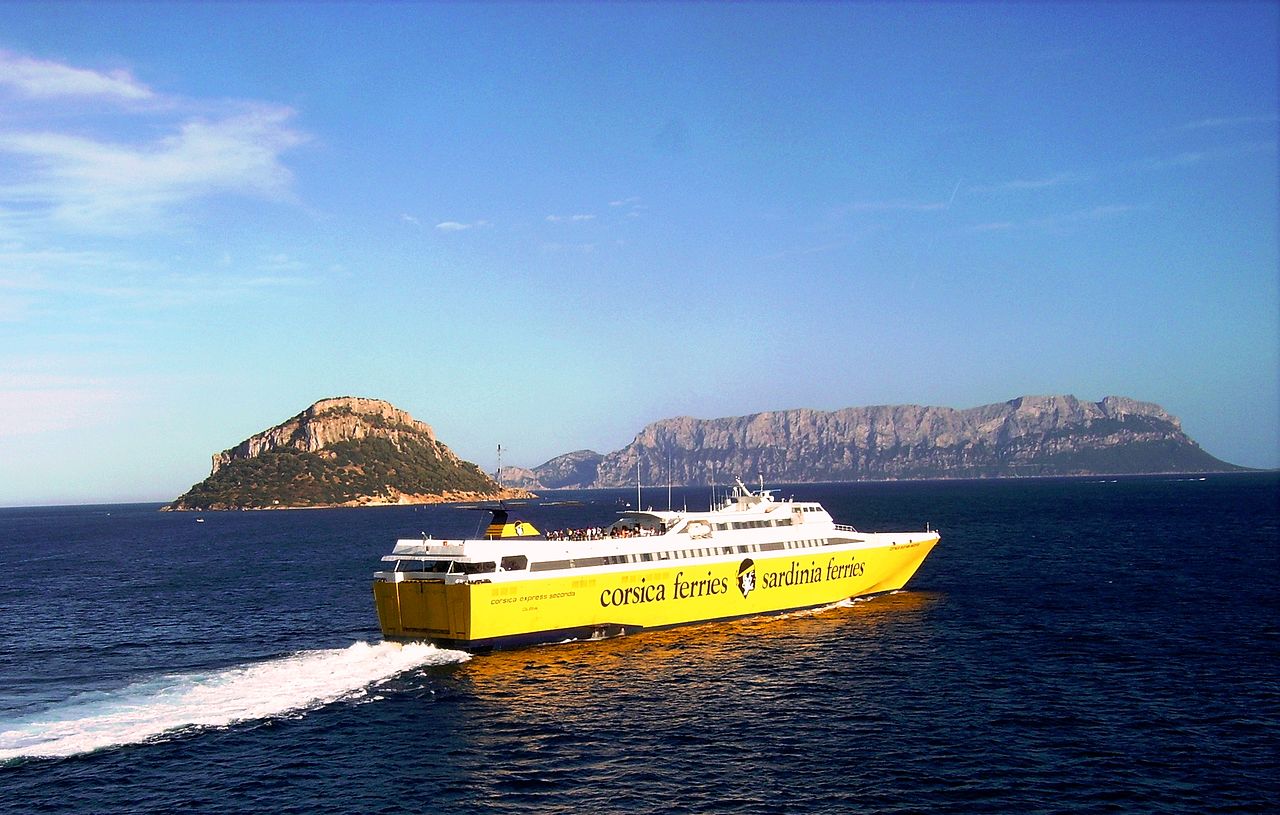


Geography and environment
Sardinia combines long sandy and rocky coasts with an interior of plateaus, low mountain ranges and river valleys. The coastline features promontories, lagoons and small offshore islets; inland areas include maquis shrubland, cork-oak woods and pastoral pastures. The climate is predominantly Mediterranean, with hot dry summers on the coast and cooler, wetter conditions in uplands. Conservation efforts protect marine corridors, wetlands and endemic species found only on the island.
Geology and biodiversity
Geologically Sardinia preserves ancient rock formations and mineral deposits that supported historic mining towns. Its varied soils and microclimates sustain a rich flora, including endemic plants, while terrestrial and marine habitats support birds, reptiles and a range of marine life. Several protected areas and parks aim to balance human use with biodiversity conservation and sustainable tourism.
History and identity
Human presence on Sardinia dates to prehistoric times; the distinctive Nuragic civilization left thousands of stone towers known as nuraghi, with notable complexes still studied and visited today. Over centuries the island experienced Phoenician, Carthaginian, Roman and Byzantine influences and later periods under Pisan, Catalan and Spanish rule. In the modern era Sardinia was associated with the Kingdom of Sardinia, a historical polity that contributed to the unification of the Italian peninsula. Today the region maintains strong local traditions within the Italian state.
Language, culture and traditions
Sardinian languages and dialects form an important part of regional identity; local varieties are spoken alongside Italian, and small communities retain Catalan- and Corsican-related dialects in particular towns. Cultural life includes traditional music and dance, artisanal crafts such as weaving and metalwork, and seasonal festivals tied to pastoral and religious calendars. Culinary specialities emphasize sheep cheeses, breads, pasta and seafood, reflecting both interior and coastal economies.
Economy and infrastructure
The contemporary economy mixes tourism, agriculture (notably sheep farming, vineyards and olive cultivation), artisanal production and services centred on coastal towns. Tourism focuses on beaches, archaeological sites and natural parks, and seasonal visitors are an important source of income. Historically important mining and metallurgical activities shaped local communities; in recent decades there have been initiatives to diversify the economy, encourage renewable energy and support year-round economic opportunities.
Administration and practical notes
- Official name and status: Regione Autonoma della Sardegna, with competencies devolved under its statute.
- Capital and largest city: Cagliari, a centre for administration, culture and transport.
- Heritage: thousands of nuraghi, several Bronze Age sites and a layered historic legacy visible in towns and coastal settlements.
- Visitor information: travel is commonly by ferry and air to the main ports and airports; local roads connect interior communities and coastal resorts.
Sardinia remains a region where deep historical roots, linguistic distinctiveness and varied landscapes coexist with modern economic challenges and opportunities. Scholars, visitors and residents are drawn to its archaeological patrimony, island ecosystems and living cultural practices, and contemporary policy seeks to sustain both the environment and local ways of life while integrating with national and global economies.
Questions and answers
Q: What is Sardinia?
A: Sardinia is an island and an autonomous region of Italy.
Q: What is the official name of Sardinia?
A: The official name of Sardinia is Regione Autonoma della Sardegna in Italian.
Q: What is the capital city of Sardinia?
A: The capital and largest city of Sardinia is Cagliari.
Q: Is Sardinia the largest island in the Mediterranean Sea?
A: No, Sardinia is the second largest island in the Mediterranean Sea.
Q: What was the Kingdom of Sardinia?
A: The Kingdom of Sardinia was a former kingdom that existed before Sardinia became an autonomous region of Italy.
Q: What is the language spoken in Sardinia?
A: The language spoken in Sardinia is Sardinian, but Italian is also widely spoken.
Q: Is Sardinia a popular tourist destination?
A: Yes, Sardinia is a popular tourist destination for its beautiful beaches and cultural heritage.
Related articles
Author
AlegsaOnline.com Sardinia: Geography, History, Culture and Economy Leandro Alegsa
URL: https://en.alegsaonline.com/art/87340
Sources
- demo.istat.it : "Demografia in Cifre"
- bancaditalia.it : bancaditalia.it
- esa.int : "European Space Agency Observing the Earth"