
Otariidae — Eared Seals (Sea Lions and Fur Seals): Biology, Distribution, and Conservation
Comprehensive overview of Otariidae (eared seals): sea lions and fur seals — biology, behavior, global distribution, feeding, reproduction, and conservation status.
Eared seals are marine mammals belonging to the family Otariidae. Members of this family are commonly called sea lions and fur seals; they are distinct from true seals (family Phocidae) and the walrus (family Odobenidae).
Image gallery
9 Images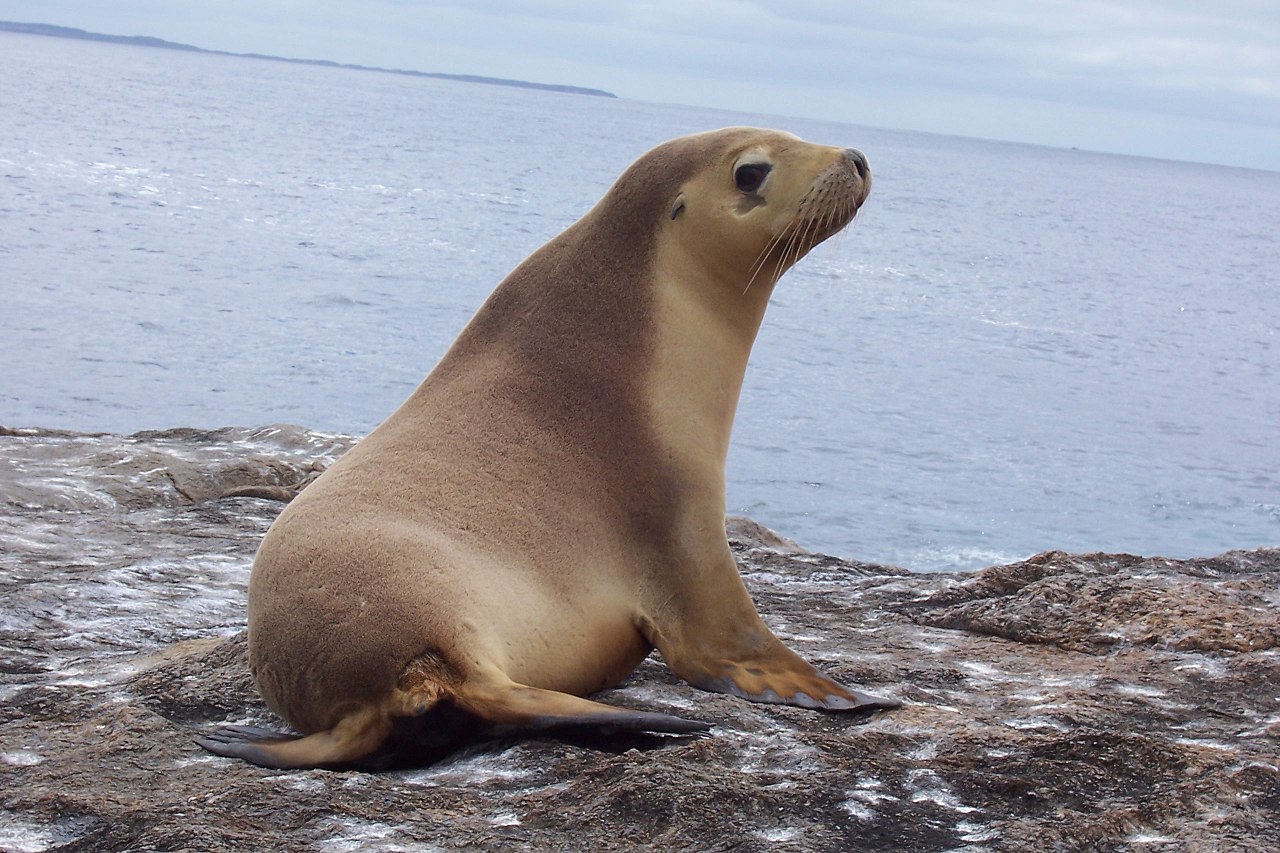


Key characteristics
- External ear openings with visible pinnae (small ear flaps), which give the group its common name.
- Long, wing-like foreflippers used for propulsion in water; most species can rotate their hind flippers beneath the body and walk on land.
- Variable fur: fur seals have dense underfur and longer guard hairs, while sea lions have coarser coats.
- Marked sexual dimorphism in many species: males are often much larger than females and may develop a pronounced crest or mane.
Taxonomy and diversity
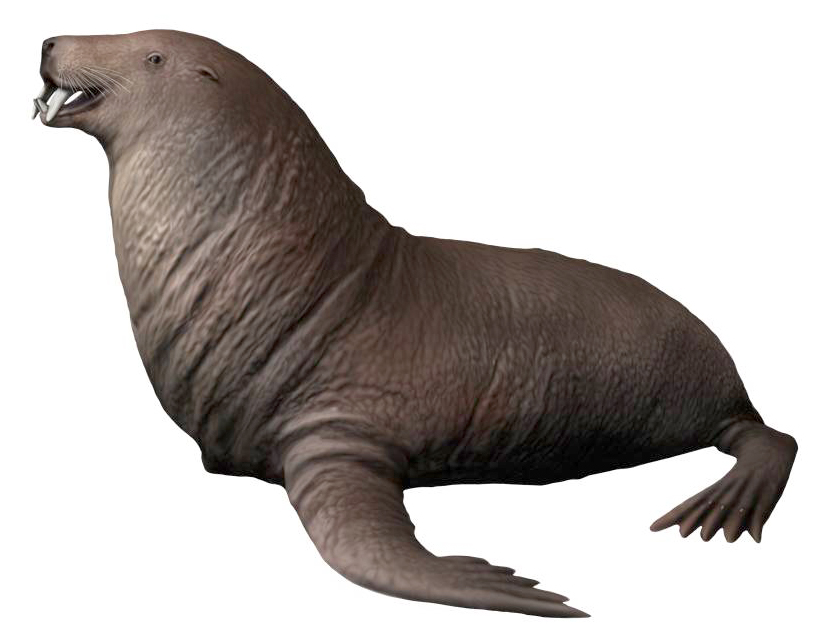
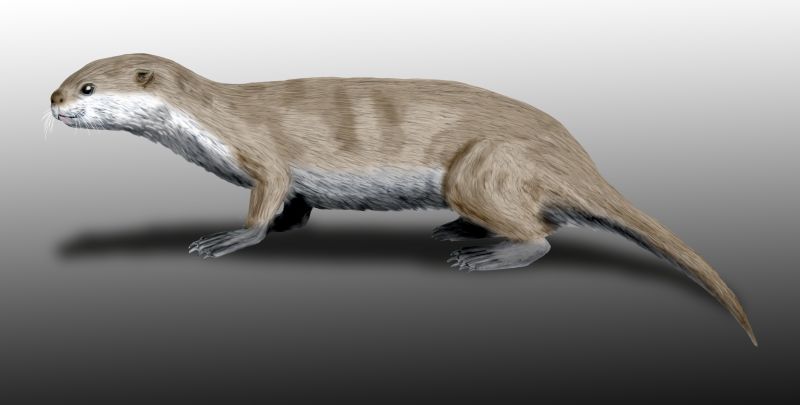
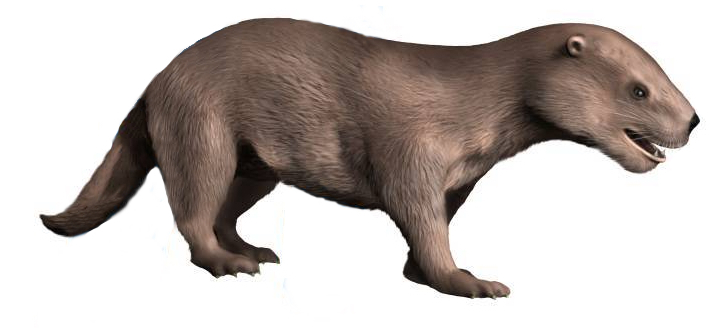
Otariids are carnivoran mammals in the suborder Caniformia. Modern classifications usually recognize about seven extant genera and roughly fifteen species, including well-known animals such as the California sea lion, Steller sea lion, and several species of fur seals. Fossil evidence and genetic studies are used to refine relationships within the family; the precise timing of otariid divergence from other pinnipeds continues to be studied.
Distribution and habitat
Eared seals occupy coastal waters and nearby islands in temperate to subpolar regions worldwide. Many species are concentrated in the Pacific Ocean and the Southern Ocean; others occur in the Atlantic and around subantarctic islands. They use terrestrial sites—rocky shores, beaches, and sometimes human-made structures—for resting, breeding, and molting.
Feeding and behavior
- Diets typically include fish, squid, and crustaceans; prey choice and foraging range vary by species and season.
- Foraging strategies range from shallow coastal hunting to deeper, longer dives in some species; dive depths and durations are species-specific.
- Eared seals are generally social animals that form breeding colonies. Courtship systems are often polygynous, with males defending territories or groups of females during the breeding season.
Reproduction
Breeding usually occurs at predictable colony sites. Females give birth to a single pup after a gestation period that includes delayed implantation; the length of maternal care and the timing of weaning vary across species. Pups are nursed on high-fat milk that supports rapid growth.
Conservation
The conservation status of otariid species ranges from relatively secure to threatened. Historically, some populations were reduced by commercial sealing; today, ongoing pressures include bycatch in fisheries, competition for fish resources, habitat disturbance, pollution, and the effects of climate change. Conservation measures include legal protection, fisheries management, protected areas, and rehabilitation programs for injured or orphaned animals.
Distinctive comparisons
- Versus true seals: otariids have external ears and greater mobility on land because their hind flippers can rotate forward.
- Versus walruses: walruses are much larger, lack external ears, and have distinctive tusks and different feeding habits.
Research on otariids covers ecology, population trends, physiology, and responses to environmental change. Because species differ in size, behavior, and habitat, conservation and management actions are tailored to local ecological and social conditions.
Related articles
Author
AlegsaOnline.com Otariidae — Eared Seals (Sea Lions and Fur Seals): Biology, Distribution, and Conservation Leandro Alegsa
URL: https://en.alegsaonline.com/art/29524