
Yale University: History, Campus, Academics, and Traditions
Overview of Yale University: its founding, growth into a comprehensive university, campus architecture and collections, academic organization, student life, notable alumni, and public impact.
Overview
Yale University is a private research university located in New Haven, Connecticut. Founded in the early 18th century, it is one of the oldest institutions of higher learning in the United States and a member of the Ivy League. Yale combines an undergraduate residential college system with a wide range of graduate and professional schools. The university is widely known for its library collections, museums, distinctive architecture, and a long record of influence in law, public service, the arts, and the sciences.
Image gallery
10 Images




Founding and early development
The institution began in 1701 as the Collegiate School, established by a group of Congregational ministers to train clergy and to prepare young men for leadership in church and civic life. In 1718 a British merchant and benefactor made a substantial gift of books and funds, and the school adopted his name. Over the 18th and 19th centuries the curriculum expanded beyond classical and theological subjects to include modern science, history, and professional training. As new faculties and professional schools were added, the institution evolved from a single college into a university supporting graduate study and research.
Academic structure and professional schools
Yale comprises a residential undergraduate college and multiple graduate and professional schools. These include well-known faculties for law, medicine, management, drama, music, nursing, the environment, and divinity, among others. Yale has been an important center for doctoral education and research; faculty and graduate students conduct work across humanities, social sciences, natural sciences, and engineering. Cross‑disciplinary centers and institutes foster collaboration among departments and with external partners.
Campus, architecture, and collections
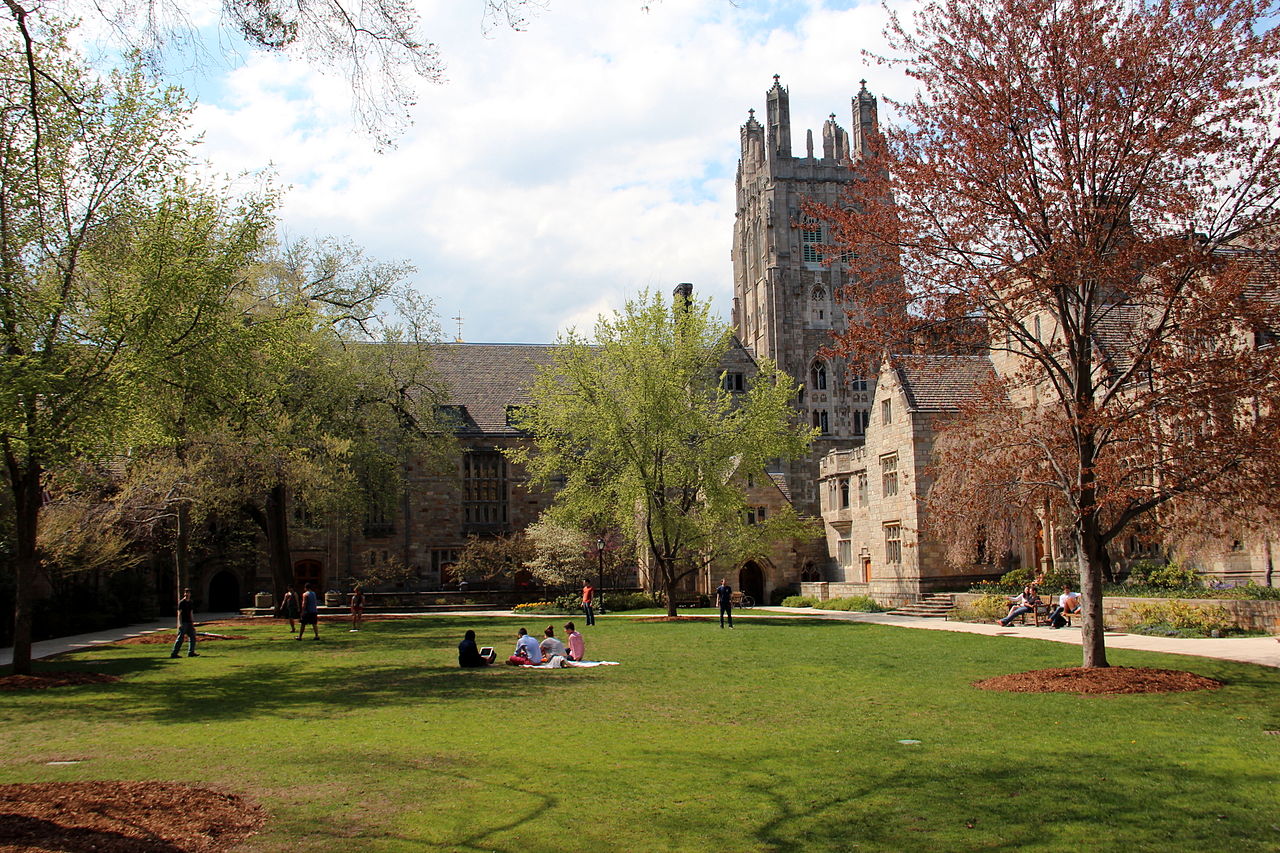
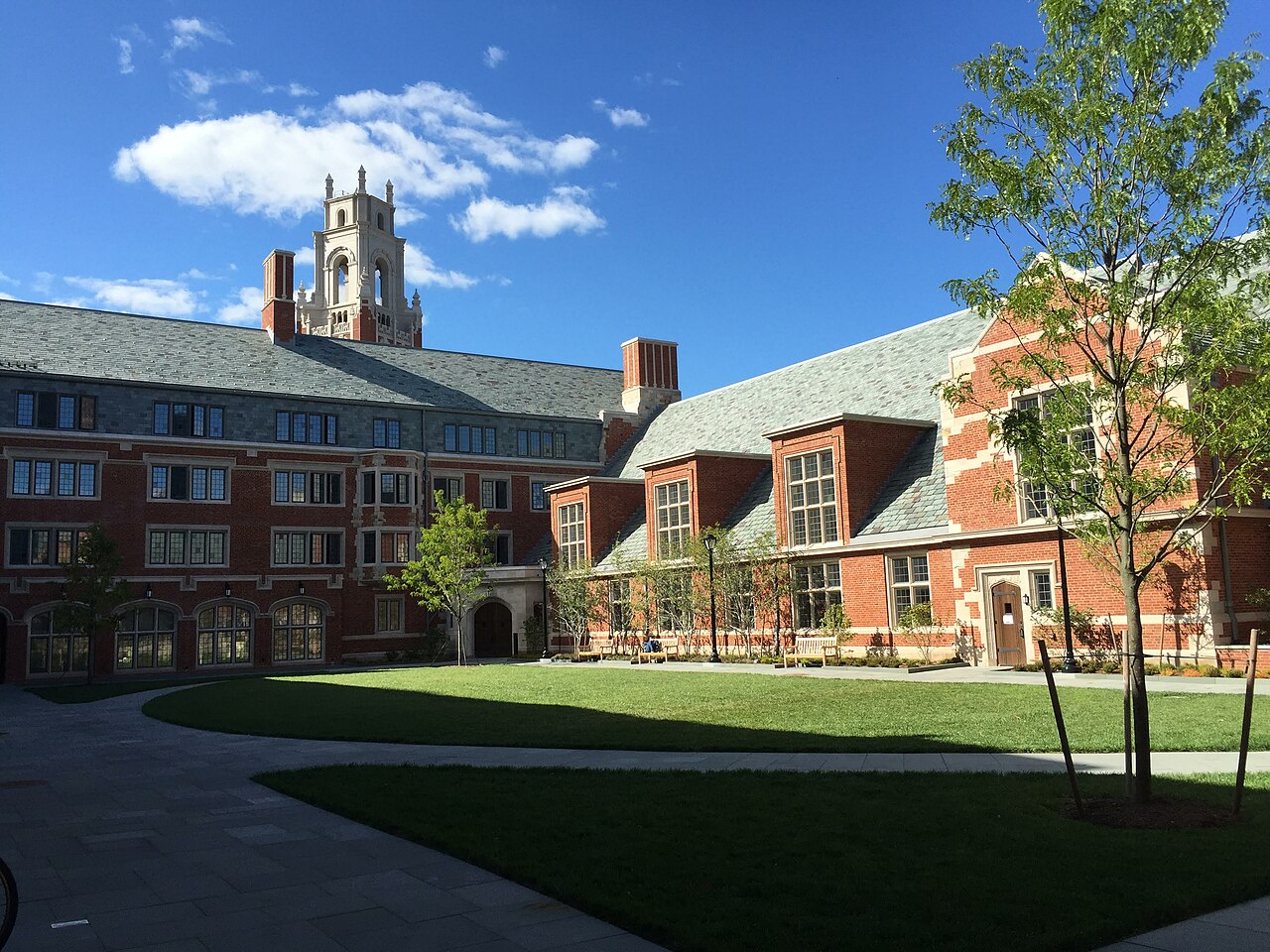
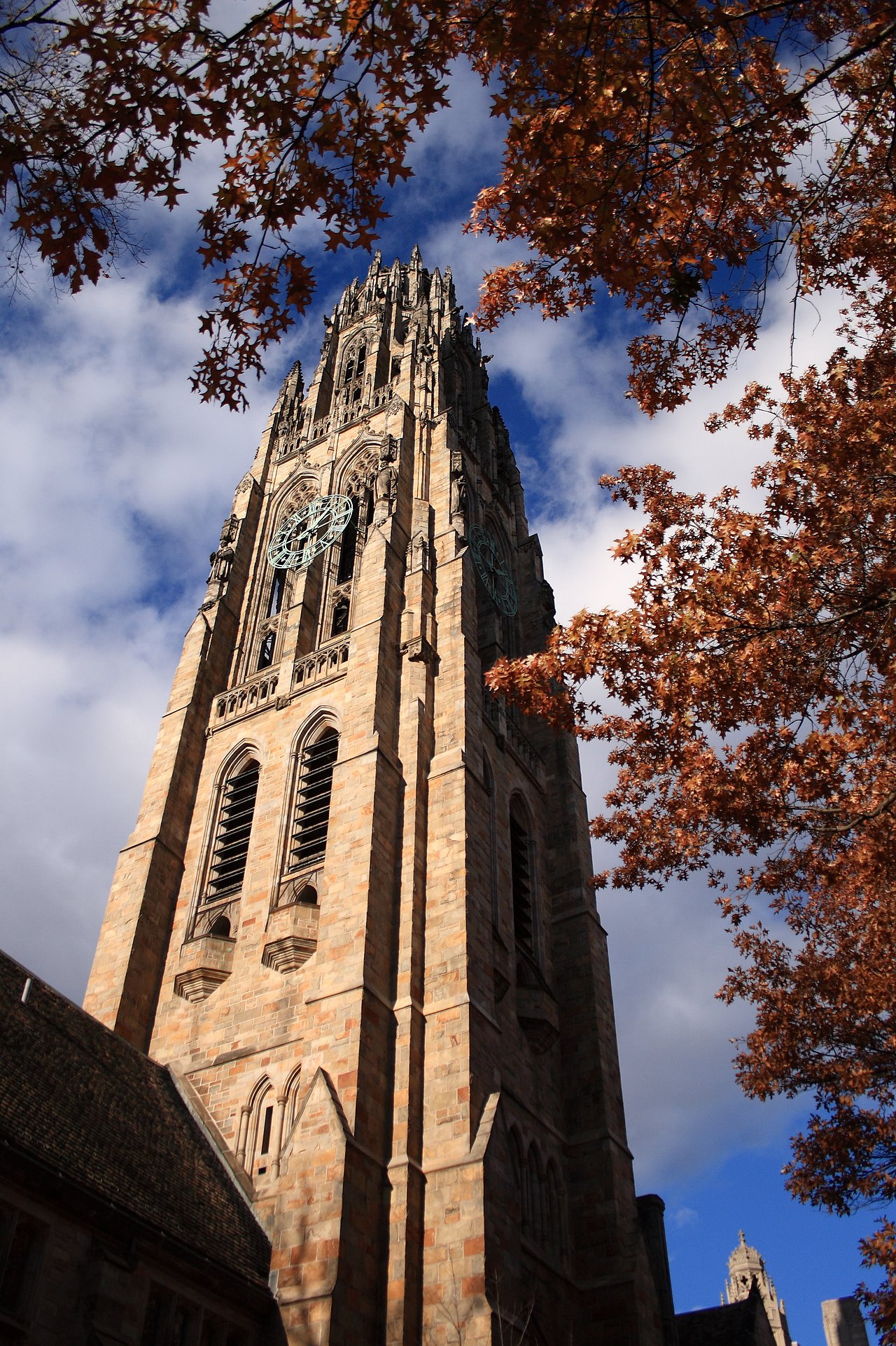
The main campus in New Haven features a range of architectural styles, with notable examples of Gothic Revival and Collegiate Gothic design intended to evoke older European models of higher education. Yale's library system ranks among the most extensive in the United States, encompassing many specialized collections and several major library buildings. One of the libraries is known for a large collection of rare books and manuscripts housed in a purpose-built structure. Yale also maintains important museums and galleries, including collections of fine art and natural history that are open to scholars and the public. Beyond academic facilities, the university owns recreational and conservation properties in the region.
Residential colleges and student life
Undergraduates live and study within a residential college system that creates smaller communities within the larger university. Each college has its own dining hall, common rooms, and social traditions; the college system is central to undergraduate social life and advising. Student activities encompass a wide spectrum: a cappella and choral groups, theatrical companies, student newspapers and literary magazines, public service organizations, and varsity and club athletics. The university's athletic teams are nicknamed the Bulldogs and compete in the Ivy League.
Research, honors, and notable alumni
Yale's faculty and alumni have made significant contributions across many fields. More than fifty Nobel Prize winners, along with many recipients of other major international and national honors, have been associated with the university as students, faculty, or researchers. Yale's alumni network includes leaders in government, law, business, science, journalism, and the arts, ranging from national political figures and judges to prominent writers, actors, inventors, and corporate executives. The university's influence extends through its graduates' roles in public life and through scholarly and creative work produced on campus.
Traditions, symbols, and governance
Yale has long-standing campus traditions and symbols that contribute to institutional identity, including a school color and a mascot bulldog. Rituals, annual events, and the life of the residential colleges help sustain a sense of continuity even as the student body becomes more diverse and the curriculum adapts to new fields of knowledge. The university is governed by a board of trustees and overseen by a president and senior administration; leadership and policies evolve as the institution addresses academic priorities, financial stewardship, and public engagement.
Access, outreach, and public engagement
Yale engages with the local community in New Haven and with partners worldwide through research collaborations, cultural programming, and outreach initiatives. Admissions and financial aid policies are important aspects of the university's efforts to attract a diverse student body; Yale has longstanding programs to support student research, internships, and public service. The university also makes many of its cultural and educational resources available to the public through exhibitions, lectures, and digital programs.
Further reading and resources
The following links point to authoritative sources for more information on Yale's history, academic units, collections, student life, and administration. They are provided as reference placeholders for exploration.
- General institutional overview and facts
- New Haven: city and community relations
- Connecticut context and state resources
- Ivy League association and athletics
- Religious origins and early curriculum
- Historical benefactors and early donors
- Undergraduate college and residential system
- Medical education and research programs
- Law School and legal scholarship
- School of Music and performance programs
- School of Drama and theatrical training
- Management education and the School of Management
- Major library buildings and architectural highlights
- Rare books and manuscript collections
- Architectural styles and campus planning
- Historical models and European influences
- Comparative references to Oxford
- Comparative references to Cambridge
- Natural history collections and museums
- Athletic facilities and recreational properties
- Forestry, conservation, and field stations
- Faculty research and prize-winning scholarship
- Notable political alumni and public servants
- Presidents and national leaders among alumni
- Prominent policymakers and diplomats
- Artists, performers, and creative alumni
- Actors and theatrical alumni
- Inventors and innovators connected to the university
- Early technical contributors and their legacies
- Journalists and media figures among alumni
- Broadcast personalities and graduates
- Pioneers in computing and related fields
- School colors, mascots, and symbols
- Leadership, administration, and governance
- Contemporary administration and institutional priorities
Related articles
Author
AlegsaOnline.com Yale University: History, Campus, Academics, and Traditions Leandro Alegsa
URL: https://en.alegsaonline.com/art/109570
Sources
- commons.wikimedia.org : Yale University
- dailybulletin.yale.edu : "Investment Return of 21.9% Brings Yale Endowment Value to $19.4 Billion"
- yale.edu : "Yale Facts | Yale"
- yale.edu : Yale University - Identity Guidelines
- yalealumnimagazine.com : "The Ten Greatest Yalies Who Never Were"