
Golf course: design, parts, history and play
An overview of golf courses covering layout, key areas (tee, fairway, green, hazards), historical development, types of courses, play format and environmental considerations.
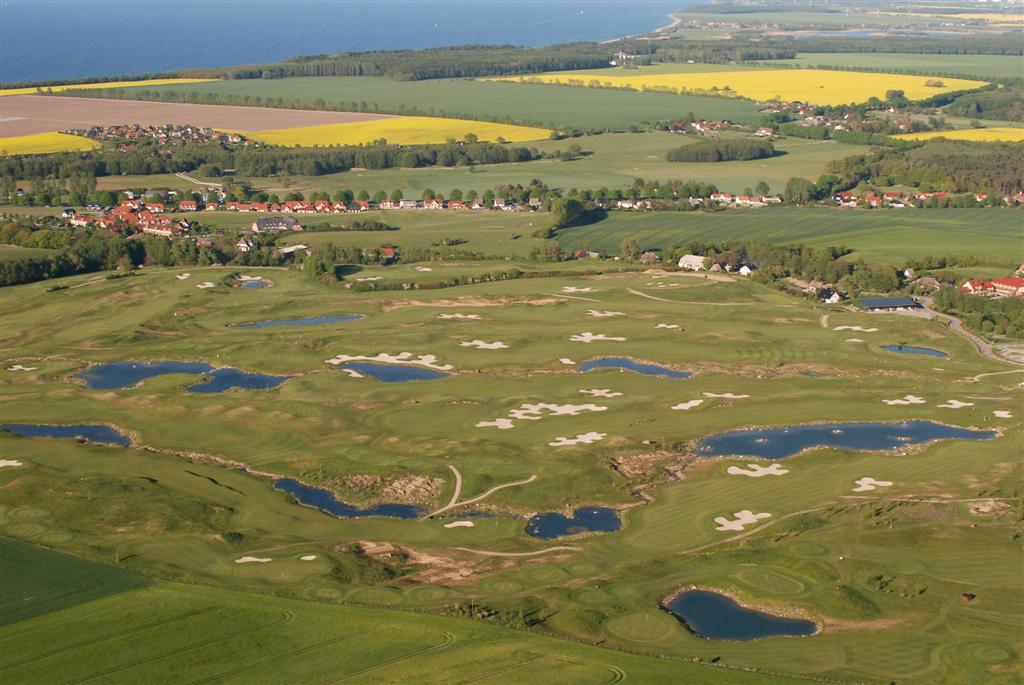
A golf course is the specially prepared landscape where the sport of golf is played. It consists of a sequence of holes that together form a round, most commonly eighteen, although nine-hole and other shorter courses also exist. Each hole provides a defined playing area and a target: the cup in the putting green. The physical design of a course, its vegetation and its hazards shape how the game is played and the variety of strategies players use.
Image gallery
10 Images





Key components of a hole
Every hole on a golf course generally includes several distinct areas. These are maintained and mown to different heights and presented to create challenge and visual interest:
- Teeing area: a flat or slightly elevated patch where play for the hole begins. Many courses provide multiple tee boxes to adjust length and difficulty.
- Fairway: the central strip between tee and green with shorter grass to enable clean long shots.
- Rough: longer grass bordering fairways that penalizes inaccurate shots.
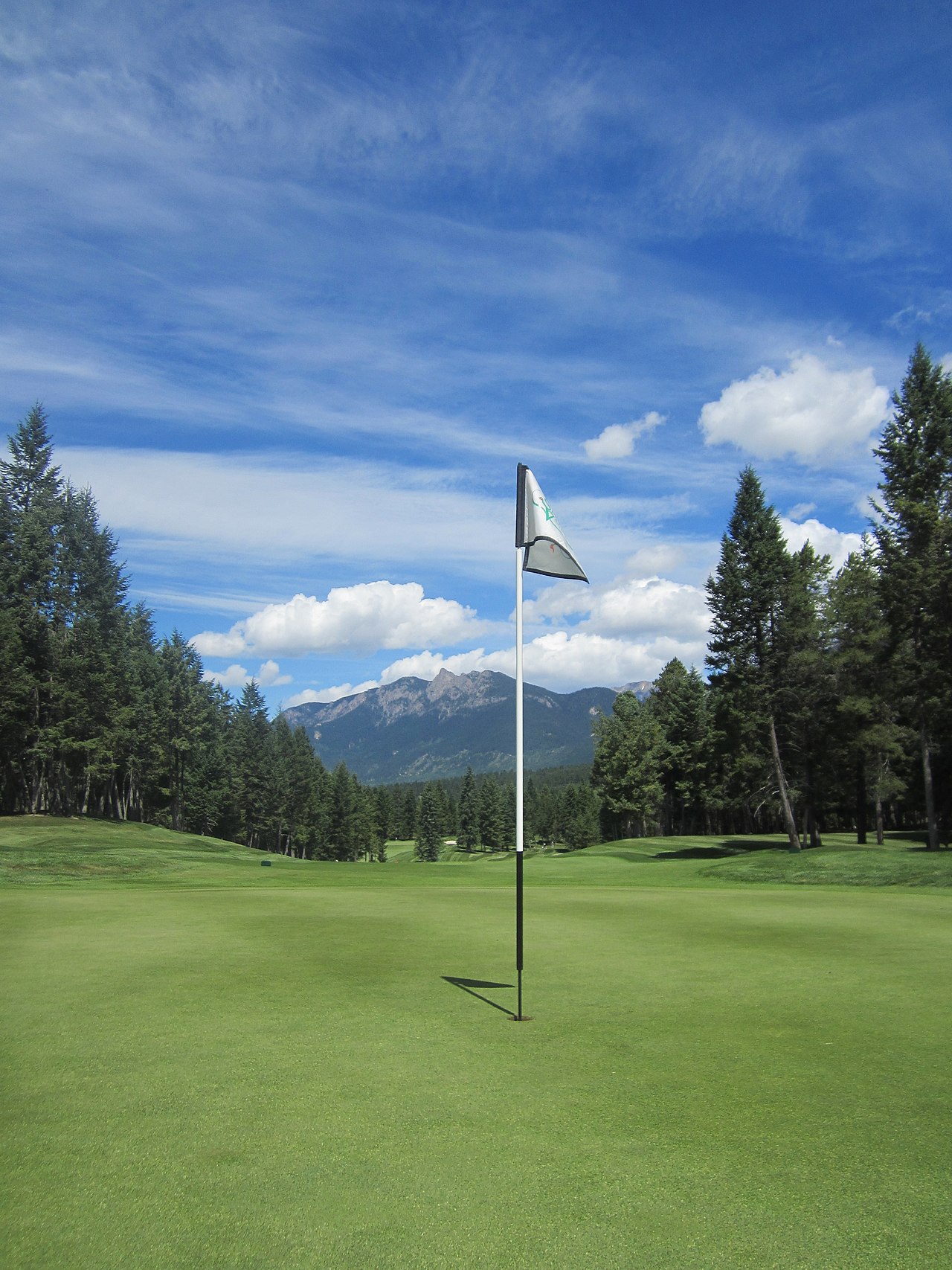
- Green (putting green): a closely mown area surrounding the cup, where putting takes place; the cup's diameter is standardized at 4¼ inches (108 mm).
- Hazards: designed obstacles such as bunkers (sand), water features and dense vegetation that increase the hole's challenge.
Layout, par and play
Holes have an assigned par, a number of strokes considered standard for an expert player to complete the hole. Typical pars are par‑3, par‑4 and par‑5, determined largely by length and expected difficulty. A standard round comprises eighteen holes and a full course is normally laid out to accommodate that sequence; some venues use nine holes that players complete twice to make an eighteen‑hole round. Course routing, tee placement and green locations together affect strategy, shot selection and pacing through a round.
History and types
Modern golf courses trace their origins to linksland in Scotland, where natural dunes and coastal terrain formed the earliest layouts. Over time, course design evolved into distinct styles: links (coastal, firm turf, often windy), parkland (inland, tree‑lined and lush), heathland (sandy, shrubby), desert and seaside variants. The 18‑hole round became widely accepted as the standard after influential early courses set that pattern, and architects and clubs refined construction techniques, turf management and strategic design through the 19th and 20th centuries.
Uses, management and environmental aspects
Beyond sport, courses serve social and economic roles—hosting tournaments, supporting tourism and providing open green space. They require substantial maintenance: mowing regimes, irrigation, pest management and seasonal renovations. These needs raise environmental considerations such as water use, chemical inputs and habitat impacts. In response, many courses adopt conservation practices, native planting, water recycling and wildlife‑friendly management to reduce ecological footprint.
Variety and notable distinctions
Courses vary widely in length, difficulty and character. Championship venues typically present longer yardages and challenging hazards for elite competition, while municipal and par‑3 courses prioritize accessibility and faster play. Recent trends include shorter urban and executive courses, artificial turf practice areas, and course designs that emphasize environmental sustainability and community use. Regardless of type, the interplay of terrain, vegetation and design defines each course's identity and the experience it offers golfers.
Related articles
Author
AlegsaOnline.com Golf course: design, parts, history and play Leandro Alegsa
URL: https://en.alegsaonline.com/art/39543
Sources
- scottishgolfhistory.org : "18 Hole Round"