
Yeshiva — Jewish institution for Torah and Talmud study
A yeshiva is a Jewish educational institution focused on intensive study of Torah and Talmud, employing paired study and lectures; it has historical roots in rabbinic academies and modern variants (kollel, Hesder, midrasha).
Overview
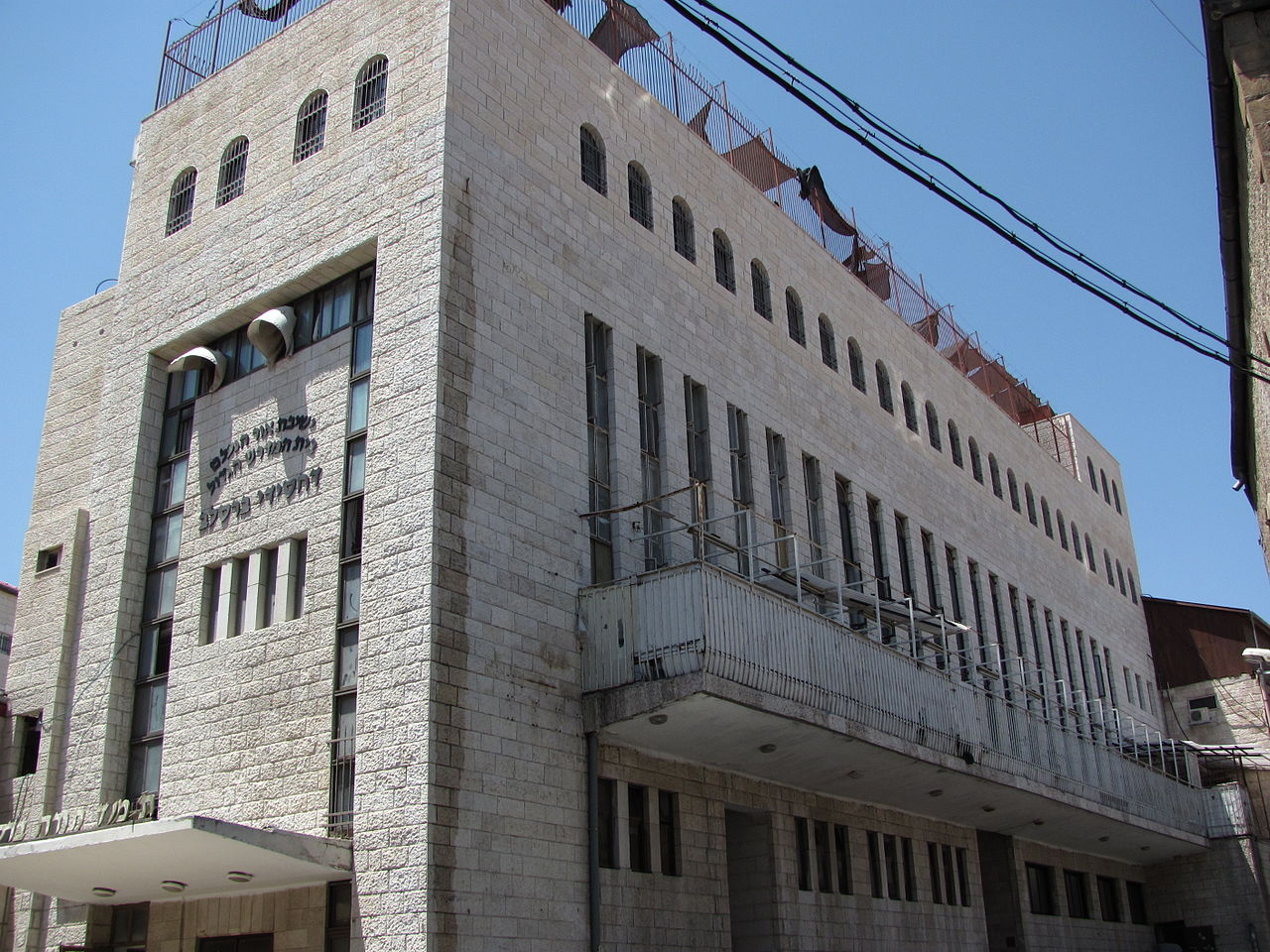
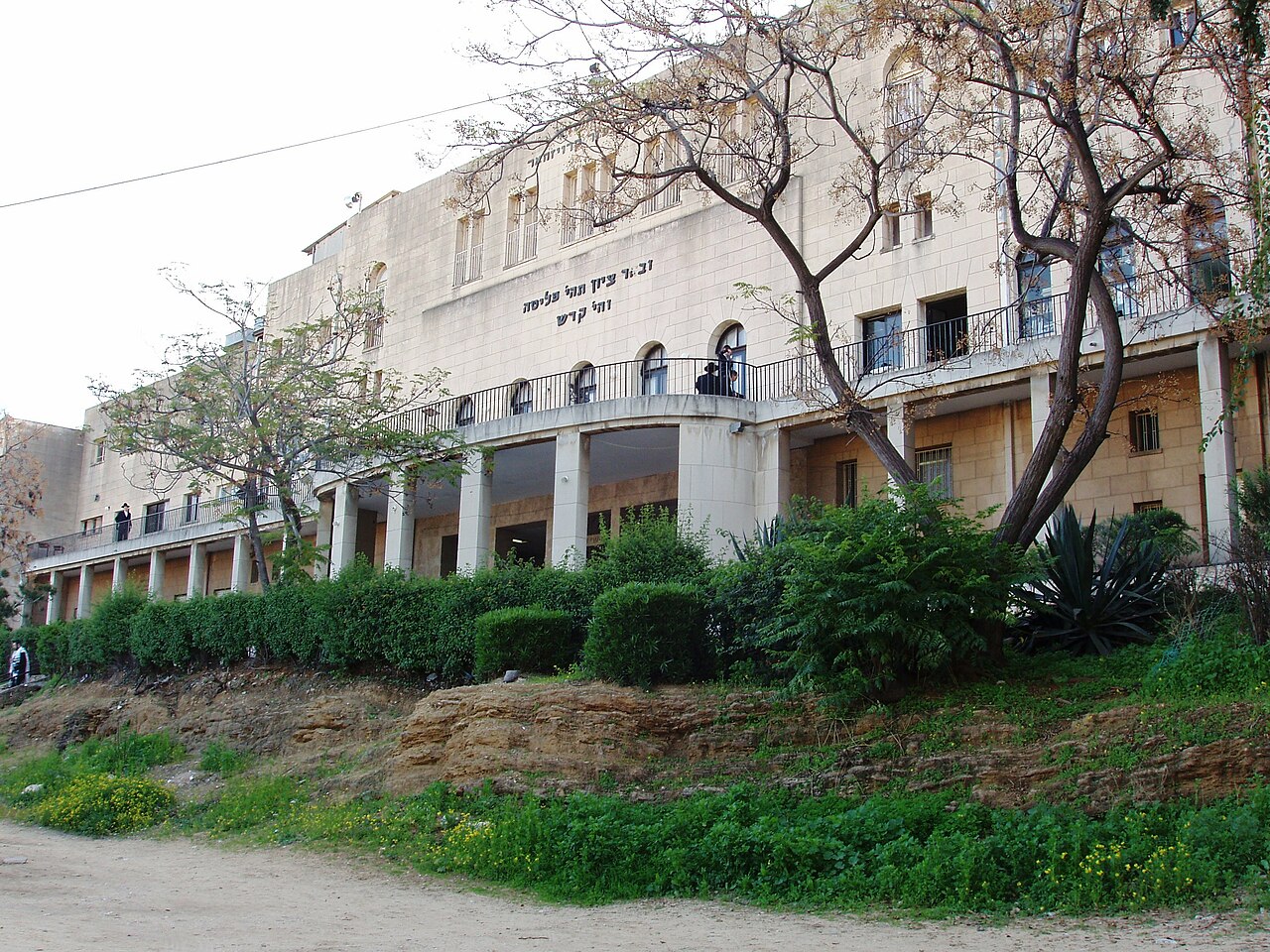
A yeshiva is a traditional Jewish institution devoted to advanced religious learning. Its primary focus is the study of the Hebrew Bible and rabbinic literature, especially the Torah and the Talmud. Yeshivot (plural) emphasize textual analysis, legal reasoning, and ethical discussion rather than a broad secular curriculum.
Image gallery
10 Images






Structure and study methods
Most yeshivas center around a beit midrash (study hall) where students attend shiurim (lectures) and engage in chevruta study—pairing up to analyze texts and debate interpretations. Leadership usually includes a rosh yeshiva (head), maggidei shiur (teachers), and advanced students who lead study groups. Emphasis is placed on close reading, argumentation, and mastery of classical commentaries.
History and development
The yeshiva tradition traces back to early rabbinic academies in Babylonia and evolved through medieval and early modern Jewish communities. Over centuries the model adapted to local conditions; in Eastern Europe it became a central institution for producing rabbis and scholars, while modern movements have introduced new arrangements and curricular balances.
Types and contemporary forms
- Yeshiva ketana/gdola: secondary and post‑secondary programs for younger and older students.
- Kollel: an institute for married students focusing on full‑time Torah study.
- Midrasha: institutions oriented toward women's advanced study.
- Specialized programs: Hesder (combining study with military service in some countries) and modern Orthodox yeshivot that include secular subjects.
Role and significance
Beyond classroom learning, yeshivot serve as centers of communal leadership, rabbinic training, and cultural continuity. They produce teachers, decisors of Jewish law, and community leaders, and they preserve methods of textual study at the heart of rabbinic tradition.
Distinguishing features
Key distinctions of a yeshiva are its focus on primary texts, the chevruta method, and a curriculum oriented to halakhic (legal) and Talmudic competence rather than general academic degrees. While some institutions now grant formal qualifications, the defining characteristic remains intensive, text‑centered study.
Related articles
Author
AlegsaOnline.com Yeshiva — Jewish institution for Torah and Talmud study Leandro Alegsa
URL: https://en.alegsaonline.com/art/109818