
Medicine: principles, practice, and major branches
Medicine is the science and practice of preventing, diagnosing and treating disease in people and animals. This article outlines key roles, specialties, history, and public-health importance.
Overview
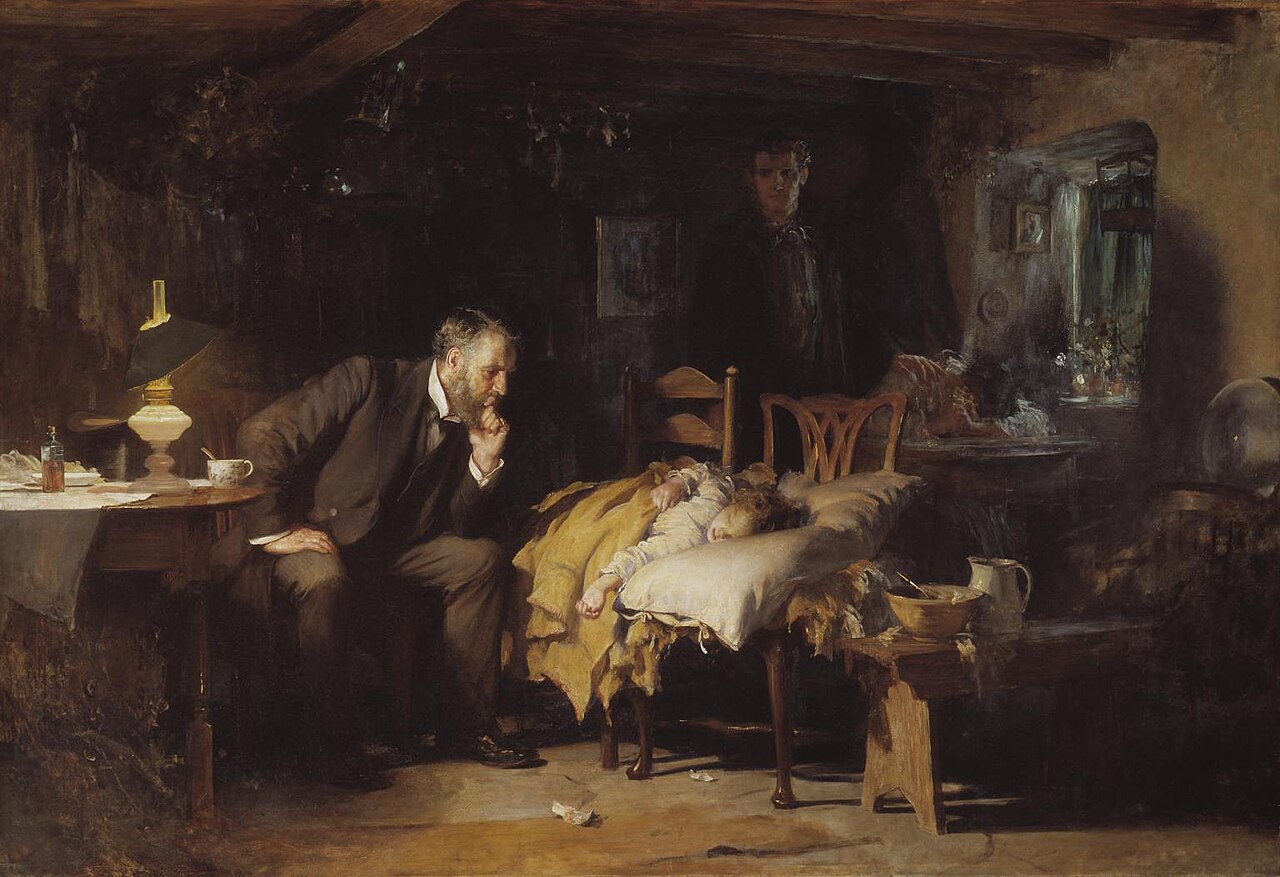
Medicine is the organized practice and science that addresses diseases and disorders, aiming to prevent illness, restore health, and relieve suffering in humans and, where relevant, in animals. It combines biological knowledge, clinical skills, and ethical judgment to make decisions about care. Clinical medicine focuses on individual patients, while related fields such as public health concentrate on populations.
Image gallery
10 Images




Core roles and team members
People who deliver medical care include medical doctors (physicians), but effective practice depends on teams. Common participants are:
- Physicians — primary care and specialists who evaluate, diagnose and manage patients.
- Nurses — provide continuous bedside care, patient education, and coordination; see nurses.
- Allied health professionals — laboratory scientists, radiographers, therapists, and pharmacists.
- Support staff — administrators and community health workers who enable service delivery.
Branches and specialties
Medicine is divided into many specialties that focus on body systems, patient groups, or methods of care. Examples include internal medicine, surgery, obstetrics and gynecology, psychiatry, and pediatrics, the branch caring for infants, children and adolescents. The term specialty indicates a clinician's concentrated training and scope of practice.
History and development
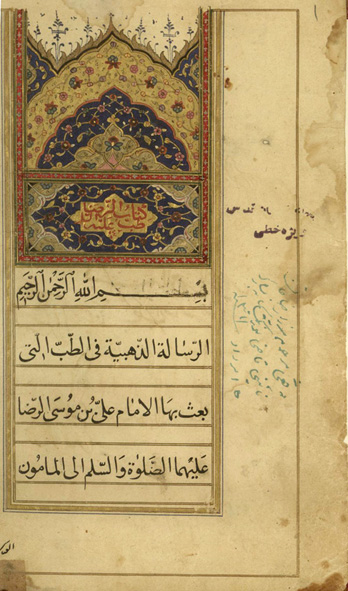
Over centuries, medicine evolved from traditional remedies to methods grounded in scientific investigation. Key developments included understanding infection and sterile technique, the introduction of vaccines and antimicrobial drugs, improved diagnostic imaging, and the rise of evidence-based approaches that test treatments with rigorous studies.
Uses, importance, and distinctions
Medicine serves to diagnose illness, provide acute and chronic care, deliver preventive services such as immunization and screening, and support rehabilitation. It overlaps with but differs from public health, veterinary medicine, and complementary therapies by its focus, methods, and regulatory frameworks. Modern healthcare increasingly emphasizes team-based care, patient safety, and equitable access.
Notable considerations
Practice of medicine is shaped by ethics, regulation, and continuing research. Emerging areas include personalized medicine, digital health, and global health initiatives that seek to reduce disease burden worldwide while preserving professional standards and patient rights.
Related articles
Author
AlegsaOnline.com Medicine: principles, practice, and major branches Leandro Alegsa
URL: https://en.alegsaonline.com/art/63429