
University of Cambridge
Historic collegiate university in Cambridge, England, founded c.1209. Renowned for research, a distinctive college system, notable alumni and many Nobel laureates; consistently ranked among the world's top universities.
The University of Cambridge is a collegiate research university located in the city of Cambridge, England. Established by scholars in the early 13th century, it is often described as one of the oldest centres of higher learning in the English-speaking world and is frequently cited as the second-oldest university in that tradition. Cambridge enjoys a global reputation for academic excellence and sustained high placement in international rankings rankings.
Image gallery
10 Images
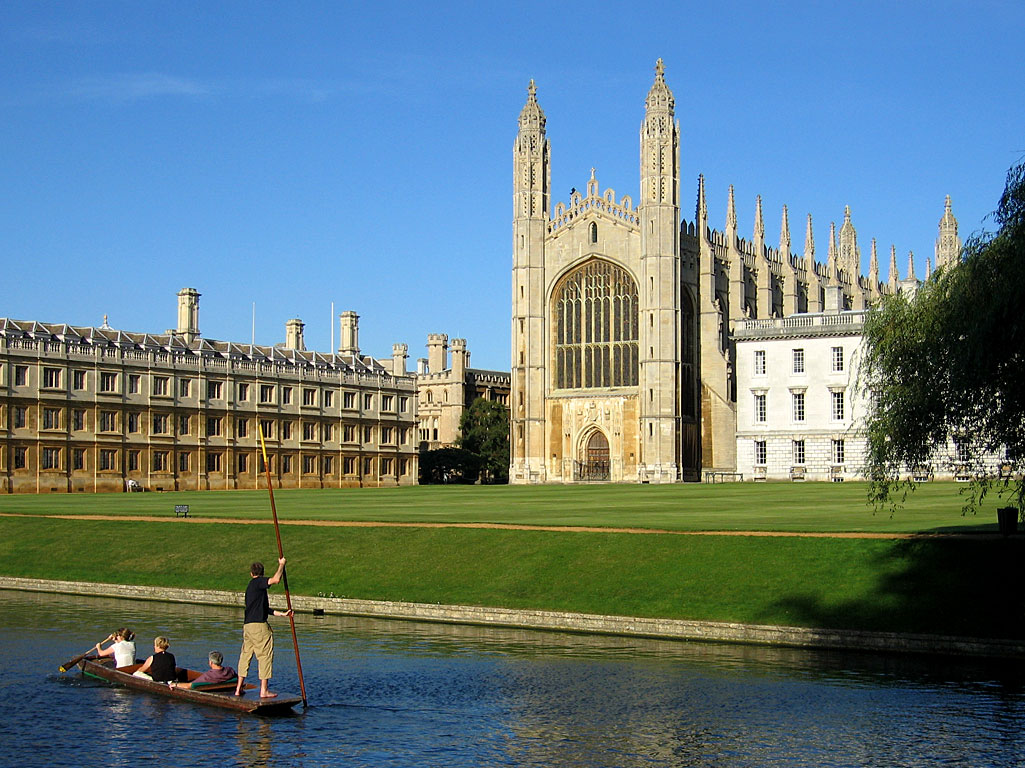


Structure and academic life
The university is organised around a federation of more than thirty autonomous colleges and a central administration responsible for teaching and research. Colleges provide accommodation, pastoral care and small-group teaching, while departments and faculties run lectures, laboratories and examinations, including the distinctive Tripos system. Undergraduates typically receive intensive small-group tuition called "supervisions" or "supervs" in which tutors work closely with students on set topics and essays.
History and development
Cambridge grew from a community of scholars who, by some accounts, left Oxford after disturbances around 1209 and established a new centre of study. Over the centuries the university expanded its colleges, faculties and scientific facilities, becoming intertwined with the intellectual and political life of Britain. The pair of institutions, Cambridge and Oxford, are commonly referred to together as Oxbridge, a shorthand reflecting their shared history and role in British education.
Contributions and notable people
Cambridge has been associated with breakthroughs across science, mathematics, literature and public life. It has educated and employed many leading figures — from pioneering scientists to influential artists and politicians. The university community includes a large number of Nobel laureates and other award winners; historically the list of affiliates honoured for major contributions to knowledge is extensive and continues to grow Nobel Prize.
Reputation, research and impact
Cambridge is recognised for strong research output in fields such as the natural sciences, engineering, the humanities and social sciences. The city and university have also supported a vibrant technology and business ecosystem, often dubbed "Silicon Fen", where academic research has translated into start-ups and commercial innovation. Beyond research, Cambridge plays a role in cultural life, policy debate and international academic exchange.
Practical information and distinctions
- Collegiate system: student life is organised around individual colleges providing teaching and accommodation.
- Assessment: undergraduates typically sit Tripos exams at the end of each course stage and are taught in small-group supervisions.
- Global standing: the university consistently ranks among the world's top institutions for education and research rankings.
For more specific descriptions of colleges, courses and admissions procedures consult college websites and official university sources Cambridge city information or the university's central pages England resources. Historic ties to other institutions and the long list of distinguished alumni illustrate Cambridge's lasting influence on science, culture and public life.
Questions and answers
Q: What is the University of Cambridge?
A: The University of Cambridge is a university located in Cambridge, England. It is the second-oldest university in all English-speaking countries and one of the world's leading places of learning.
Q: When did it start?
A: The University may have started as a group of scholars in the city of Cambridge around 1209 when scholars left Oxford after a fight with local people.
Q: What does Oxbridge mean?
A: Oxbridge is not a different university; it is simply a way to refer to both Oxford and Cambridge Universities together.
Q: How highly ranked is Cambridge University?
A: Cambridge usually ranks within the top five universities worldwide, and UK rankings and tests on the quality of its research rate it very highly.
Q: How many students attend the University?
A: The University has more than 18,000 students enrolled.
A:What activities are available for students at the University? Q:Students at the University have access to various sports clubs and societies as well as other activities.
Q: Who are some notable alumni from Cambridge?
A: Notable alumni from Cambridge include scientists, poets, artists, politicians and members of the British Royal Family. 121 former students and staff from Cambridge later won a Nobel Prize.
Related articles
Author
AlegsaOnline.com University of Cambridge Leandro Alegsa
URL: https://en.alegsaonline.com/art/103224