
Mascot: definition, forms, history and uses
A mascot is a person, animal, or object used as a symbol, good-luck charm, or promotional figure for teams, schools, companies, and brands.
A mascot is a symbolic figure—often a person, animal, or inanimate object—adopted to represent, promote or bring good fortune to a group. Mascots appear in many contexts: educational institutions, professional and amateur sports teams, commercial brands, community events, and cultural ceremonies. Their purpose ranges from rallying fans and establishing identity to acting as a marketing icon or a ceremonial talisman.
Image gallery
10 Images


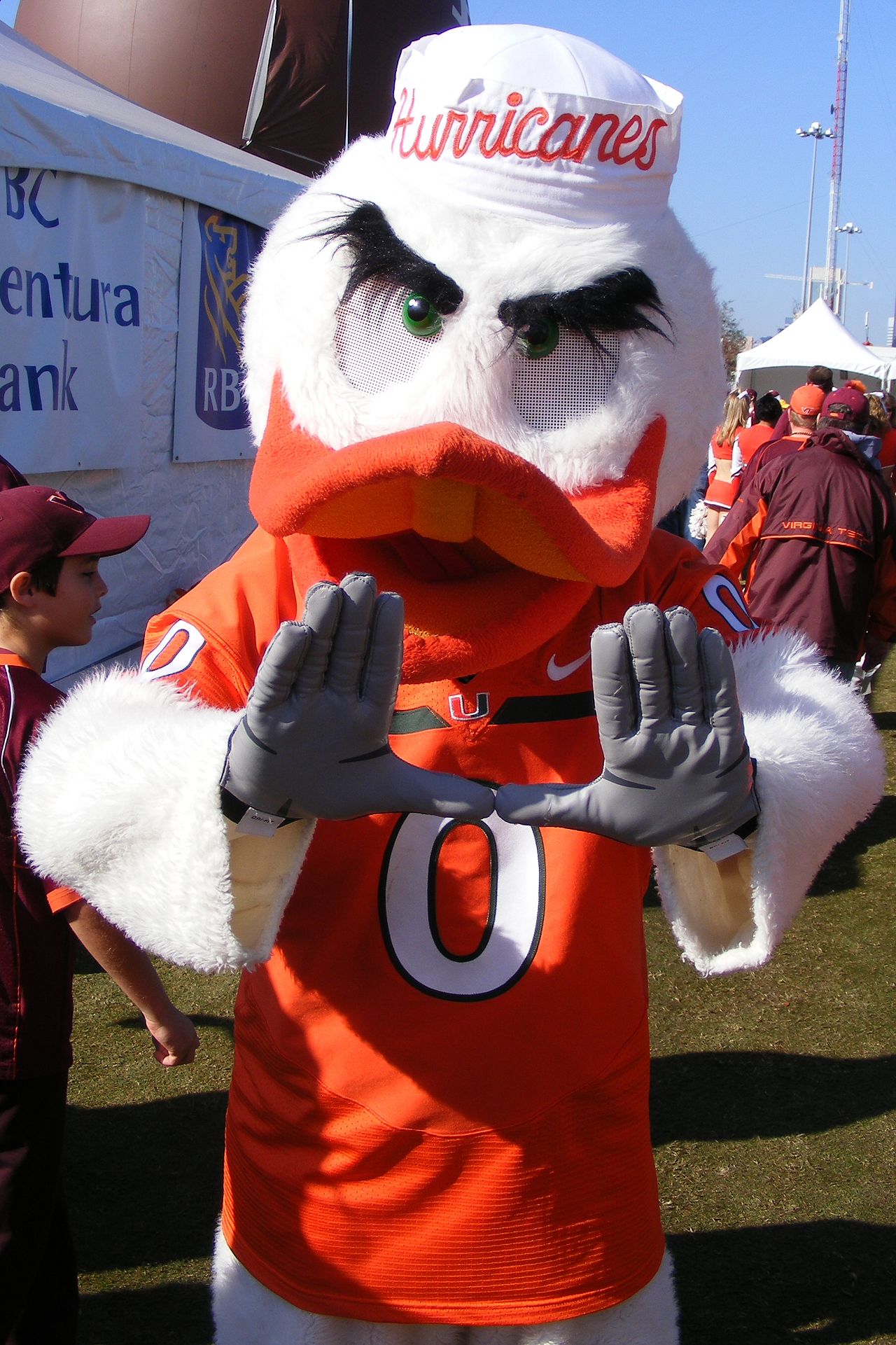

Forms and design
Mascots take many shapes. Some are human characters or costumed performers who interact with audiences; others are stylized animals or creatures. Objects and abstract figures can also serve as mascots when they embody a brand or idea. Designers consider recognizability, personality, and adaptability across media when creating a mascot. A mascot can be presented as an illustration, a physical costume, a digital avatar, or a voice-over character.
Characteristics and typical roles
- Symbolic identity — embodies values or history of the organization.
- Entertainment — performs at events, engages crowds, and boosts morale.
- Marketing and recognition — appears in ads, merchandising, and social media.
- Ceremonial or lucky charm — thought by some to bring success or good fortune.
Examples of basic types include an animal mascot, a personified athlete, or an object mascot. The idea of a mascot as something that brings luck still informs many traditions.
History and cultural role
The use of emblematic figures to represent groups is ancient and widespread: tribes, regiments and craft guilds historically used banners, totems and figures to signal affiliation. In modern times mascots became prominent with the growth of organized sports and mass advertising. Schools and clubs adopted mascots to build spirit; companies began creating mascots to humanize products and increase recall.
Uses, examples and notable facts
Mascots serve practical and symbolic functions. They help unify supporters, make events more engaging, and provide a friendly face for promotional campaigns. Some mascots have become cultural icons beyond their original context; they may appear on merchandise, in televised advertising, or in charity work. Common contemporary examples include team mascots and corporate spokesfigures: many professional teams and colleges maintain costumed characters, while brands craft animated or live mascots for ads and packaging. For instance, a major sports franchise is represented by a lion in some media—see the Sacramento Kings’ mascot as a representative case—while a well-known insurance company uses a small reptile as its advertising persona, often cited as the Geico gecko. Corporate entities frequently employ mascots to strengthen brand identity and recall, a practice highlighted in discussions of corporate mascots.
When choosing or changing a mascot organizations weigh tradition, inclusivity, commercial potential and cultural sensitivity. Debates can arise about appropriateness, stereotyping, or trademark issues, so modern mascot programs often involve consultation with stakeholders and designers. Well-crafted mascots endure because they combine visual appeal, clear symbolism, and the ability to connect emotionally with their audience.
Related articles
Author
AlegsaOnline.com Mascot: definition, forms, history and uses Leandro Alegsa
URL: https://en.alegsaonline.com/art/62613