
Music: An Overview of Sound, Structure, and Cultural Roles
A concise, structured introduction to music: definitions, core elements, instruments, history and cultural importance, with examples and distinctions for general readers.
Music is the organized use of sound across time to create patterns that people perceive as expressive, pleasing, moving or meaningful. It is widely classified as a kind of art, and it also functions as a form of entertainment and social activity: many pieces encourage listening, participation or dance. Music may be notated, improvised or recorded, and spans solo vocal work to large ensembles.
Image gallery
10 Images






Core elements and common terms
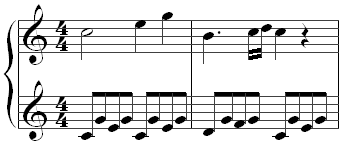
At its simplest, music is built from several interlocking elements. Melody is the sequence of pitches perceived as a single line; harmony is the vertical combination of tones; rhythm organizes durations and accents; timbre distinguishes instruments and voices; and musical form shapes sections into a larger whole. These elements combine differently across styles, producing distinct textures and expressive effects.
Instruments and performance
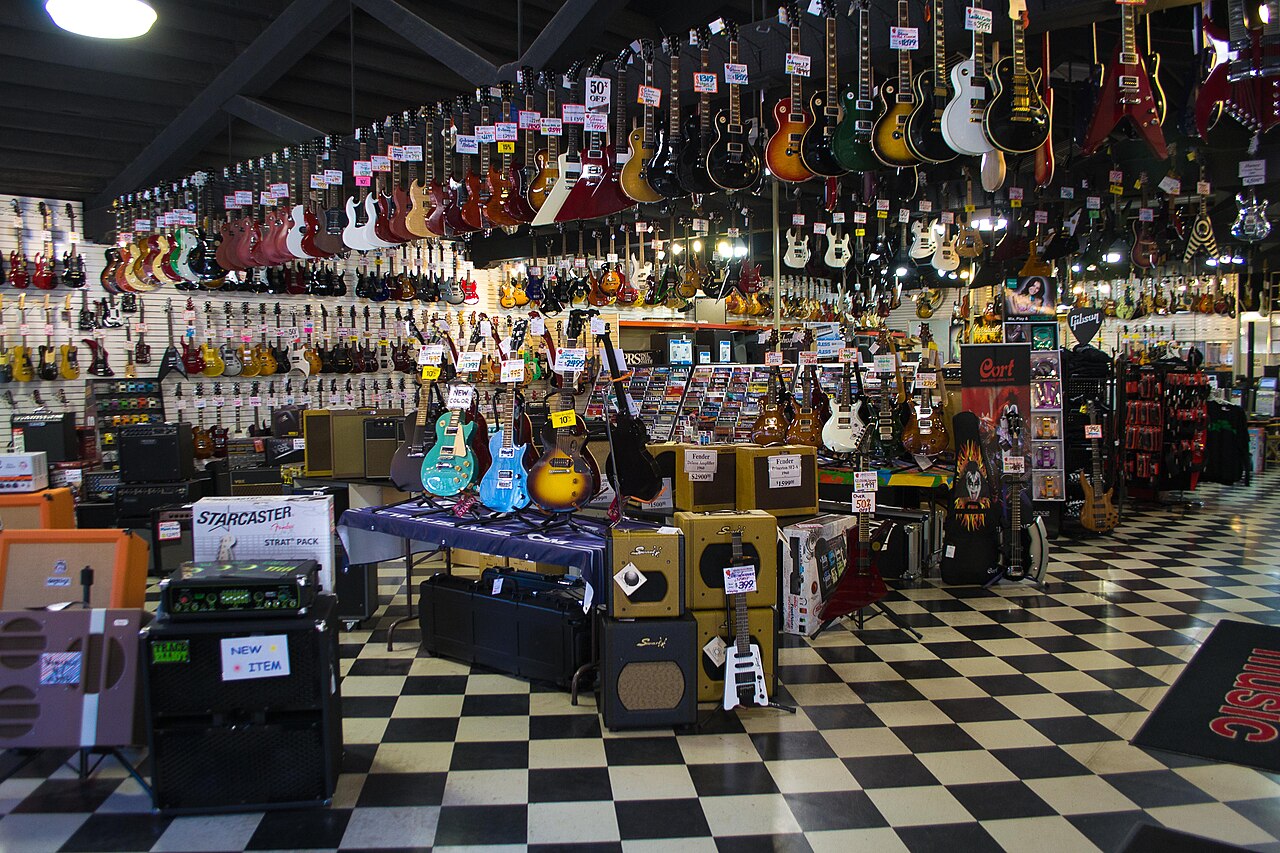
Most musical traditions use the human voice as a primary instrument; singing and vocal techniques vary widely (singing). Instrumental practice includes many classes of devices: strings, winds, percussion and keyboards. Examples familiar in many cultures are the piano, guitar, drums and violin, but local and folk instruments are equally central. The general term for tools used to make sound is musical instruments.
History and origins
The word "music" derives from the ancient Greek term mousikē, literally the craft or art associated with the Muses. In Ancient Greece the Muses were mythic figures connected to song, poetry and goddesses of cultural creation. Musical activity, however, predates recorded history and appears in archaeological, literary and ethnographic evidence worldwide. Styles developed independently in different regions while also influencing one another through trade and contact.
Functions, genres and practitioners
Music serves many social and personal roles: ritual, celebration, storytelling, entertainment, identity formation and emotional expression. Genres—classical, folk, jazz, pop, electronic and countless regional forms—reflect combinations of technique, instrumentation and cultural context. Those who create, perform or study music are commonly called a musician, a term that covers composers, performers, improvisers and scholars.
Notable distinctions and contemporary notes
- Traditions differ in tuning systems, notation and approaches to improvisation.
- Technology has reshaped music: recording, electronic instruments and distribution changed how music is made and heard.
- Studying music combines analysis of structure with attention to cultural meaning and performance practice.
Because music intersects art, technology and society, it remains a rich subject for study and daily life: from private listening and communal rituals to global popular cultures, its forms continue to evolve while remaining rooted in basic elements of sound and time.
Questions and answers
Q: What is music?
A: Music is a form of art that uses sound organised in time. It is also a form of entertainment that puts sounds together in a way that people like, find interesting or dance to.
Q: What instruments are often used to make music?
A: Common instruments used to make music include the piano, guitar, drums and violin.
Q: Where does the word 'music' come from?
A: The word 'music' comes from the Greek word (mousike), which means "(art) of the Muses".
Q: Who are the Muses?
A: In Ancient Greece, the Muses were goddesses of music, poetry, art and dance.
Q: Who makes music?
A: Someone who makes music is known as a musician.
Q: Is there any other type of entertainment related to music?
A: Yes - some forms of musical entertainment involve singing with one's voice or playing an instrument such as a piano or guitar.
Tags
Related articles
Author
AlegsaOnline.com Music: An Overview of Sound, Structure, and Cultural Roles Leandro Alegsa
URL: https://en.alegsaonline.com/art/127323