
Natural history: study of organisms, environments, and field practice
Natural history is the observational study of plants, animals, geology and ecosystems in their natural settings, emphasizing field observation, collecting, classification, and the historical development of the discipline.
Natural history is the descriptive, observational study of living organisms and their surroundings. It covers plants, animals, fungi and microbes together with the physical settings they occupy, including soils, rocks and broader geological context. Rather than relying primarily on controlled experiments, natural history emphasizes direct observation, careful record‑keeping, specimen collection and the classification of organisms. Its scope ranges from documenting everyday behaviors in familiar species to surveying remote landscapes for previously unrecorded life forms.
Image gallery
10 Images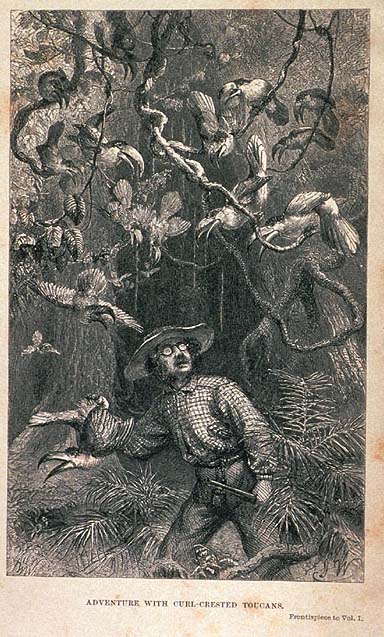





Practices and methods
Fieldwork is central to natural history. Practitioners make systematic observations, sketch or photograph features, collect samples and preserve specimens for later study. Key activities include identification, mapping distributions, noting ecological interactions and assembling life histories. These practices underpin taxonomy and the naming of new species and contribute baseline data for ecology and conservation. While experimental methods belong to other branches of biology, many modern natural historians combine observation with hypothesis testing to explore causes behind observed patterns.
Historically, those who practiced natural history were known as naturalists. Their training was often informal: they were educated amateurs who learned through direct experience in nature, correspondence and museum collections. Over the 18th and 19th centuries the role of naturalist gradually shifted as universities and learned societies professionalized the study of living things. Some individuals retained a broad, exploratory outlook—recording geology, local cultures, plants and animals together—while others specialized in anatomy, botany, paleontology or other subfields.
Development and influence
Natural history contributed major ideas to biological thought. Observers noticed that organisms appeared well adapted to their circumstances and that competition and mortality shaped populations. Such observations fed into the development of evolutionary theory in the 19th century, most famously in the work of Charles Darwin. Important figures who combined field observation with analytical work include geologists and biologists who helped reframe how people thought about the history of life and Earth. The modern distinction between a general naturalist and a specialist scientist emerged as training became more formalized and institutions such as museums and universities expanded their roles.
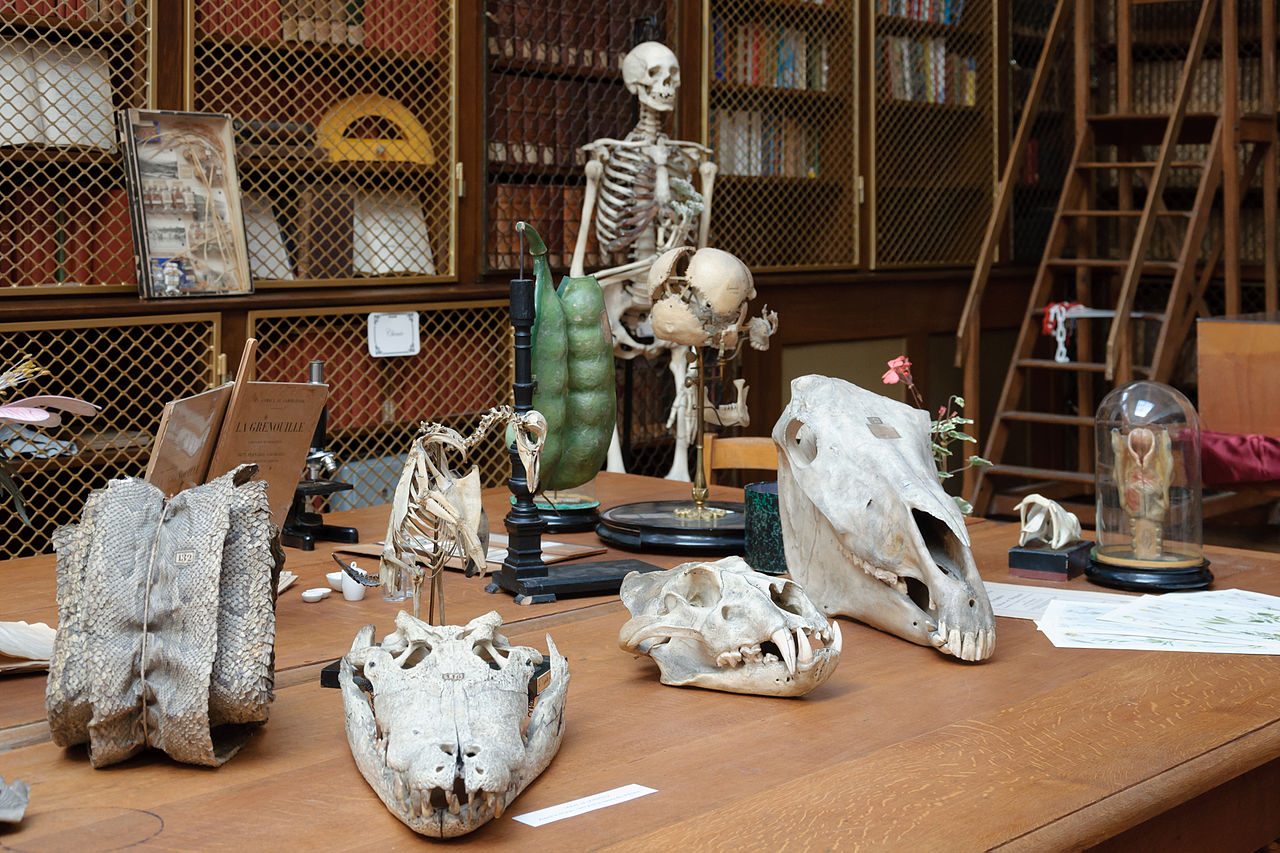
Natural history remains relevant today. Museum collections established by earlier naturalists preserve specimens that allow researchers to track changes in distribution, morphology and timing (phenology) over centuries. Field observations made by professionals and volunteers provide essential information for conservation planning, invasive species detection, environmental impact assessment and education. Citizen science projects continue the long tradition of amateur contribution to natural history by engaging the public in data collection.
Key activities and distinctions
- Observation: careful watching and recording of organisms in situ, often linked to notes or images (field observation).
- Collection and curation: gathering specimens for study, preservation and museum records (collecting and classification).
- Identification: determining the names and relationships of organisms, and recognizing new species (discovering species).
- Contextual study: integrating geological, climatic and ecological information to explain where and why organisms occur (geology, environment).
Although natural history overlaps with disciplines such as ecology, zoology and botany, it remains distinct in its emphasis on field‑based description and the accumulation of natural records. Subdisciplines include botanical study (plants and botany), anatomical comparison (anatomy), and historical geology (geology). The rise of modern science introduced more experimental and quantitative approaches, and with that came new professional identities and training pathways (trained professionals, professional science).
Further resources and notable names
For readers wishing to follow threads beyond this summary, a short list of related topics and historical touchstones is provided below. These anchors link to curated resources, museum pages and introductory material that expand on aspects of natural history and its practitioners.
- Overview of natural history
- Plant studies and botany
- Animal studies and zoology
- Habitats and environments
- Geological context for life
- Field observation techniques
- Collection, curation and classification
- Contrast with experimental science
- Naming and describing new species
- Connections to ecology
- Adaptation and form
- Competition and the struggle for existence
- Charles Darwin and evolution
- Thomas Henry Huxley and comparative anatomy
- Anatomy as a discipline
- Joseph Dalton Hooker and botanical exploration
- Botanists and botanical practice
- Charles Lyell and geological perspectives
- Historical education and degrees
- Education of naturalists
- Amateur contributions to science
- Training of modern scientists
- Professional scientific institutions
- Coining of the term 'scientist'
Natural history continues to be a vital bridge between the public and professional science. Its records and specimens tell stories about past ecosystems, inform conservation decisions, and inspire curiosity about the living world. Whether pursued as a professional career or as an informed hobby, natural history cultivates observational skills and an appreciation for the complexity of life on Earth.
Questions and answers
Q: What is natural history?
A: Natural history is the study of plants and animals in the wild, as well as their environments. It involves observation, interpretation, collecting and classification rather than experiments.
Q: Who are naturalists?
A: Naturalists are people who study natural history. They were among the first to explore the world and discover new species.
Q: What did naturalists notice about living things?
A: Naturalists noticed that living things fit into the lives they led - this was known as adaptation. They also noticed a struggle for existence between animals and believed there was a chain of being from lower animals to higher, which they thought was created by God.
Q: When did the idea that such things could happen naturally begin to surface?
A: The idea that such things could happen by natural means began to surface in the 18th century, becoming more popular during Charles Darwin's time.
Q: How were naturalists educated before Darwin?
A: Before Darwin, most naturalists were educated amateurs rather than trained professionals; they often took degrees in science which wasn't common at the time.
Q: When was the term "scientist" invented?
A: The term scientist was invented in 1837 by William Whewell; before then it had been referred to as either a "natural philosopher" (for physical sciences) or a "natural historian" (for biological sciences and geology).
Related articles
Author
AlegsaOnline.com Natural history: study of organisms, environments, and field practice Leandro Alegsa
URL: https://en.alegsaonline.com/art/68767