
Nobel Prize
International set of annual awards honoring contributions to science, literature, and peace, established by Alfred Nobel's will and administered by the Nobel Foundation.
The Nobel Prize is a group of international awards presented each year to individuals and organizations that have made outstanding contributions in specific fields. Established by the will of the Swedish industrialist Alfred Nobel, the prizes are widely regarded as among the most prestigious honors in their respective areas. Recipients, known as Nobel laureates, receive a medal, a diploma and a monetary award; the prize ceremonies take place annually on December 10, the anniversary of Nobel's death. For historical and official information see Nobelpriset.
Image gallery
10 Images



Categories and awarding bodies
The original Nobel categories specified in Nobel's testament are Physics, Chemistry, Physiology or Medicine, Literature and Peace. In the 20th century an additional prize in Economic Sciences was established in memory of Alfred Nobel and is commonly associated with the Nobel Prizes. The prizes are administered by the Nobel Foundation but different institutions are responsible for selecting laureates:
- Physics and Chemistry — selected by the Royal Swedish Academy of Sciences (science prizes).
- Physiology or Medicine — selected by the Nobel Assembly at the Karolinska Institute.
- Literature — selected by the Swedish Academy (Literature).
- Peace — selected by a committee appointed by the Norwegian Parliament; the Peace Prize ceremony is held in Oslo.
- Economic Sciences — awarded by the Royal Swedish Academy of Sciences.
History and origin
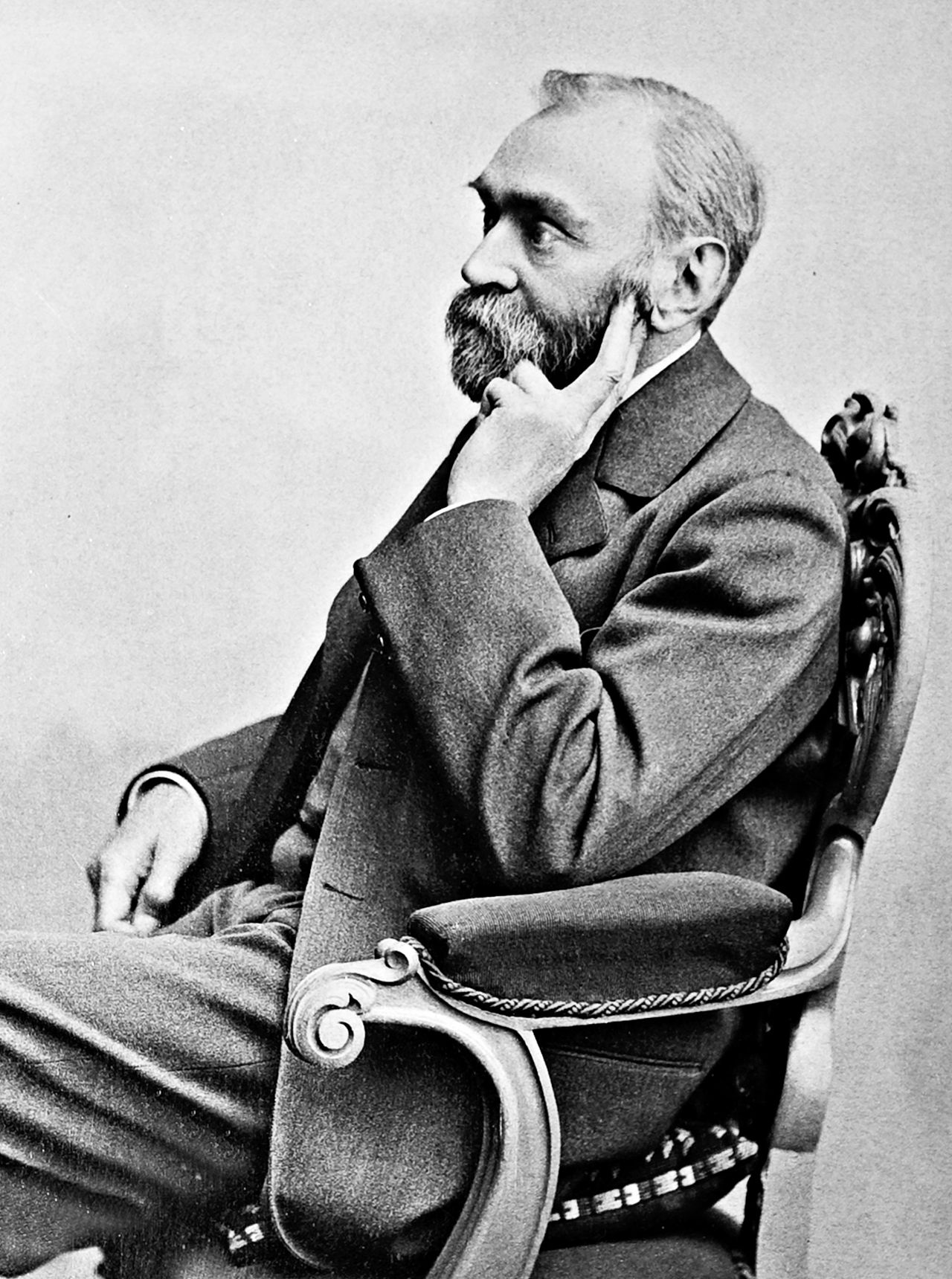
Alfred Nobel, a Swedish inventor and industrialist, left most of his fortune in a 1895 will to establish prizes for those who confer the "greatest benefit to humankind." The first awards were presented in 1901. The Nobel Foundation was created to manage the financial assets and to ensure long-term administration of the prizes. Over time, the Prize processes and the number of laureates have evolved; institutions as well as individuals may be recognized, and prizes are sometimes shared by multiple winners.
Composition of the award and ceremonies
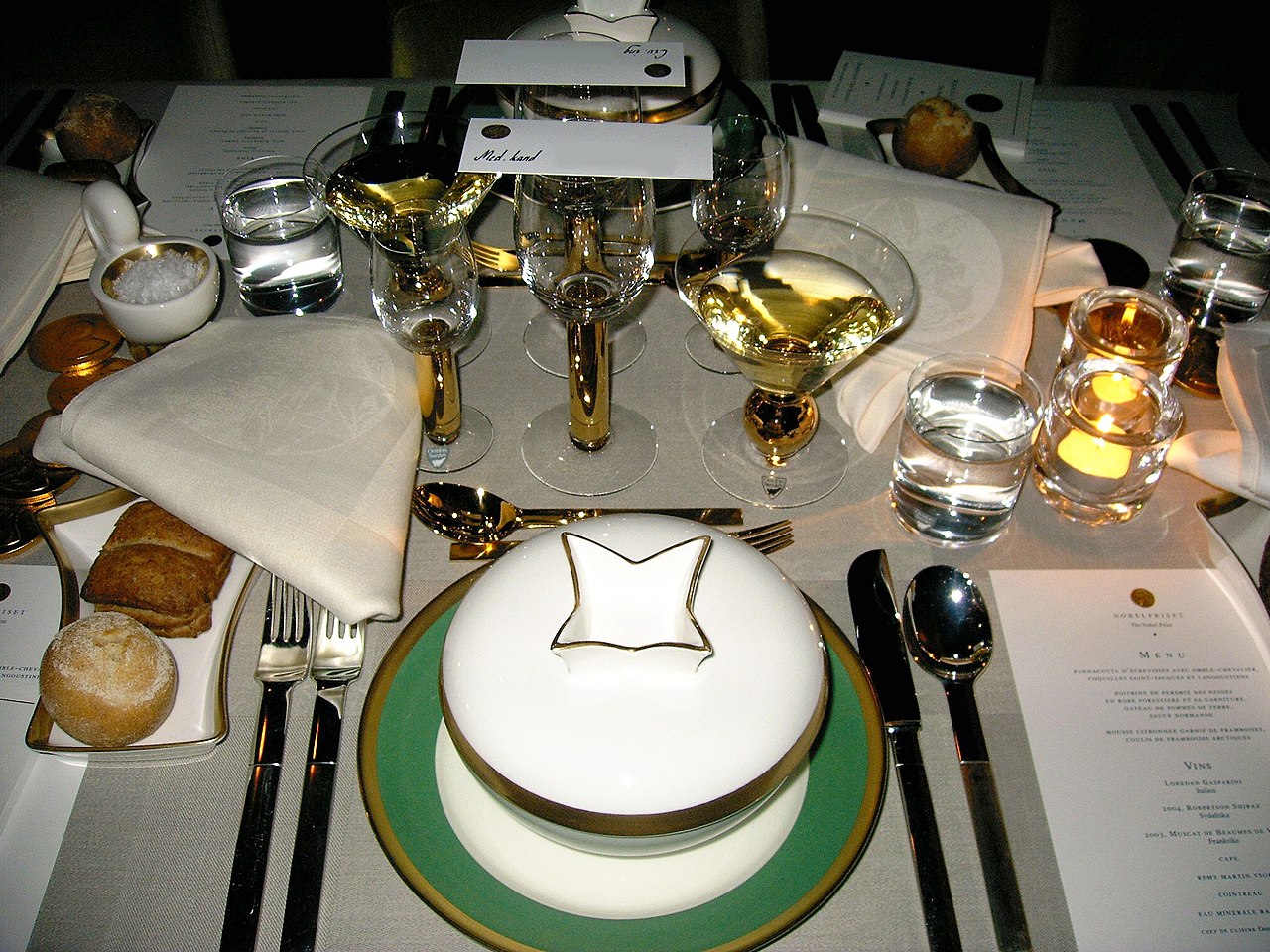
Each Nobel Prize traditionally includes a gold or gold-plated medal, a hand-written diploma, and a cash award. The monetary value of the prize has varied through the years according to the Foundation's finances. Laureates receive their awards at formal ceremonies: most categories are presented in Stockholm, Sweden, while the Peace Prize is presented in Oslo. The award ceremonies are accompanied by lectures, banquets and other commemorative events.
Significance, examples and notable features
Winning a Nobel Prize often brings international recognition and can influence careers, scientific funding and public awareness of important issues. Laureates have included scientists whose work reshaped fields, writers whose works achieved global readership, and organizations or individuals who advanced peace or human rights. The rules allow up to three individuals to share a prize in a single category in a given year, and organizations may receive the Peace Prize, underscoring the awards' flexibility in honoring different kinds of contribution. For summaries of laureates and historical lists consult official sources such as Alfred Nobel biographies and the Foundation site (historical data).
Criticism and debates
Despite their prestige, the Nobel Prizes are sometimes the subject of debate. Critics point to perceived omissions, the challenge of recognizing collaborative work, controversies over selections, and questions about the limits of awarding a single prize in fields that have grown highly interdisciplinary. The committees periodically refine procedures and rules to better reflect contemporary research practices and cultural developments. For institutional information and procedural descriptions see selection procedures and other organizational resources (ceremony and protocol).
Today the Nobel Prizes remain an influential global institution, shaping public understanding of scientific progress, literature, and efforts toward peace, while continuing to evolve in response to the changing landscape of knowledge and international affairs.
Questions and answers
Q: What are the Nobel Prizes for?
A: The Nobel Prizes are for the study of science and for world peace.
Q: Which fields are included in the science prizes?
A: The science prizes include Literature, Science, and Medicine.
Q: Who started the Nobel Prize?
A: Alfred Nobel started the Nobel Prize.
Q: What did Nobel's 1895 testament give money for?
A: Nobel's 1895 Testament gave money for the Prizes.
Q: Who decides who receives the Nobel Prize?
A: Different committees or academies are asked to decide who receives the prizes by the Nobel Foundation.
Q: What do people who receive a Nobel Prize called?
A: People who receive a Nobel Prize are called "Nobel laureates".
Q: When and where are the Nobel Prizes presented?
A: The awards are presented in Stockholm, Sweden, in a ceremony on December 10 which is the anniversary of Nobel's death.
Related articles
Author
AlegsaOnline.com Nobel Prize Leandro Alegsa
URL: https://en.alegsaonline.com/art/70486
Sources
- nobelprize.org : "The Nobel Prize"
- nobelprize.org : "The Nobel Prize Amounts"
- nobelprize.org : "The Nobel Prize Award Ceremonies"
- nobelprize.org : Nobel Prize facts
- osulibrary.oregonstate.edu : Preface"
- osulibrary.oregonstate.edu : "The Peace Prize..."
- osulibrary.oregonstate.edu : "Linus Pauling: awards, honors, and medals"
- nobelprize.org : Physiology or Medicine prize 1959
- nobelprize.org : Chemistry prize 2006