
George W. Bush (43rd President of the United States)
George W. Bush, 43rd U.S. president (2001–2009), served as Texas governor, led responses to 9/11, launched the Iraq and Afghanistan wars, and pursued notable domestic reforms and tax cuts.
Overview
George Walker Bush (born July 6, 1946) is an American politician, businessman and member of the Republican Party who served as the 43rd president of the United States from 2001 to 2009. He is the son of former president George H. W. Bush and former first lady Barbara Bush. Before the White House, Bush was governor of Texas from 1995 until his presidential inauguration in 2001. His public life spans roles in the military reserve, private enterprise and politics, and his presidency left a distinctive imprint on both domestic policy and U.S. foreign affairs.
Image gallery
10 Images
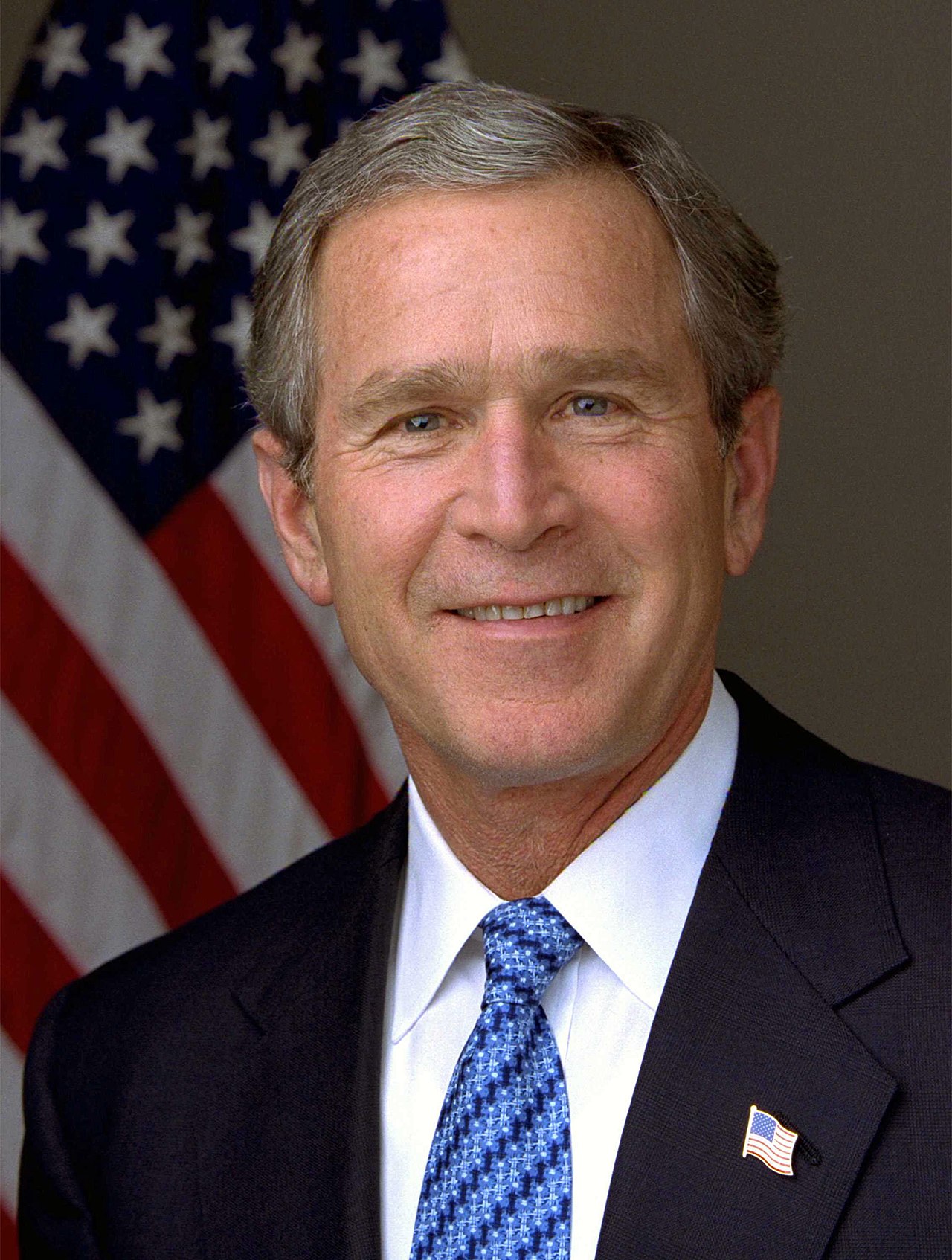


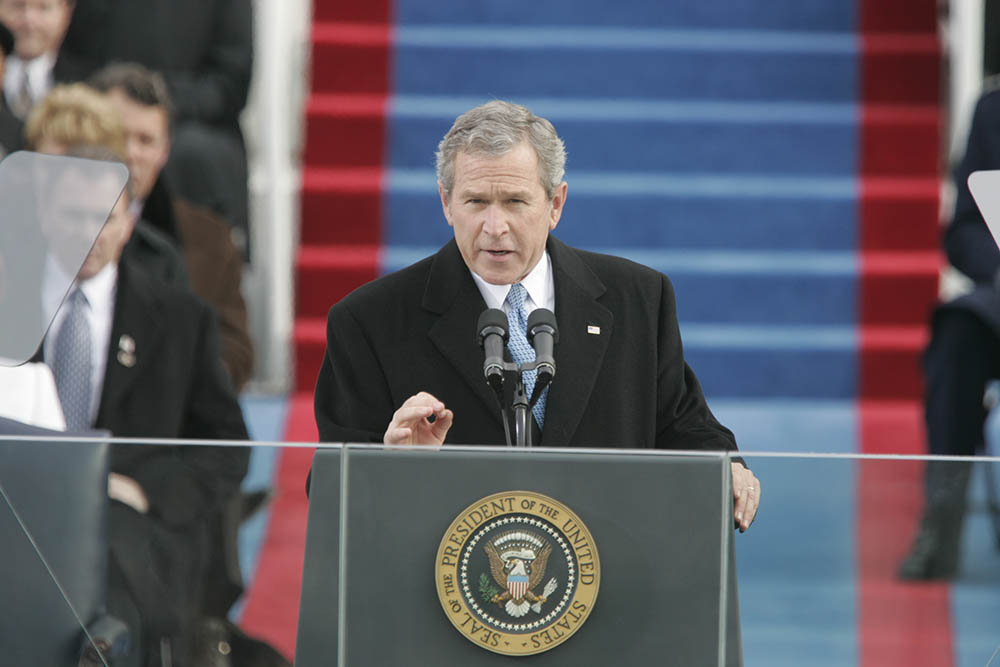

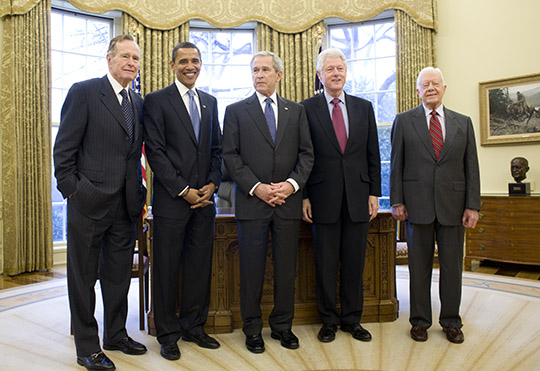
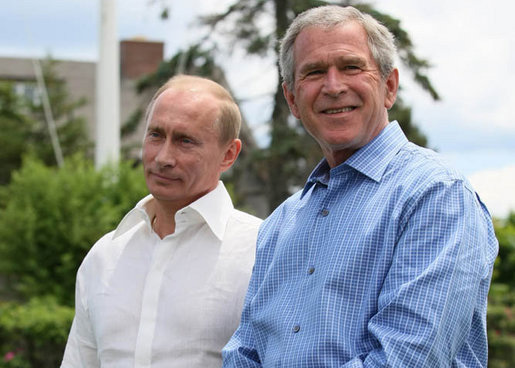

Early life and career
Bush was born and raised in a politically prominent family and completed undergraduate studies at Yale College, followed by an M.B.A. from Harvard Business School. He served in the Air National Guard and worked in the oil and energy sectors in Texas. In the 1980s and early 1990s he became a local businessman and investor and was a part owner of a Major League Baseball franchise. After an unsuccessful congressional run, he turned to statewide politics and won the Texas governorship in 1994.
Governor of Texas (1995–2000)
As governor, Bush focused on education reforms, tort and regulatory changes, and criminal justice policies. His administration supported higher academic standards for public schools, sought to increase funding for certain educational programs, and promoted measures aimed at reducing lawsuit costs for businesses. Texas also expanded energy production and, during his tenure, invested in diverse energy sources. Supporters credited his governorship with pragmatic management and fiscal restraint; critics argued some reforms favored business interests over public services.
Presidency: key domestic initiatives
After a tightly contested 2000 election that was ultimately resolved by the U.S. Supreme Court, Bush took office in January 2001. His domestic agenda emphasized tax cuts, which he argued would stimulate growth; the No Child Left Behind Act, a major federal education overhaul focused on accountability; and a prescription drug benefit added to Medicare. In the later years of his presidency he sought, without congressional success, broader changes to Social Security and immigration policy. His administration also confronted major emergencies that shaped public debate about federal competence and disaster response.
Presidency: foreign policy and the wars
The terrorist attacks of September 11, 2001, fundamentally reshaped Bush's presidency. He launched a global "War on Terror," created the Department of Homeland Security, and backed legislation expanding intelligence and law-enforcement powers. Military action began in Afghanistan in 2001 to dismantle al-Qaeda and remove the Taliban from power. In 2003 the administration ordered the invasion of Iraq, citing threats posed by weapons of mass destruction and links to terrorism; those claims later became the subject of intense scrutiny when such programs were not found. The conflicts in Afghanistan and Iraq dominated U.S. foreign policy for years, influencing troop deployments, defense budgets and diplomatic priorities.
Second term, controversies and economic crisis
Re-elected in 2004, Bush's second term included Supreme Court appointments that shaped the judiciary for decades, efforts to negotiate trade agreements, and renewed focus on counterinsurgency in Iraq. Several controversies marked the later years of his administration, including criticism of the federal response to Hurricane Katrina and the dismissal of U.S. attorneys. In 2007 and 2008 the administration adjusted troop levels and strategy in Iraq and Afghanistan. The global financial downturn in 2008 prompted emergency measures intended to stabilize markets and the banking system.
After the White House
Bush left office in January 2009 and was succeeded by Barack Obama. His post-presidential years have included publication of a memoir, the opening of a presidential library, philanthropic initiatives, and private pursuits such as painting. Historical assessments of his presidency remain mixed: he enjoyed exceptionally high approval ratings immediately after 9/11 but also recorded some of the lowest public approval figures during the economic crisis at the end of his tenure. Over time scholars and the public have continued to debate his policies and legacy.
Notable facts and legacy
- Family and background: He is the second U.S. president to be the son of a former president.
- Education: Degrees from Yale College and Harvard Business School.
- Military service: Served in the Air National Guard during the Vietnam-era period.
- Major laws and programs: Tax reductions, No Child Left Behind, Medicare prescription drug benefit, Department of Homeland Security, and the USA PATRIOT Act.
- Wars: Initiated sustained U.S. military operations in Afghanistan and Iraq; the Iraq intervention was particularly controversial due to prewar intelligence claims.
- Post-presidency: Memoir and public engagements, a presidential library opened in 2013, and continuing participation in public life and charitable work.
Key events and timeline (summary)
- Early political and business career, including state-level leadership and private ventures.
- Election as governor of Texas and focus on education and tort reform.
- 2000 presidential election, a closely contested result resolved by the courts.
- September 11, 2001 attacks and the subsequent shift to national security priorities.
- Wars in Afghanistan (2001) and Iraq (2003), with long-term strategic consequences.
- Re-election in 2004, judicial appointments, and management of multiple domestic crises.
- Departure from office in 2009 and evolving public and scholarly reassessment of his legacy.
Further links
- Biography overview
- Presidential chronology
- Family background
- Barbara Bush and family
- Governorship of Texas
- Early political campaigns
- Business ventures and sports ownership
- Opponents and elections
- Notable electoral contests
- 2000 election details
- Opponents and political rivals
- Inauguration and transition
- Education reform (No Child Left Behind)
- September 11, 2001
- Department of Homeland Security
- War on Terror
- Patriot Act and security legislation
- Iraq War overview
- Intelligence and WMD debate
- 2004 re-election campaign
- Supreme Court nominations
- Judicial appointments
- Hurricane Katrina response
- 2007–2008 economic developments
- Successor and transition
- Personal residences and ranch
- Crawford, Texas and local ties
- Local and regional context
This article provides a concise, neutral summary of George W. Bush's public life, highlighting major roles and the principal controversies and accomplishments associated with his career. For deeper research consult published biographies, official records and scholarly analyses.
Questions and answers
Q: When was George W. Bush born?
A: George W. Bush was born on July 6, 1946.
Q: What did he do before becoming president?
A: Before becoming president, George W. Bush was the Governor of Texas from 1995 to 2000. He also flew warplanes in the Texas and Alabama Air National Guard, worked in the oil industry, co-owned the Texas Rangers baseball team, and ran for U.S House of Representatives but lost.
Q: Who is his father?
A: His father is former U.S President George H.W Bush and his mother is former U.S First Lady Barbara Bush.
Q: What did he accomplish as governor of Texas?
A: As governor of Texas, George W Bush successfully backed legislation for tort reform, gave more money for education, set higher standards for schools and changed the criminal justice system. He also helped make Texas the leading producer of wind powered electricity in the US during this time period.
Q: How did he become president?
A: In 2000, George W Bush was elected President of the United States when he defeated Democratic incumbent Vice President Al Gore in a very close election; however he became fourth person to be elected president without winning the popular vote at that time period..
Q: What are some accomplishments during his presidency?
A: During his presidency, George W Bush cut taxes, passed an education reform bill made changes to Medicare and changed abortion laws; additionally after 9/11 attacks occurred he created Department of Homeland Security and started a "War on Terror" which began with a war in Afghanistan in 2001 as well as signing into law Patriot Act to spy on people believed to be terrorists; furthermore he ordered an invasion of Iraq which started Iraq War due to claims that Iraqi government had weapons of mass destruction program (though no such weapons or programs were ever found). After being re-elected to second term 2004 he reached multiple free trade agreements put John Roberts & Samuel Alito onto Supreme Court though failed pass major changes Social Security & immigration laws while wars Afghanistan & Iraq continued 2007 sent more troops Iraq . In 2007 entered Great Recession so created programs protect country's financial system like Troubled Asset Relief Program (TARP).
Q:What happened after his presidency ended ?
A:After leaving office January 2009 succeeded by Democrat Barack Obama , published memoir Decision Points 2010 opened presidential library 2013 , not ranked high presidential opinion polls but has started become more popular again after presidency ended .
Author
AlegsaOnline.com George W. Bush (43rd President of the United States) Leandro Alegsa
URL: https://en.alegsaonline.com/art/138835