
Manuscript: hand-written texts, materials, history, and uses
A manuscript is a hand-written text on materials like papyrus, parchment, or paper. This article outlines forms, physical features, historical development, cultural uses, and modern meanings.
A manuscript is a document or text produced by hand rather than by mechanical printing. The word derives from Latin roots meaning "written by hand," and it covers a wide range of items: literary works, legal records, religious books, letters, scientific notes and personal journals. Manuscripts may be single sheets, bound gatherings or long rolls and they are defined more by their method of production—manually inscribed—than by any single content or purpose.
Image gallery
10 Images


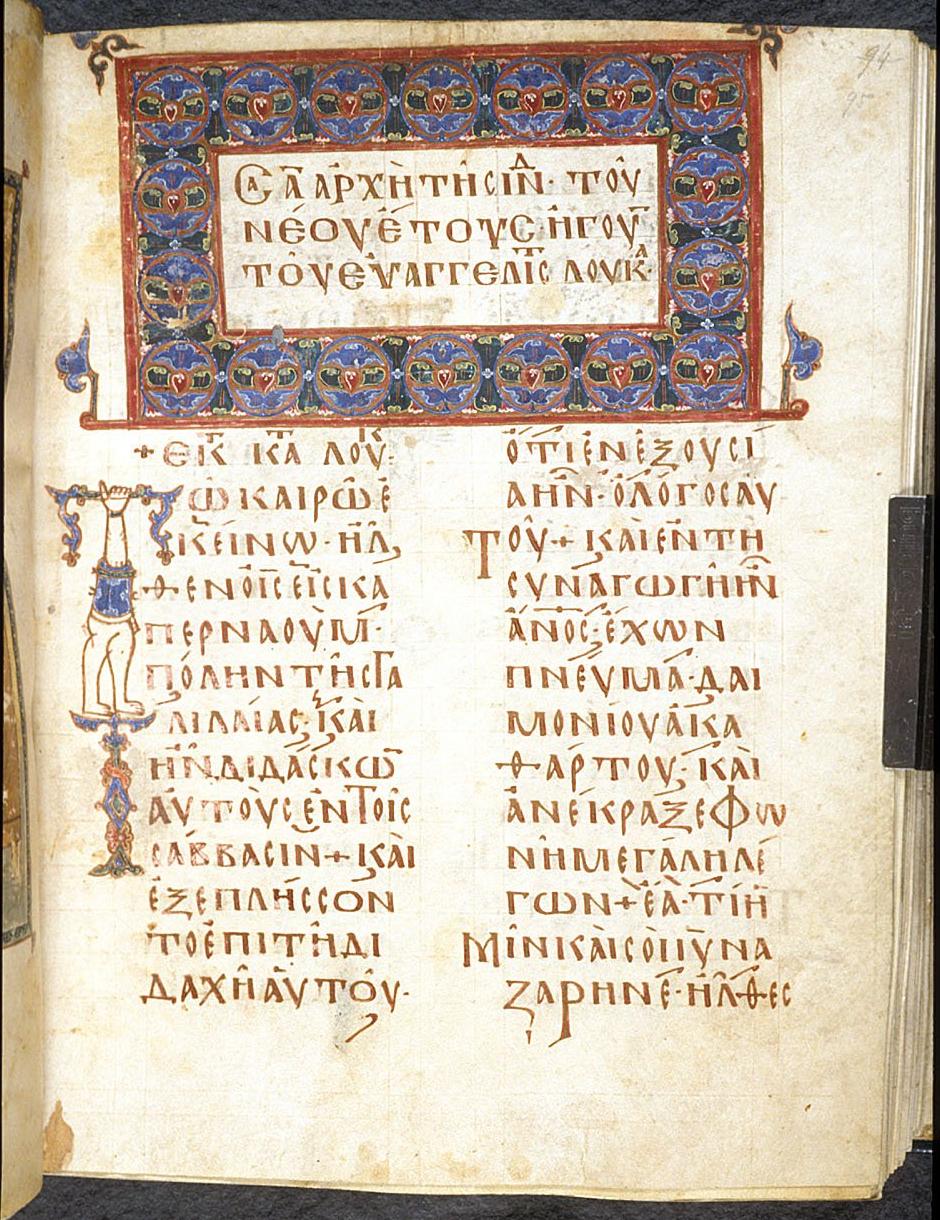
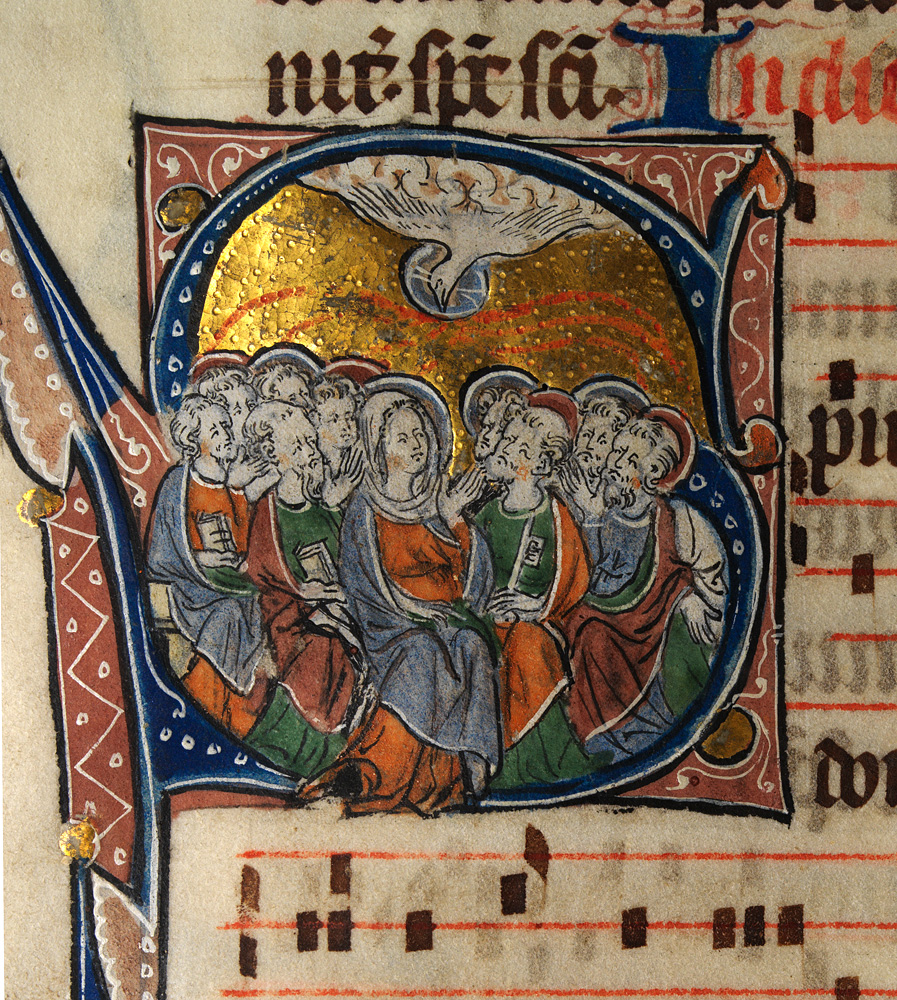
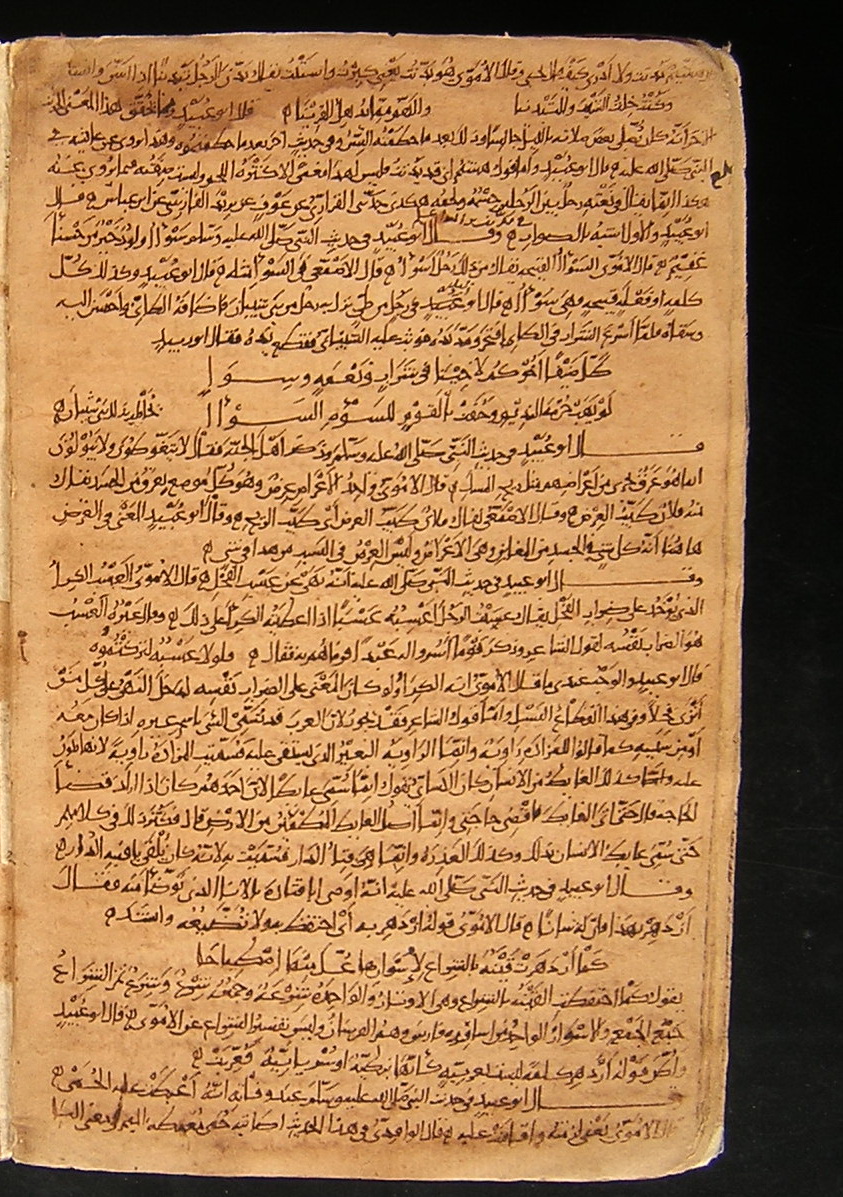
Characteristics and common components
Physical features of a manuscript reflect the material, the technology and the cultural setting in which it was made. Typical elements include the support (the material on which text is written), the script or handwriting, and additional features such as decorations, marginal notes and organizational marks. Common supports are papyrus, animal skins (parchment or vellum) and paper made from plant fibers. Manuscripts are often described by format: scroll, codex (book form) or loose sheets.
- Support: papyrus, parchment, paper.
- Format: scrolls, codices, folded gatherings.
- Script and layout: hand lettering, ruling, columns.
- Decoration: illuminations, initials, marginalia.
- Colophon and notes: maker's marks, dates, ownership inscriptions.
History and development
The history of the manuscript is closely connected to the wider history of writing and to the materials available to scribes. Early societies inscribed texts on clay, stone and reed papers, and over time technologies such as parchment making and paper production expanded the possibilities for long-form writing. The transition from scroll to codex was a major change in many cultures and allowed different ways of organizing texts. Monastic scriptoria, urban workshops and courtly ateliers became centres for copying and decorating manuscripts. With the rise of mechanical early printing, manuscripts were no longer the only practical medium for distributing texts, but handwritten works continued to be produced for liturgical, artistic and documentary purposes.
Uses, importance and examples
Manuscripts are primary sources for historians, philologists and art historians because they often preserve variants of texts, annotations and contextual evidence absent from later printed editions. Examples include religious codices used in worship, legal charters and administrative records that record transactions, scientific notebooks and illustrated herbals, and illuminated luxury books intended as works of art. Personal manuscripts such as diaries and letters shed light on private lives and social history.
Modern meanings, study and conservation
In modern publishing the term "manuscript" can also mean an author's typed or handwritten submission for publication, a sense that carries over from the older meaning. Scholars who study handwritten texts use disciplines such as paleography (the study of handwriting) and codicology (the study of books as physical objects) to date and contextualize manuscripts. Preservation involves careful conservation of fragile supports, climate-controlled storage and increasingly the creation of high-quality digital surrogates to improve access while protecting originals.
Manuscripts remain important both as cultural artifacts and as sources of unique information. They bridge art and information, revealing not only the transmitted words but also the practices of their makers and users. For further general reading about documents and texts see document resources, histories of the history of writing and introductions to early printing.
Related articles
Author
AlegsaOnline.com Manuscript: hand-written texts, materials, history, and uses Leandro Alegsa
URL: https://en.alegsaonline.com/art/61481