
Drama (theatrical and narrative forms)
An overview of drama: its defining features, historical development, common forms and uses, and how it differs from related genres such as comedy and melodrama.
Overview
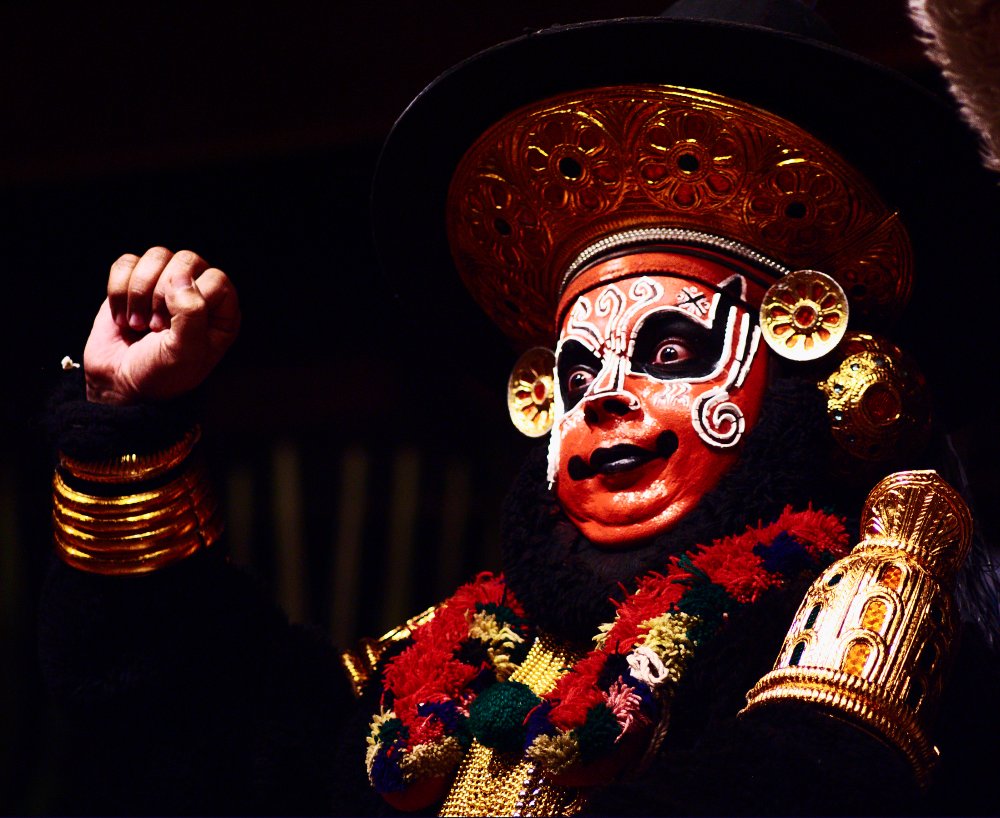
Drama is a mode of storytelling primarily intended for performance or representation rather than silent description. Originating from a word in Greek meaning "action," drama has come to encompass works conceived for the stage, screen and other expressive media. As a branch of literature and the performing arts, drama foregrounds character interaction and conflict and often explores human dilemmas through speech and action.
Image gallery
10 Images




Characteristics
Contemporary definitions emphasize several recurring qualities. Dramas:
- rely on dialogue and visible action rather than long narrative exposition;
- focus on conflict between characters or within a character, frequently highlighting relationships (relationships) and moral choices;
- are organized into scenes and acts (or comparable units) to shape pacing and climax;
- vary in tone from solemn and reflective to intense and sensational;
- can combine serious themes with moments of relief, and commonly mix dramatic and lighter elements.
History and development
Drama has a long, international history. Ancient theatrical traditions established basic forms and conventions that evolved in different eras: ritual and civic spectacles in antiquity, liturgical and mystery plays in the medieval period, and the commercial theatres of the Renaissance and beyond. Early modern dramatists expanded possibilities for character and plot; one influential figure in that expansion is Shakespeare. Over time drama adapted to new media: stories originally written as a novel might be staged as a play or reimagined as a movie, and choreographers translate dramatic themes into dance pieces.
Forms and uses
Drama appears in multiple formats: stage plays, film and television dramas, radio plays, and dance-theatre. It is used to entertain, provoke thought, model social critique, preserve cultural rituals, and teach through example. Directors and playwrights adopt varied styles—naturalism, expressionism, absurdism, melodrama—to suit their aims and audiences.
Distinctions and notable facts
While drama is often contrasted with comedy, the boundary is porous: many works blend seriousness and humour. Terms such as "tragedy," "melodrama," and "dramedy" describe different balances of tone and convention. The enduring power of drama lies in its immediacy—performed speech and action make human conflicts tangible and invite audiences to witness and reflect.
Further reading: Survey texts and anthology introductions provide historical context and representative plays across traditions; performance archives and recordings help study how dramatic works are realized in practice.
Related articles
Author
AlegsaOnline.com Drama (theatrical and narrative forms) Leandro Alegsa
URL: https://en.alegsaonline.com/art/28878