
Verismo: Italian realism in literature and opera (late 19th–early 20th century)
Verismo is an Italian movement of realism in literature and opera emphasizing everyday people, strong passions, naturalistic detail and social conditions, influential around the turn of the 20th century.
Verismo (Italian for a form of "realism") denotes a cultural tendency in late 19th- and early 20th-century literature and opera. Emerging toward the end of the 19th century and extending into the early 20th century, the term signals an effort to represent everyday life, social struggle and intense emotion without romantic idealization. The Italian word verismo is related to verità (truth), reflecting a general affinity with contemporary realist and naturalist currents in European culture.
Image gallery
2 Images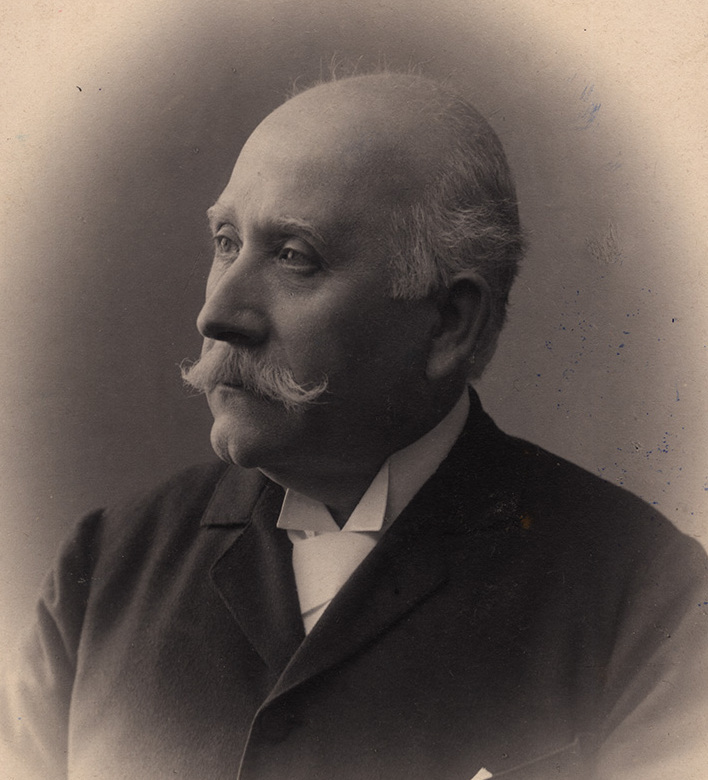

Defining characteristics
Works described as veristic typically concentrate on common people — peasants, laborers and urban dwellers — rather than on kings, gods or aristocrats. They emphasize social forces, economic constraints and bodily passions. Plots often involve jealousy, sexual desire, domestic conflict and sudden acts of violence or even murder, presented as consequences of character and circumstance rather than as moral allegory.
Literary background and influences
Verismo in literature is closely linked to European realist and naturalist movements. The work of the French novelist Émile Zola and the social probing of dramatists such as Henrik Ibsen helped shape an insistence on psychological depth and social detail. In Italy the Sicilian writer Giovanni Verga is commonly associated with verismo: his stories and the short narrative that inspired an important opera exemplify the movement's interest in local speech, fatalism and social realism. Critics and historians sometimes treat verismo as a regional variant of broader naturalist tendencies (Zola's naturalism).
Verismo in opera
The operatic form of verismo found expression in works that brought the literary focus on ordinary lives to the lyric stage. Pietro Mascagni achieved immediate success with Cavalleria rusticana, based on a story by Giovanni Verga; biographical and contextual material on the composer appears in many sources (Mascagni details). Ruggero Leoncavallo produced Pagliacci, another short drama often paired with Mascagni's piece in performance and colloquially known together as "Cav and Pag." Other composers attached to veristic repertory include Umberto Giordano and Francesco Cilea, and certain works by Giacomo Puccini are frequently noted for veristic elements.
Musical and dramatic features
Verismo opera tends to favor direct, declamatory vocal lines and continuous musical flow that supports dramatic immediacy rather than long virtuosic display. Orchestration often serves to intensify emotion and atmosphere. Staging and acting were expected to convey naturalistic behaviour and local color; singers required both vocal power and a capacity for strong dramatic expression.
Reception and legacy
Contemporaries debated verismo’s merits: some reviewers condemned its blunt subject matter as vulgar, while others praised its honesty and social relevance. Over time a handful of veristic works entered the standard repertory and influenced approaches to operatic realism, acting and production. Earlier pieces such as Bizet's Carmen are sometimes seen as antecedents because they also foregrounded popular life and violent passion before the verismo label was current.
Notes on terminology
The boundaries of verismo overlap with naturalism and other realist tendencies, and scholars differ in how narrowly they apply the label. For general surveys see material on literary and operatic realism and biographies or studies of figures such as Henrik Ibsen, Zola's naturalism and Mascagni. Verismo remains a useful term for works that foreground everyday lives, strong passions and the social conditions that shape human choices.
Related articles
Author
AlegsaOnline.com Verismo: Italian realism in literature and opera (late 19th–early 20th century) Leandro Alegsa
URL: https://en.alegsaonline.com/art/104656