
Pietro Mascagni: Italian Composer and Exponent of Verismo Opera
Pietro Mascagni (1863–1945) was an Italian composer best known for the one-act verismo opera Cavalleria rusticana. This article covers his life, style, major works and lasting influence.
Overview
Pietro Antonio Stefano Mascagni (1863–1945) was an Italian composer whose breakthrough came with a single one-act opera that established him as a leading figure of Italian verismo. Born in Livorno, Tuscany, he pursued music in the late 19th century and achieved immediate public recognition when his Cavalleria rusticana won attention for its raw emotional force and vivid, dramatic story. While he produced a steady output of operas and instrumental music, that one work remained the centrepiece of his reputation.
Image gallery
9 Images


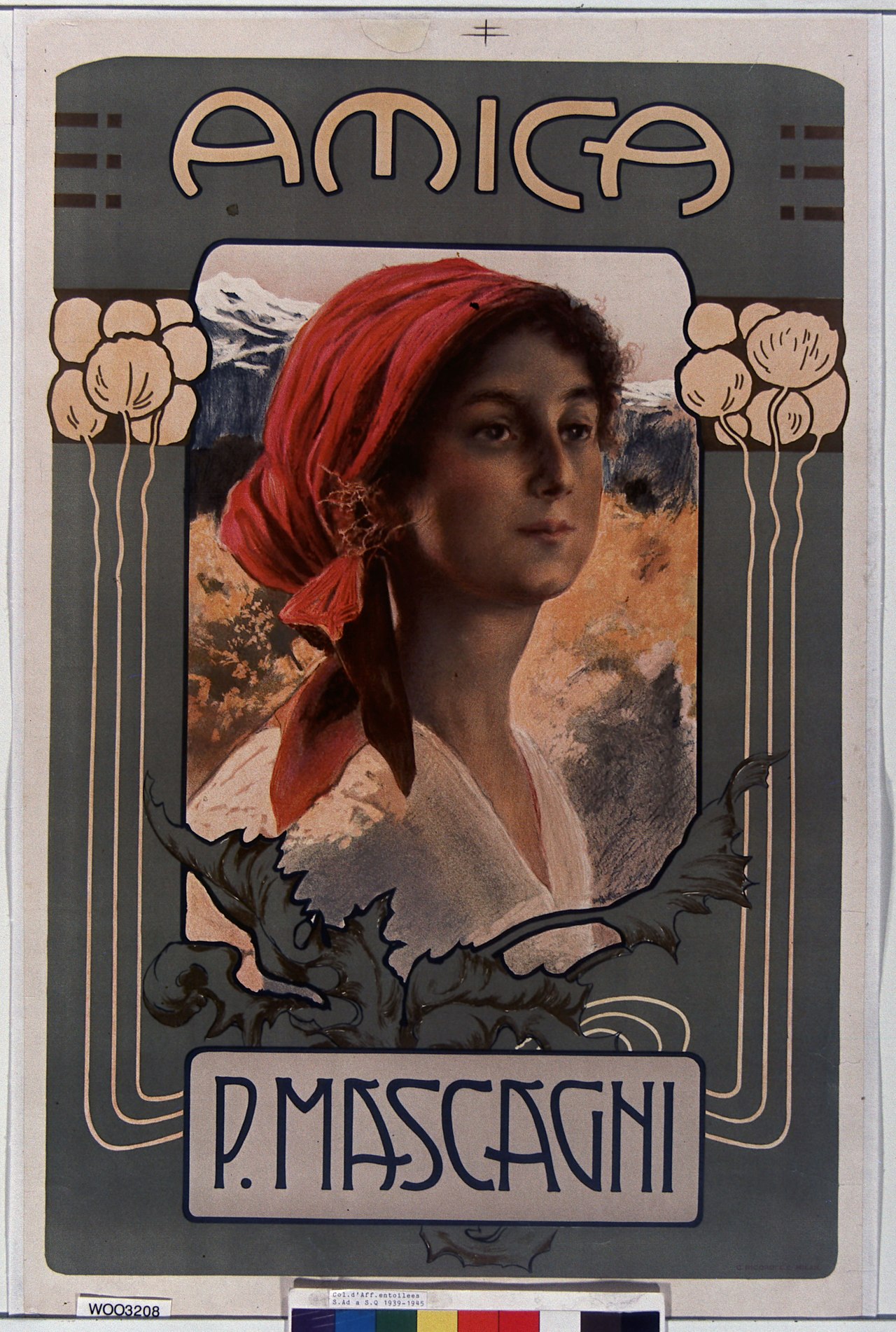

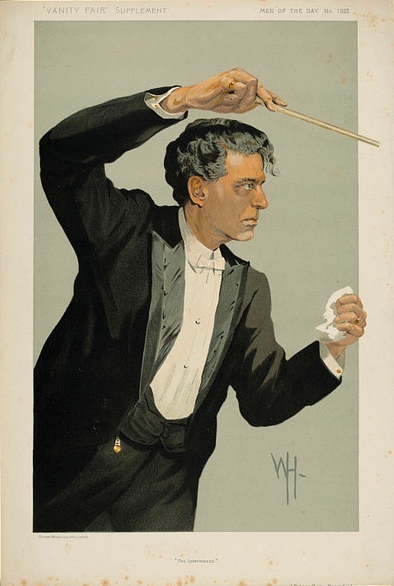
Musical style and characteristics
Mascagni is commonly associated with verismo, a movement that emphasized realistic stories drawn from everyday life, strong passions and often violent outcomes. His music favors direct melody, bold orchestral colour and clear dramatic pacing. One of the opera's orchestral passages, the Intermezzo from Cavalleria rusticana, has become widely performed as a concert piece and is frequently cited as a model of concise, emotionally charged orchestral writing.
Major works and repertoire
Although overshadowed by his early success, Mascagni wrote several other operas and stage works that enjoyed varying popularity. Notable titles include L'amico Fritz, Iris and a number of shorter pieces for voice and orchestra. In performance practice, his one-act drama is often programmed with Ruggero Leoncavallo's I pagliacci, creating the familiar double-bill known in many opera houses. Collectors and scholars also consult surviving manuscripts and early editions for study and performance; some modern editions and recordings are accessible online for reference here.
Career, reception and legacy
After the success of his famous one-act opera, Mascagni enjoyed a long career that included composing, conducting and supervising productions. Critical response to his later works was mixed: some praised his melodic gift and theatrical sense, while others criticized a perceived unevenness in dramatic conception. Despite fluctuations in reputation, his influence persists through the continued popularity of a few signature pieces and through his role in the development of Italian verismo, which affected contemporaries and the following generation of composers.
Personal life and later years
Mascagni married Lina Carbognani in 1889; the couple had two sons and a daughter. He continued to work in music throughout his life and died in Rome in 1945. Today he is remembered principally for the single opera that made his name and for contributing to a movement that brought greater psychological realism to Italian musical theatre.
Selected works
- Cavalleria rusticana (one-act opera) — Mascagni's signature work, frequently performed and recorded.
- L'amico Fritz — a lyric-comic opera that shows a lighter side of his style.
- Iris — a more exotic, melodramatic stage work often noted for its atmosphere.
- Orchestral and vocal pieces — including the well-known Intermezzo and several songs and sacred works.
Mascagni's place in music history rests on both the immediate impact of his early success and the broader currents of late-19th-century Italian opera that he helped to shape. For singers, conductors and opera programmers today, his scores offer vivid drama, memorable melody and a clear example of verismo practice in action.
Related articles
Author
AlegsaOnline.com Pietro Mascagni: Italian Composer and Exponent of Verismo Opera Leandro Alegsa
URL: https://en.alegsaonline.com/art/76858