
Ruggero Leoncavallo
Italian composer and librettist Ruggero Leoncavallo is best known for Pagliacci, a landmark verismo opera, and for his role in late 19th-century Italian musical theater.
Ruggero Leoncavallo (1857–1919) was an Italian composer and librettist whose name is tied above all to Pagliacci, the short but powerful opera that made him famous. A leading figure in late 19th-century musical drama, he is often associated with verismo, a style that favored vivid emotion, ordinary people, and direct theatrical force.
Born in Naples, Leoncavallo grew up in a cultured environment and developed an early interest in the stage. He did more than write music: he frequently supplied his own texts, giving his works a strongly personal dramatic shape. That combination of composer and librettist set him apart from many of his contemporaries and helped define his artistic identity.
Image gallery
4 Images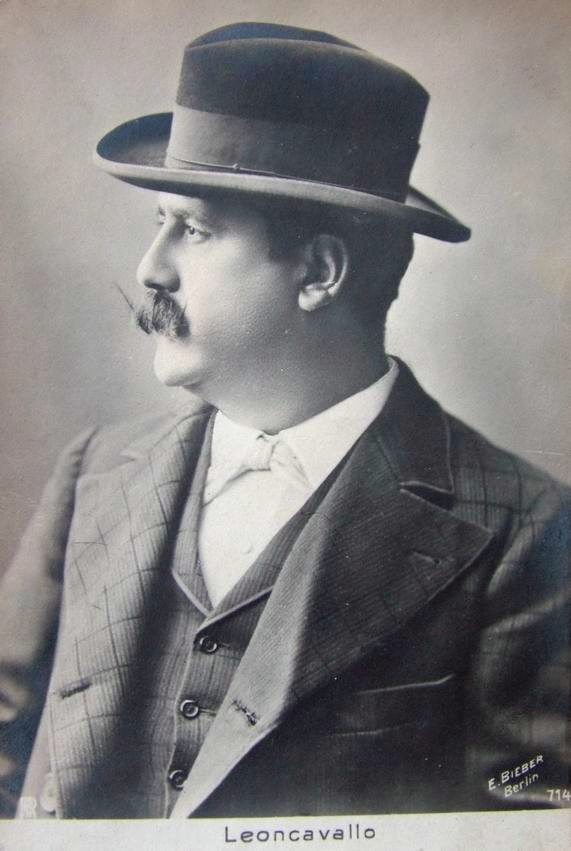


Breakthrough with Pagliacci
Leoncavallo's breakthrough came in 1892 with Pagliacci (often translated as The Clowns). Its compact plot, centered on jealousy, performance, and violence, captured audiences immediately. The opera's famous prologue and tenor aria, “Vesti la giubba,” secured its place in the standard repertory and made Leoncavallo's name known far beyond Italy.
He later toured the United States in 1906 to considerable success, reflecting the international reach of Italian opera in that period. Although he produced other stage works, he never quite repeated the overwhelming impact of Pagliacci. His version of La bohème, for example, attracted attention but was overshadowed by Puccini's better-known opera on the same literary source.
Style, reputation, and legacy
- Bright melodic writing shaped for theatrical effect.
- Stories that often stress passion, conflict, and social realism.
- A close link to verismo, though not every work fits the label equally well.
- A career that shows the intense competition among Italian opera composers of his era.
Leoncavallo died in Montecatini Terme, in Tuscany, in 1919. Today he is remembered chiefly for one enduring masterpiece, but his broader output still illustrates the energy, ambition, and variety of Italian opera at the turn of the 20th century.
Author
AlegsaOnline.com Ruggero Leoncavallo Leandro Alegsa
URL: https://en.alegsaonline.com/art/130174