
Opera: the musical drama — history, structure, and performance
Opera is a staged drama set to music in which singers and orchestra combine storytelling, vocal art and theatrical design. This overview describes its components, history, performance practice and distinctions.
Overview
Opera is a form of theatre in which the text (libretto) is sung rather than spoken and the music is integral to the drama. Like a play, it tells a story through characters and scenes, but music—vocal lines, orchestral passages and ensembles—shapes emotions and pace. Operas range from brief one-act works to multi-hour spectacles and can be comic, tragic, historical, mythical or contemporary in subject.
Image gallery
10 Images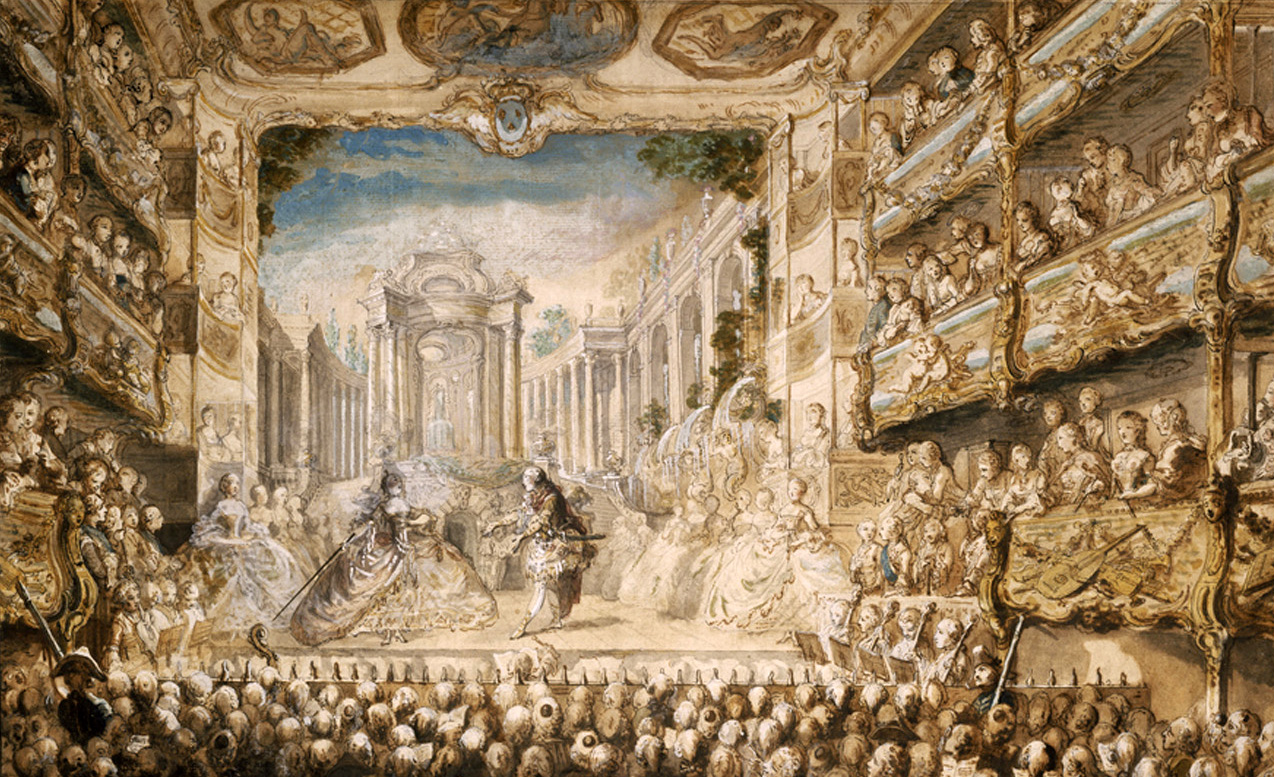




Main components
An opera combines several artistic elements. The libretto sets the words and dramatic structure; the score provides the music for singers and orchestra; staging, costumes and lighting realize the visual world; and the conductor coordinates voices and instrumental forces. Performers include soloists who act and sing principal roles, a chorus that represents groups or crowds, and the instrumental ensemble, usually seated in an orchestra pit in front of the stage.
Voices and musical forms
Vocal types are central to casting and dramatic effect. Common categories are:
- Soprano — highest female voice, often heroine roles
- Mezzo-soprano — lower female voice, often supporting or trouser roles
- Contralto — lowest female voice, rarer and distinctively dark
- Tenor — higher male voice, often leading heroic or romantic parts
- Baritone — mid-range male voice, frequent as fathers, villains or confidants
- Bass — lowest male voice, often noble or comic elders
History and development
Opera emerged from a desire to revive ancient dramatic practice combined with new musical ideas. Early examples established the mixture of solo arias, recitative and ensemble writing. Over centuries the art form evolved through Baroque, Classical and Romantic eras as composers expanded orchestras, dramatized character psychology, and experimented with leitmotifs and harmonic language. Later developments included realistic (verismo) works, large-scale music dramas, and 20th‑century experiments that broadened styles and staging approaches.
Performance practice and places
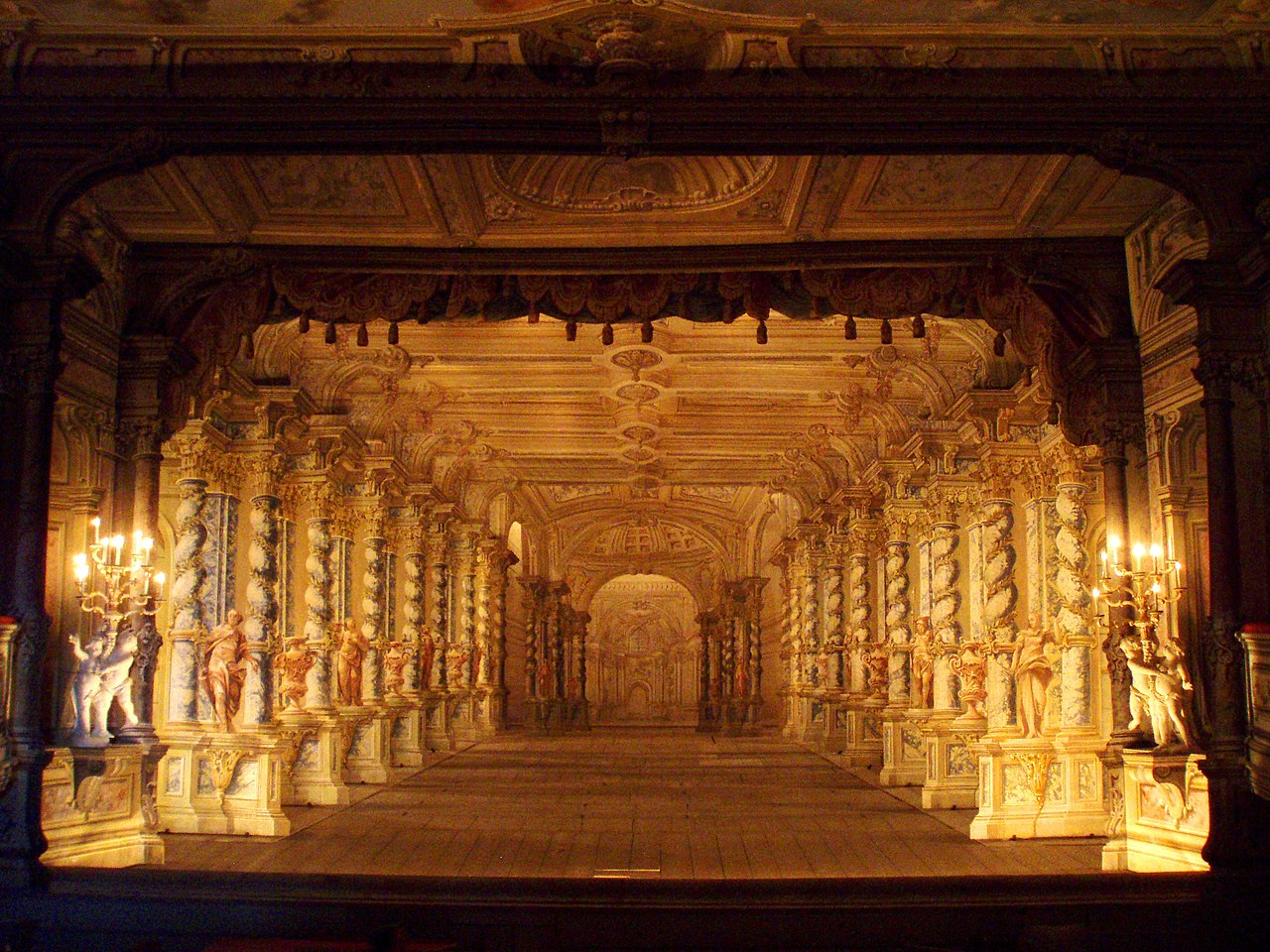
Operas are usually presented in opera houses designed for vocal projection, elaborate scenery and audience sightlines. Modern productions often use surtitles, amplification in some contexts, and complex stagecraft. A live orchestra supports singers and establishes the musical fabric; the conductor balances tempi and dynamics to serve both singers and theatrical timing. Touring companies, festivals and broadcast performances bring opera to wider audiences today.
Distinctions and contemporary relevance
Opera differs from related forms such as operetta (lighter, often spoken dialogue), musicals (popular theater with spoken scenes) and oratorio (concert works without staging). Contemporary composers continue to write operas that address modern themes, adapt literature and film, or reinterpret historic works, ensuring the genre remains a living and diverse art form.
Questions and answers
Q: What is an opera?
A: An opera is a type of drama that involves singing instead of speaking.
Q: Where are operas usually performed?
A: Operas are typically performed in opera houses.
Q: What is the set up of an opera performance?
A: The singers who perform and act out the story are on the stage, while the orchestra is in front of the stage but lower down in the orchestra pit.
Q: How is an opera different from a play?
A: While plays are spoken, everything in an opera is sung.
Q: What is the role of the orchestra in an opera?
A: The orchestra accompanies the singing and acting on the stage.
Q: Where is the orchestra located during an opera performance?
A: The orchestra is located in front of the stage but lower down in the orchestra pit so that the audience can see the stage.
Q: Who performs in an opera?
A: The performers in an opera are singers who both sing and act out the story on stage.
Related articles
Author
AlegsaOnline.com Opera: the musical drama — history, structure, and performance Leandro Alegsa
URL: https://en.alegsaonline.com/art/72804