
Carmen: Bizet’s Opera of Passion and Tragedy
Carmen is a four-act French opéra comique by Georges Bizet (premiered 1875), set in Spain and adapted from Mérimée’s novella; famed for its melodies (Habanera, Toreador) and dramatic realism.
Overview
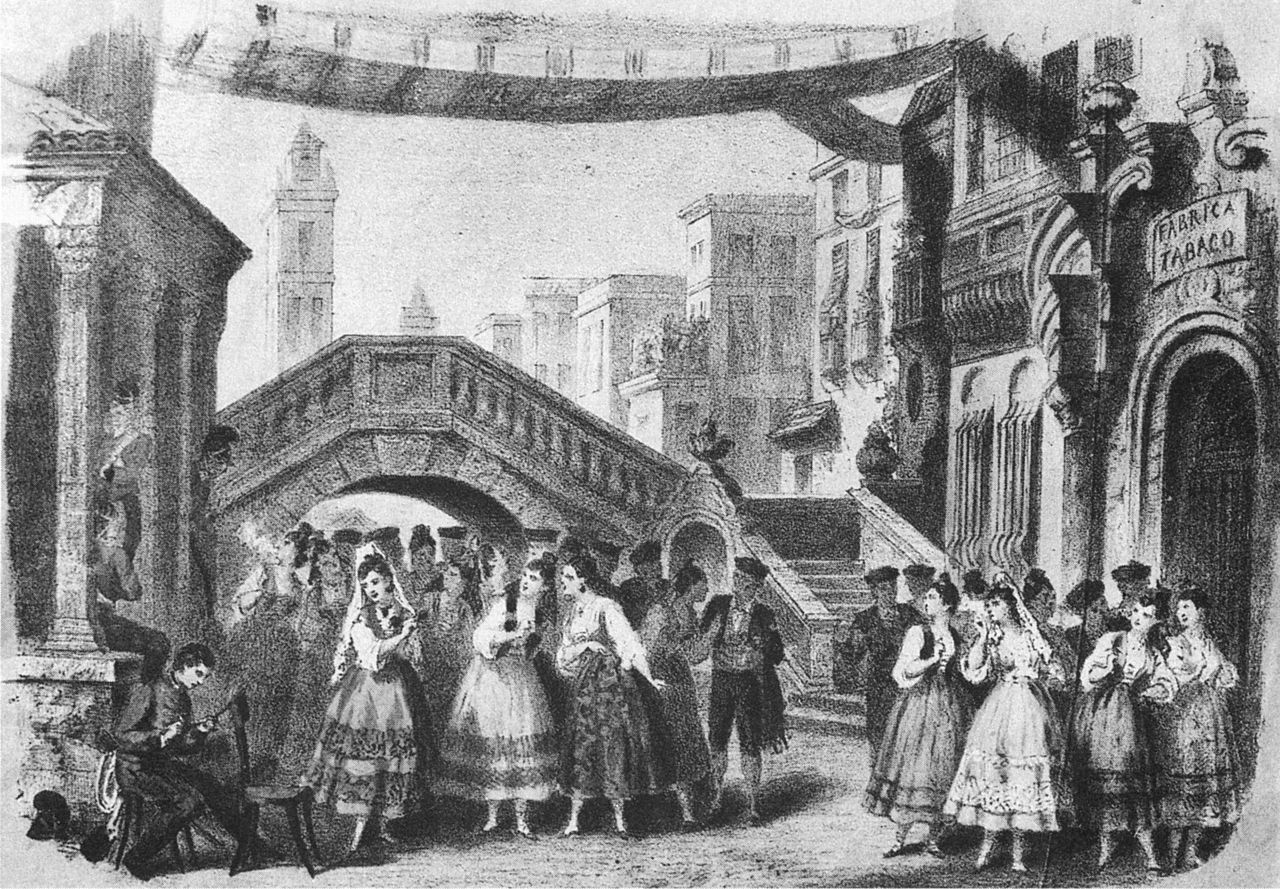
Carmen is a four-act French opéra comique composed by Georges Bizet. It premiered in Paris on 3 March 1875 at the house of the Opéra-Comique. The libretto is adapted from a novella by Prosper Mérimée, and the drama is set in southern Spain. Despite its origins in the opéra comique tradition (which normally included spoken dialogue), Carmen is darker and more realistic than many contemporaneous works.
Image gallery
10 Images




Composition and Dramatic Style
Bizet blended French operatic technique with Spanish-inspired rhythms and local color to portray raw emotion and social realism. The score uses memorable tunes, recurring motives, and orchestral color to underline character and fate. The original production retained spoken dialogue between musical numbers; later performances sometimes substitute sung recitative.
Notable Musical Numbers
Carmen contains several arias and ensembles that have entered the standard repertoire: the Habanera (L'amour est un oiseau rebelle), the Seguidilla (Près des remparts de Séville), Don José’s "Flower Song" (La fleur que tu m'avais jetée) and the Toreador Song (Votre toast, je peux vous le donner). These pieces showcase a mix of seductive melody, rhythmic drive and dramatic clarity and are frequently excerpted in concerts.
Characters and Plot
- Carmen — a free-spirited, charismatic cigarette factory worker (mezzo-soprano)
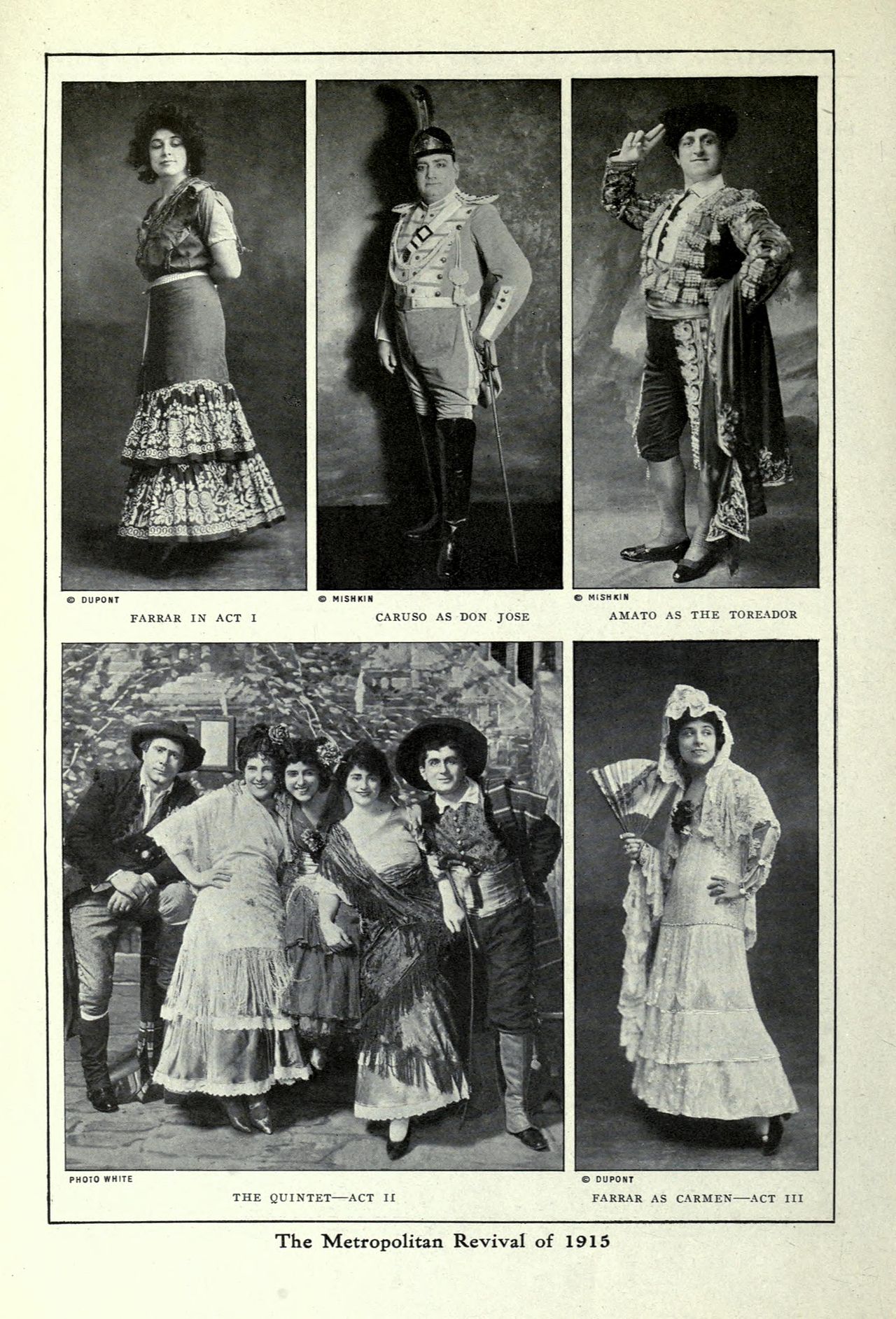
- Don José — a corporal torn between duty and passion (tenor)
- Escamillo — a confident bullfighter (baritone)
- Micaëla — a more conventional, compassionate woman from Don José’s past (soprano)
In summary, Carmen’s allure ignites a destructive love triangle: Don José abandons his position and his former life, Escamillo offers fame and rivalry, and jealousy culminates in tragedy.
Reception and Legacy
The premiere provoked mixed reactions because of the work’s sensuality and moral ambiguity, but Carmen quickly gained popularity and is now one of the most performed operas worldwide. Bizet did not live long enough to witness the enduring success of his score. Carmen’s music and the figure of the independent, defiant heroine have influenced opera, ballet, film and popular culture.
Distinctive Facts
Although categorized as opéra comique, Carmen breaks many expectations of that genre by ending tragically. Productions vary between keeping the original spoken dialogue and using newly composed recitatives; both approaches remain common. For further reading, consult modern editions and productions listed by major houses and reference sites such as company histories or composer biographies at specialized resources and historical overviews at archive guides and literary sources.
Questions and answers
Q: When was Carmen first performed?
A: Carmen was first performed on 3 March 1875.
Q: Who wrote Carmen?
A: Carmen was written by Georges Bizet.
Q: Where is the story of Carmen set?
A: The story of Carmen is set in Spain.
Q: What inspired the story of Carmen?
A: The story of Carmen is based on the story of the same title by Prosper Mérimée.
Q: What is Carmen?
A: Carmen is a French opera.
Q: When was Carmen written?
A: Carmen was written in the 19th century.
Q: Who is the composer of Carmen?
A: Georges Bizet is the composer of Carmen.
Related articles
Author
AlegsaOnline.com Carmen: Bizet’s Opera of Passion and Tragedy Leandro Alegsa
URL: https://en.alegsaonline.com/art/17132