
Henrik Ibsen: Norwegian Playwright and Father of Modern Drama
Norwegian playwright Henrik Ibsen (1828–1906) reshaped modern theatre with realist and psychological dramas that exposed social hypocrisy, individual conflicts, and changing moral values.
Overview
Henrik Johan Ibsen (1828–1906) was a Norwegian dramatist and poet widely regarded as a founding figure of modern drama. His plays moved European theatre away from melodrama and romantic spectacle toward realism and psychological depth, examining the tensions between private desires and public duties. For many scholars and theatre practitioners, Ibsen’s work marks a turning point in how plays address social issues and personal conscience.
Image gallery
10 Images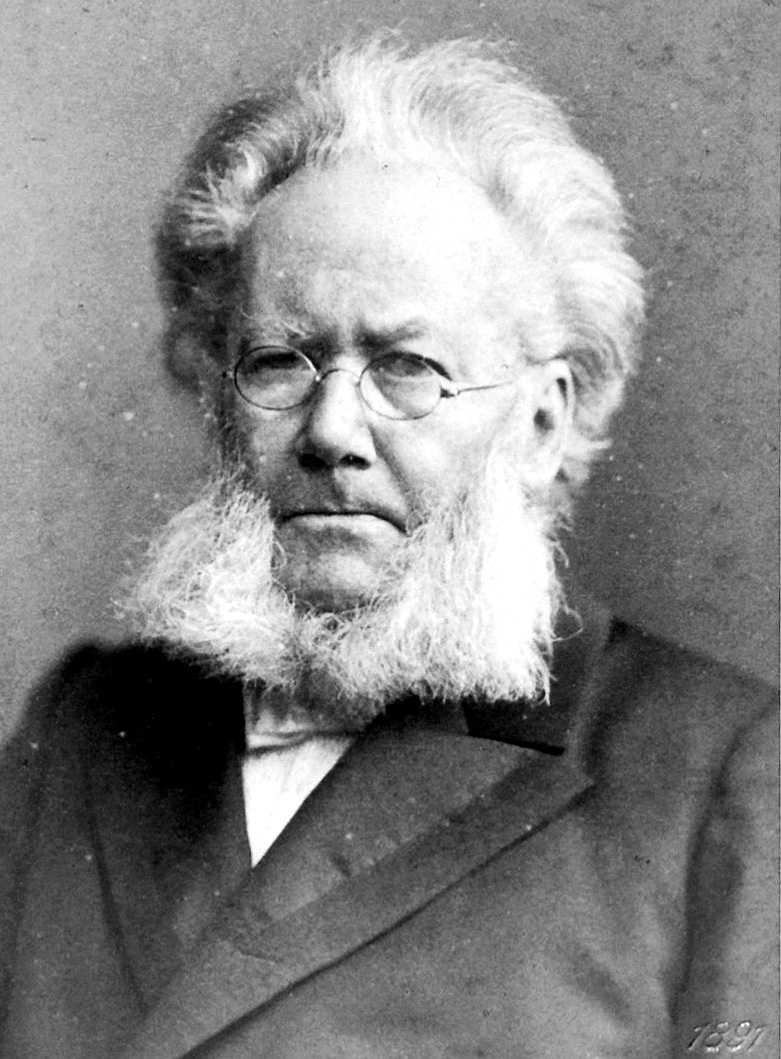



Life and career
Ibsen was born in Norway and began his professional life in the mid-19th century. After early work in poetry and verse drama, he served as a theatre director and later spent decades living abroad in cities such as Dresden and Rome, where he wrote his most influential realist dramas. He returned to Norway late in life and died in 1906. His long career traces a movement from romantic and national themes to tightly focused plays that confront contemporary social norms.
Themes and style
Ibsen’s plays are known for their clear, naturalistic dialogue and stage directions that emphasize psychological truth. Recurring themes include individual freedom versus social expectation, the critique of bourgeois morality, the consequences of hidden secrets, and the position of women within the family and society. His later work also incorporates symbolic and philosophical elements while retaining a focus on human motives and consequences.
Major works
- A Doll’s House (a domestic drama centered on marriage and autonomy)
- Ghosts (which challenged inherited morality and social taboo)
- An Enemy of the People (about public interest and the cost of truth)
- Hedda Gabler (a study of a complex, restless protagonist)
- Peer Gynt (an earlier verse drama drawing on Norwegian folklore)
For brief summaries and reading suggestions, see selected works or consult a concise biography.
Legacy and influence
Ibsen is often called the "father of modern drama" for the ways his plays opened theatre to social debate and character-driven realism. His influence extends to playwrights such as Strindberg and Shaw and to contemporary writers who explore social conscience on stage. In Norway he is celebrated as a major national literary figure; internationally, his plays remain regularly produced and studied for their enduring moral complexity.
Notable facts
Many of Ibsen’s plays caused controversy when first performed because they addressed taboo subjects and questioned accepted values. Today they are valued both for their historical role in theatre reform and for their continuing ability to provoke discussion about ethics, gender, and civic responsibility.
Related articles
Author
AlegsaOnline.com Henrik Ibsen: Norwegian Playwright and Father of Modern Drama Leandro Alegsa
URL: https://en.alegsaonline.com/art/120501
Sources
- bowdoin.edu : "Ibsen Celebration to Spotlight 'Father of Modern Drama'"
- ibsen.net : "Ibsen.net (English version)"