
Émile Zola: French novelist and leading figure of literary naturalism
Émile Zola (1840–1902) was a major French novelist, critic, and activist who founded literary naturalism, wrote the Rougon‑Macquart cycle, and played a central role in the Dreyfus affair.
Émile Zola was a prominent French writer and public intellectual of the late 19th century. Born in 1840 and dying in 1902, he became best known for advocating a literary method called naturalism and for using fiction to explore social conditions. Zola was nominated for the first two Nobel Prizes in Literature and remained an influential voice in debates about politics, justice and culture across France. For general reference see French writer.
Image gallery
10 Images

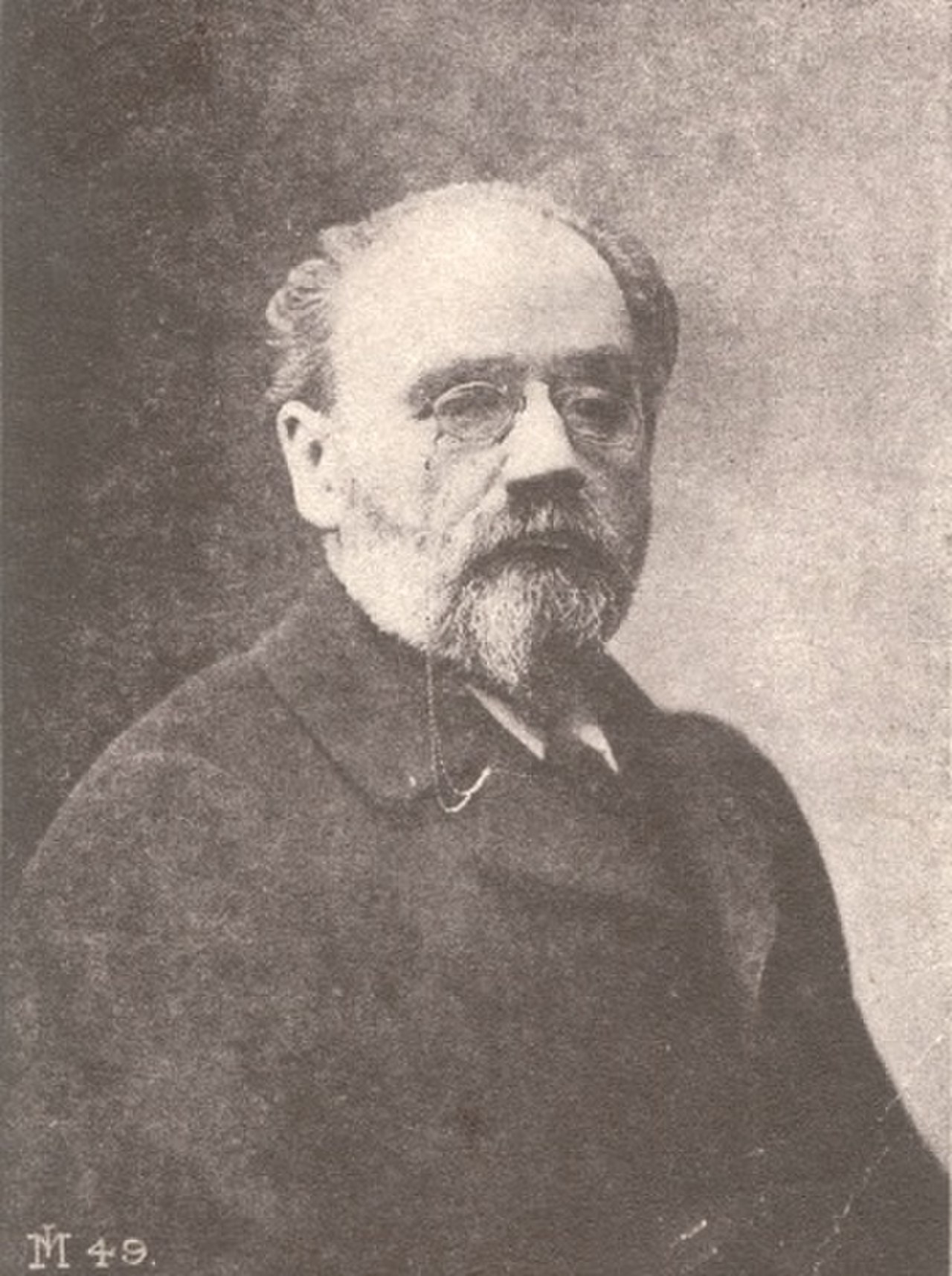


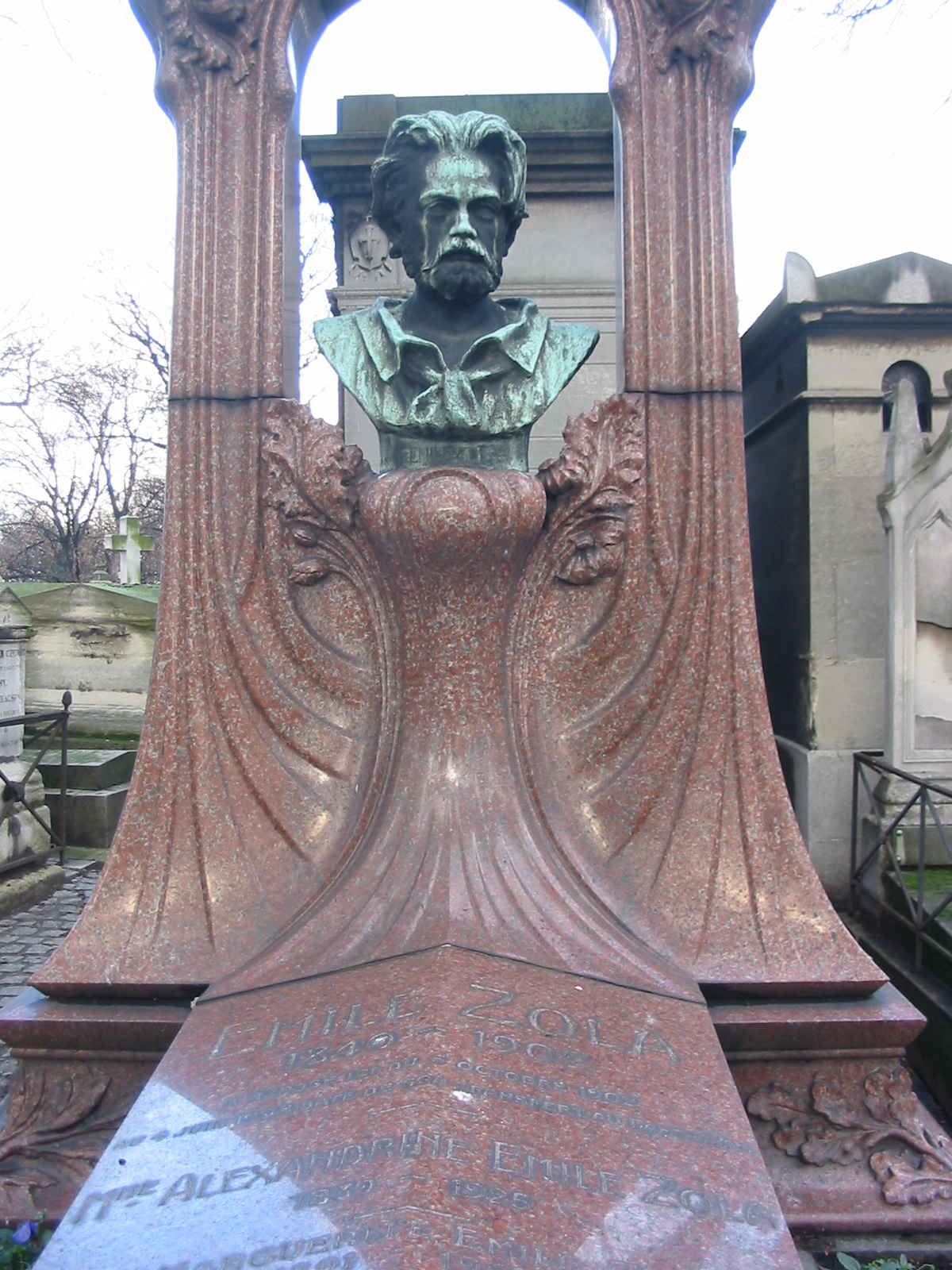

Early life and career
Raised in a family with Italian and French roots, Zola worked first as a clerk and then as a journalist and literary critic. His writing combined careful observation from everyday life with an interest in science and social history. He made his reputation through critical essays and short fiction before embarking on larger projects that would establish him as a novelist and public figure; biographical and career details are often discussed under the heading novelist and critic.
Naturalism: method and themes
Zola helped define the naturalist movement by treating novels as social laboratories. He argued that heredity, environment and social forces shaped characters’ behavior, and he aimed for documentary realism: detailed description, precise settings and attention to the material circumstances of ordinary people. Recurring themes include poverty, labor, urbanization, vice and the effects of industrial modernity.
Major works and the Rougon‑Macquart cycle
His best-known achievement is a multi‑volume sequence that traces a family across the Second French Empire. Zola intended the cycle to illustrate how social and biological forces act across generations. Representative titles include:
- L'Assommoir — a study of working‑class life and alcoholism;
- Germinal — a depiction of miners, labor struggle and hardship;
- Nana — a portrait of social ambition and moral decline.
Political engagement: the Dreyfus affair
Zola's public involvement reached a peak in the 1890s during the Dreyfus affair, when he published an open letter accusing the government and army of injustice. The piece inflamed public debate, led to a famous libel trial and forced Zola into temporary exile. His intervention is one of the clearest instances of a writer taking direct part in a national political crisis and is frequently cited in accounts of intellectual responsibility; see discussions under naturalism and political activism.
Death and legacy
Zola died in 1902 from carbon monoxide poisoning; the circumstances—accident, suicide or foul play—have been debated. He left a lasting legacy as a pioneer of realistic fiction, an influence on social and political literature, and a model of the engaged writer. His work remains studied for its narrative techniques, social analysis and the ethical questions it raises about art and society. For more on his death and its investigation, see carbon monoxide.
Questions and answers
Q: Who was Émile Zola?
A: Émile Zola was a major French writer and the most important naturalist writer.
Q: When was Émile Zola born and when did he die?
A: Émile Zola was born on April 2, 1840, and he died on September 29, 1902.
Q: What was Émile Zola known for?
A: Émile Zola was known for his work as a major French writer and his contributions to naturalism.
Q: What was Zola's contribution to France?
A: Zola worked toward political liberalization of France.
Q: Was Zola ever nominated for a Nobel Prize in Literature?
A: Yes, Zola was nominated for the first and second Nobel Prize in Literature in 1901 and 1902.
Q: How did Émile Zola die?
A: Émile Zola's death from carbon monoxide poisoning is suspected to have been a suicide.
Q: What is naturalism in literature?
A: Naturalism is a literary movement that emphasizes the scientific approach to portraying reality, particularly the darker and more unpleasant aspects of life.
Related articles
Author
AlegsaOnline.com Émile Zola: French novelist and leading figure of literary naturalism Leandro Alegsa
URL: https://en.alegsaonline.com/art/31153
Sources
- nobelprize.org : "Nomination Database - Literature - 1901"
- nobelprize.org : "Nomination Database - Literature - 1902"