
Wisdom literature: definition, features, history and examples
Literary genre focused on practical, moral and philosophical teaching. Covers sayings, reflective dialogues, origins in the ancient Near East, major examples, themes, uses and distinctions.
Overview
Wisdom literature is a broad literary category composed of sayings, instructions and reflective writings that address how people should live, how the world is ordered and how humans relate to ultimate realities. As a recognizable genre it appears in many ancient cultures, often produced by professional sages or teachers and intended for practical instruction as well as moral reflection. Writers shaped short maxims, longer poems, dialogues and dramatic monologues to explore ethical conduct, human suffering and the nature of wisdom itself. Genre surveys and introductions often group these texts by form and purpose, while bibliographic guides treat them within the wider field of ancient literature.
Image gallery
3 Images

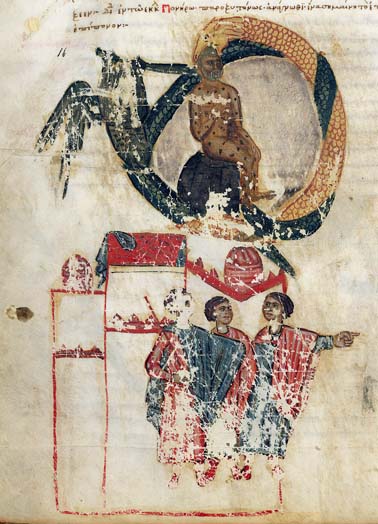
Characteristic forms and techniques
Scholars usually distinguish two broad approaches within wisdom literature: concise, general sayings that function as proverbs and instructions; and speculative or reflective works that probe difficult questions through story, dialog or meditation. Common literary features include parallelism, antithetical statements, instruction addressed to a junior figure, personification of abstract qualities, and rhetorical questions used to dramatize inquiry.
- Gnomic or sapiential sayings: short maxims for daily conduct.
- Speculative/sapiential narratives: longer reflections about suffering, justice and the meaning of life.
- Instructional frame: tutor to disciple, courtly advice, or temple school contexts.
These techniques are visible across the ancient Near East and beyond; comparative studies frequently point to shared motifs and teaching methods in neighboring traditions. See comparative introductions to wisdom in the ancient Near East.
Origins and historical development
Wisdom traditions emerged in various early centers of literacy where scribal schools, courts and temples cultivated professional advisers. In Egypt, Mesopotamia and Israel, texts circulated orally before being committed to writing, and later collections preserved older sayings alongside newer reflections. The movement from pragmatic instruction toward philosophical reflection is visible when short proverbs are set beside dialogues that question divine justice and the human condition.
Major examples
Representative works demonstrate the genre's range: early Egyptian instructions such as those attributed to Ptahhotep and Amenemope supply courtly counsel; Mesopotamian ‘‘Counsels of Wisdom’’ and dialogues explore fate and human limitation; Greek gnomic poetry (for example, the advice tradition in Hesiod) connects with Mediterranean practice; and in the Hebrew Bible, Proverbs, Job and Ecclesiastes (Qoheleth) form a rich sapiential corpus. Many general introductions and annotated collections gather these texts for comparative study: see entries on sayings and instruction in standard compilations and databases at selected resources and library guides.
Functions, influence and modern relevance
Historically, wisdom literature served multiple roles: practical training for officials and scribes, moral education for young people, rhetorical display for aspiring elites, and a forum for theological reflection. Over time it influenced legal, prophetic and later philosophical writings; in religious traditions some wisdom texts were read devotionally or used in instruction. Modern readers study these works for insights into ancient ethics, conceptions of justice, and approaches to suffering and meaning. Comparative study highlights how similar problems—how to live well, why bad things happen, and what constitutes right action—are treated across cultures.
Distinctions and notable facts
Wisdom literature differs from law codes, prophetic oracles and apocalyptic writings by its focus on teaching and reflection rather than legislative commands, divine denunciation, or revelations about the end times. Within wisdom writing, personified Wisdom (often called Sophia or similar terms) appears as a literary device in several traditions. The genre's dual nature—practical instruction versus speculative inquiry—remains a helpful way to approach diverse texts and explains why collections can include both brief proverbs and extended philosophical poems. For more introductory bibliographies and online summaries, consult general overviews and annotated lists at resource portals and specialized compendia at research guides.
Related articles
Author
AlegsaOnline.com Wisdom literature: definition, features, history and examples Leandro Alegsa
URL: https://en.alegsaonline.com/art/108684