
Tropics (the Earth's tropical zone)
The tropics are the region of Earth between the Tropic of Cancer and the Tropic of Capricorn where the Sun can be overhead; home to diverse climates, ecosystems, weather patterns and distinct seasonal cycles.
Overview
The tropics are the broad belt of the Earth that lies close to the equator and is bounded to the north by the Tropic of Cancer (in the northern hemisphere) and to the south by the Tropic of Capricorn. This area is sometimes called the tropical zone or the torrid zone. The name traces to the Greek word tropos, meaning “turn,” a reference to the annual oscillation of the Sun between these two latitudes.
Image gallery
9 Images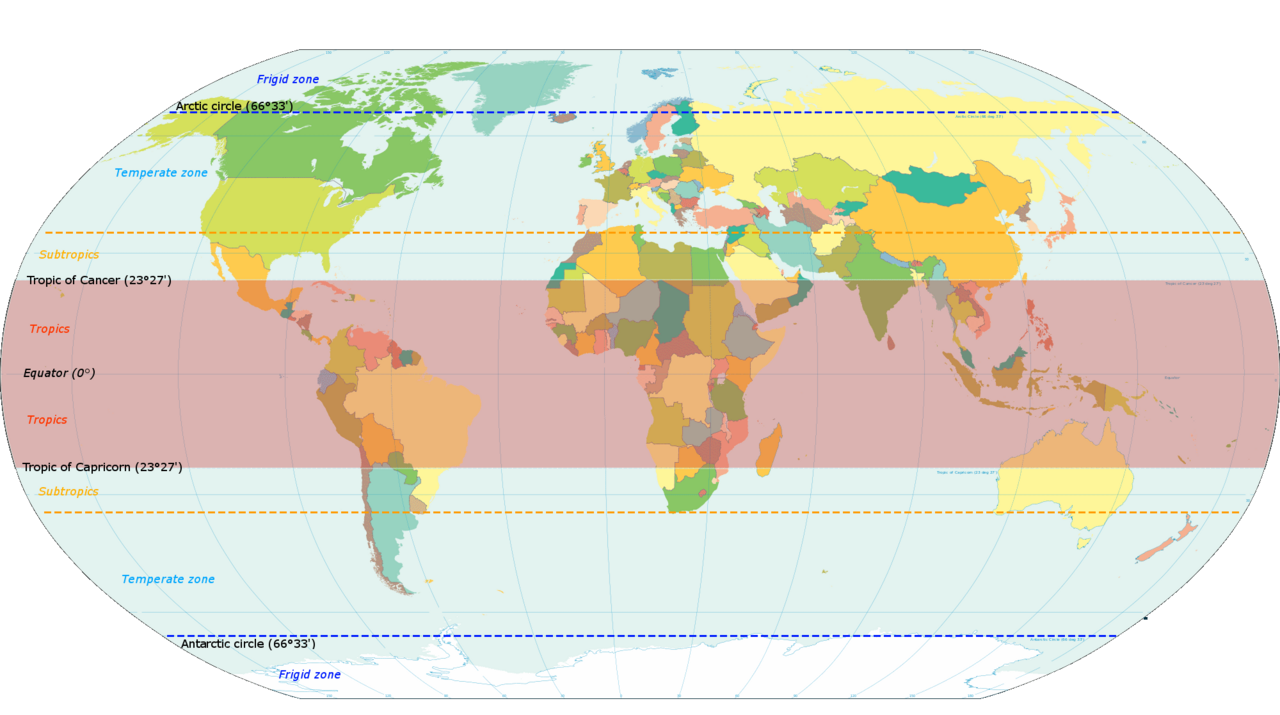



Definition and astronomical cause
By definition, all places within the tropics experience the Sun at the zenith — directly overhead — at least once each year. That behaviour results from the tilt of Earth’s axis: the Sun’s declination moves north and south across the globe during the year (the Sun's apparent movement), so the band between the two tropics receives the most direct solar radiation on average. In human geography and many popular uses, “tropical” is often shorthand for warm, humid regions, but latitude and climate are not identical categories.
Climate types and biomes
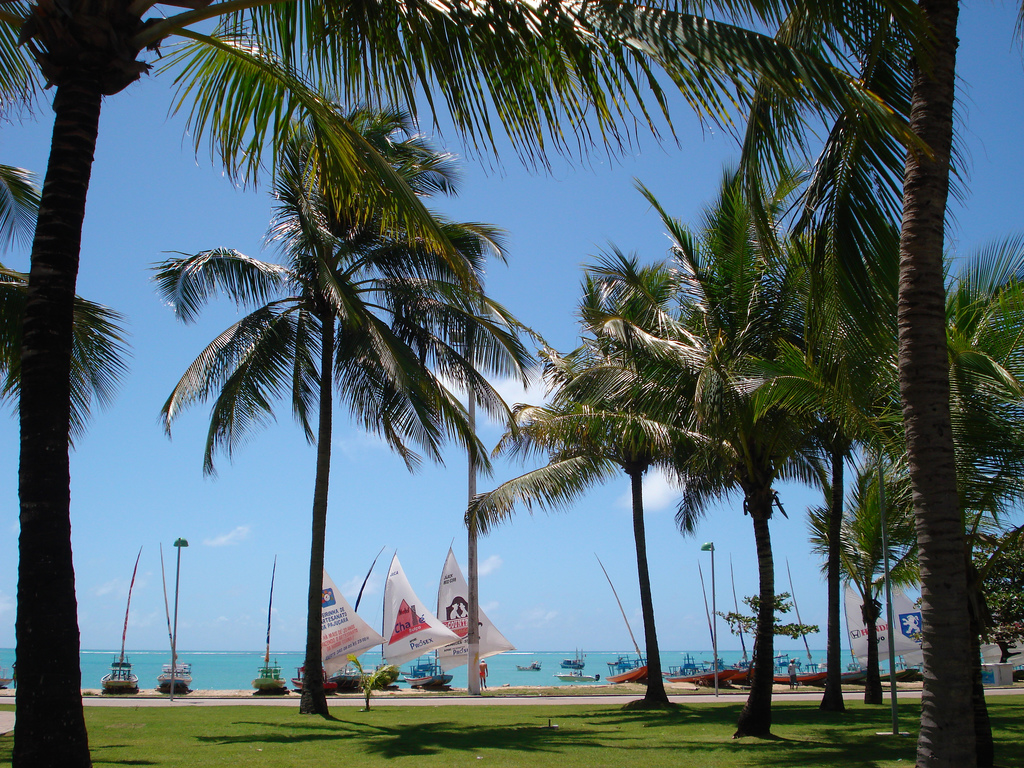
The tropics contain a wide array of climates and landscapes. A classic tropical climate is warm year-round with abundant rainfall, supporting dense tropical rainforests and complex ecosystems. Yet the tropics also host dry zones, seasonal savannas and montane environments. The general term climate masks great local variation:
- Tropical rainforests and wet equatorial forests with persistent humidity.
- Monsoon-influenced regions with distinct wet and dry seasons (see below).
- Tropical grasslands and savannas that alternate growth and drought.
- Arid deserts — for example the Atacama Desert — and parts of the Sahara and other subtropical deserts.
- High-elevation alpine zones where alpine tundra and even permanent snow can exist despite tropical latitude, as on Mauna Kea, Mt. Kilimanjaro and ranges such as the Andes extending into northern Chile and Argentina.
- Remote arid interiors such as parts of the Northern Australian Outback.
Biodiversity, people and cultural landscapes
The tropics contain some of the planet’s richest biological diversity, including many endemic plants and animals. Tropical ecosystems support complex food webs and provide ecosystem services that people depend on: food, timber, medicines and water regulation. Human societies in the tropics range from dense megacities to small rural communities; cultural adaptations commonly reflect seasonal patterns of rainfall, flooding and dry periods. Agricultural systems and urban planning in tropical regions must account for these environmental cycles and the diversity of local conditions.
Seasons, weather systems and hazards
In many tropical locations the main seasonal contrast is between wet and dry periods rather than the temperate pattern of four seasons. These wet/dry cycles are often driven by shifting wind patterns and large-scale monsoon systems (monsoons). Tropical ocean areas are also the birthplace of powerful storms: tropical cyclones (also called hurricanes or typhoons in some regions) form over warm seas and can move into subtropical and temperate latitudes, bringing wind, rain and storm surges.
Notable distinctions and concluding remarks
It is important to distinguish latitude from climate: being inside the tropics does not guarantee a uniformly hot or humid environment. Elevation, ocean currents, continental position and prevailing winds can produce cool highlands, deserts or seasonal climates within tropical latitudes. The tropics remain critical for global climate dynamics, biodiversity and human livelihoods, and their varied landscapes continue to draw scientific interest and international conservation efforts. For further reading on maps, climate data and regional studies see additional resources linked here: maps, latitudinal limits, climate types, monsoon studies, and tropical cyclone research.
Related articles
Author
AlegsaOnline.com Tropics (the Earth's tropical zone) Leandro Alegsa
URL: https://en.alegsaonline.com/art/101735