
Tschappina — mountain municipality in Graubünden, Switzerland
Tschappina is a small alpine municipality in the Hinterrhein district of Graubünden, Switzerland, notable for dispersed hamlets, alpine pastures, traditional mountain farming and low-key rural tourism.
Tschappina is a small mountain municipality in the district Hinterrhein of the canton Graubünden in Switzerland. The local territory is typical of high Alpine regions: steep slopes, scattered hamlets, summer alpine meadows and wooded valleys. The landscape supports seasonal farming, forestry and outdoor recreation.
Image gallery
2 Images
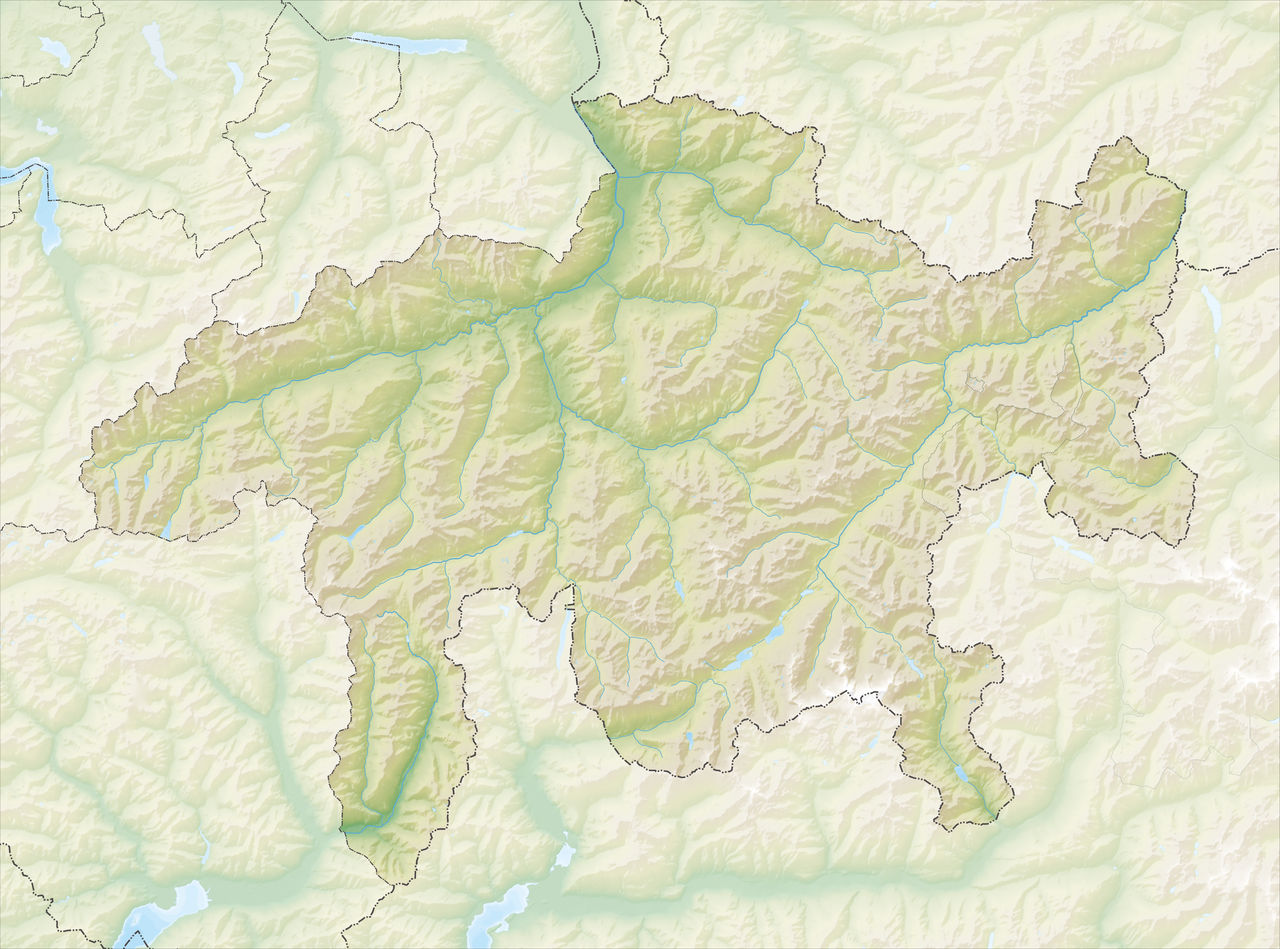
Geography and landscape
The municipality lies within a mountainous catchment that drains toward the Rhine. Elevation changes create distinct vegetation zones from mixed montane forest to high alpine grassland. Pastures (alps) are used in summer for grazing and form a characteristic patchwork of fields and stone paths. The terrain offers panoramic views, narrow valley roads and access to mountain trails suitable for hiking and nature observation.
History and development
Tschappina has roots in the medieval settlement patterns of the Alps and developed through mountain agriculture and local resource use. Over centuries, communities here adapted seasonal patterns of life to the demands of climate and elevation. Administrative arrangements evolved with cantonal reforms; today the municipality functions within modern cantonal and federal systems while preserving many rural traditions.
Population, language and culture
The population is small and dispersed across several villages and farmsteads. German is the principal language in daily use, reflecting broader linguistic patterns of this part of Graubünden; Romansh and Italian are part of the cantonal cultural background. Local culture emphasizes alpine farming practices, seasonal festivals, and traditional architecture such as timber and stone houses adapted to mountain conditions.
Economy, transport and recreation
Local economic activity combines agriculture (particularly grazing and dairy), forestry and small-scale tourism aimed at visitors seeking quiet nature experiences rather than large resorts. Recreational opportunities include walking, bird and wildlife observation, and simple mountain routes. Road connections link Tschappina to regional centers; in winter some routes can be narrow or affected by snow, and public transport links are typically provided by regional services.
Environment and visiting
Alpine ecosystems around Tschappina are valued for biodiversity and traditional land use that maintain open pastures and species-rich meadows. Visitors are encouraged to respect local farming activity and seasonal grazing. For practical information consult the municipal information, regional contacts at district services, wider planning and visitor guidance from cantonal guides, tourism resources at Graubünden tourism and national overviews via Swiss authorities.
Related articles
Author
AlegsaOnline.com Tschappina — mountain municipality in Graubünden, Switzerland Leandro Alegsa
URL: https://en.alegsaonline.com/art/101862
Sources
- bfs.admin.ch : "Arealstatistik Standard - Gemeinden nach 4 Hauptbereichen"
- bfs.admin.ch : "Ständige Wohnbevölkerung nach Staatsangehörigkeitskategorie Geschlecht und Gemeinde; Provisorische Jahresergebnisse; 2018"