
Tropical climate
Climate type found in the Earth's tropics with year‑round warm temperatures and distinct wet and dry patterns; includes rainforest, monsoon and savanna variants and important ecological and human impacts.
Overview
A tropical climate is a broad category of climates located around the equatorial belt where temperatures remain high year‑round. By the usual definition, every month has a mean temperature above 18°C. Tropical climates are strongly influenced by the position of the sun, prevailing winds and large atmospheric circulation features; they support some of the planet's most diverse ecosystems and major rainforests.
Image gallery
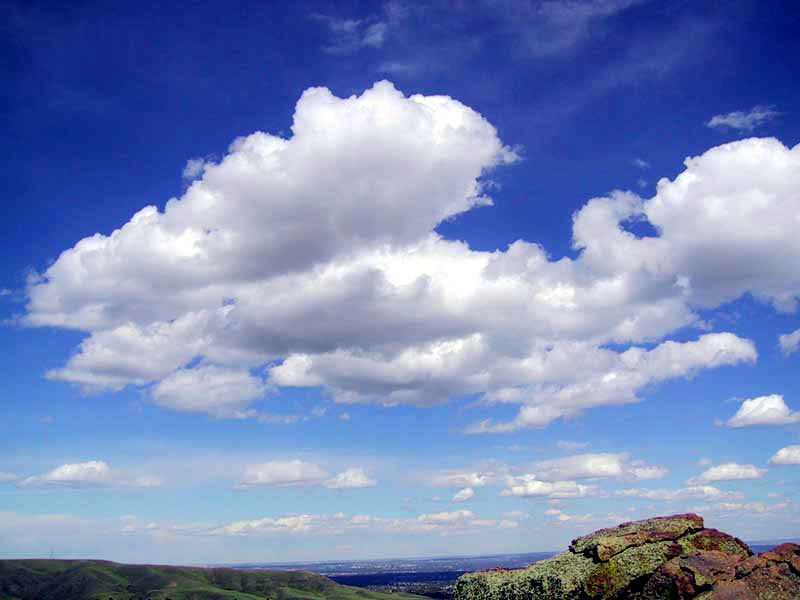
3 Images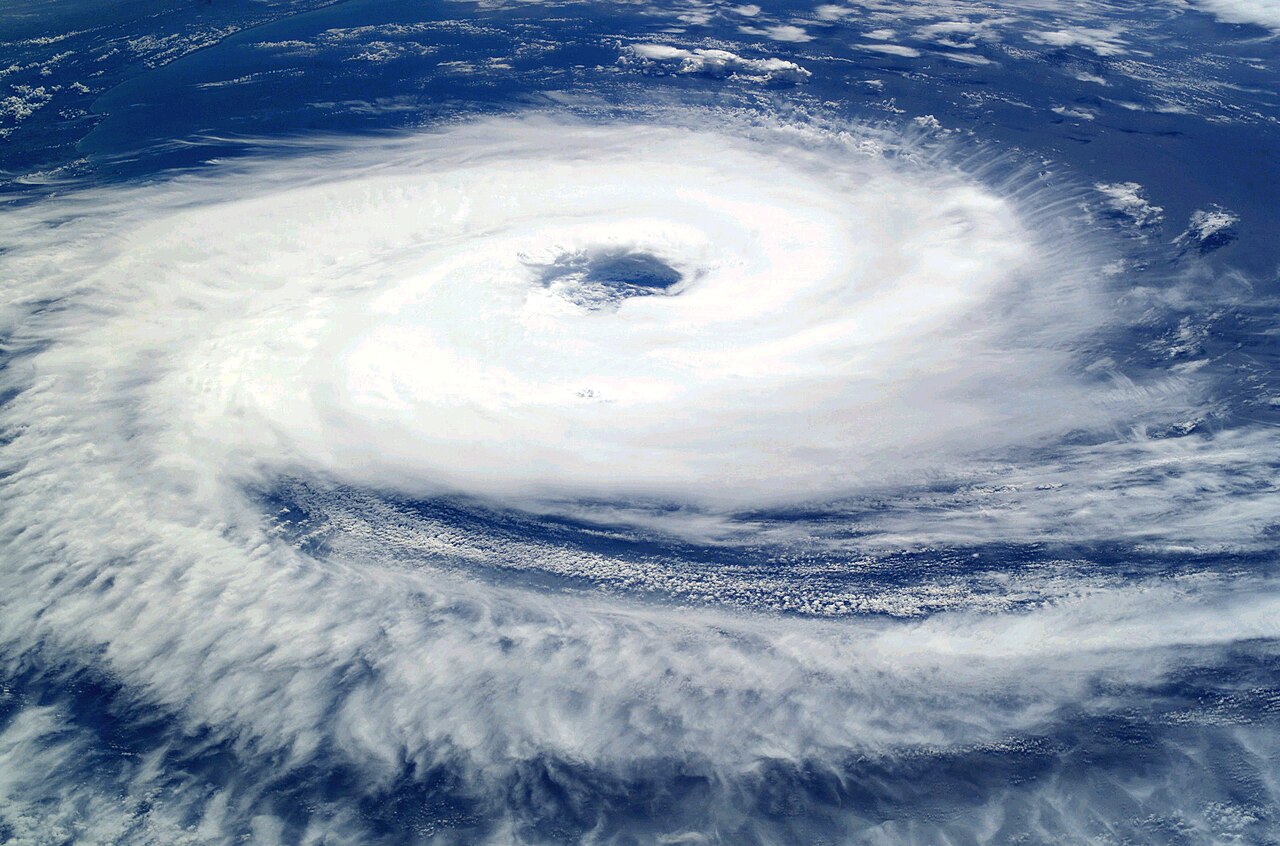

Main types and characteristic features
Climatologists commonly distinguish several tropical subtypes within the Köppen system. These include:
- Tropical rainforest (Af) — consistently wet throughout the year, with heavy daily or seasonal rains and dense closed‑canopy forests.
- Tropical monsoon (Am) — a pronounced wet season driven by seasonal wind shifts and a short drier spell.
- Tropical savanna (Aw/As) — a clear division between a long dry season and a wet season, which favors grasslands with scattered trees.
Key metrics that define these climates include stable high mean monthly temperatures and varying patterns of precipitation. Some places receive rain nearly every afternoon, while others have alternating wet and dry months due to monsoon dynamics (monsoon).
Atmospheric causes and seasonal behavior
The movement of the Intertropical Convergence Zone (ITCZ), trade winds and large ocean‑atmosphere phenomena such as El Niño shape rainfall timing and intensity. Regions near the equator often experience afternoon convectional showers, whereas monsoon regions undergo seasonally reversing winds that bring prolonged rains. For scientific context see general climate classification resources and descriptions of the tropics.
Vegetation, human uses and challenges
Tropical climates sustain rainforests, savannas and mangroves, supporting rich biodiversity and important carbon stores. Economies in these zones cultivate crops adapted to heat and seasonal rains — for example cassava, cocoa and rice — and also raise livestock on savannas. At the same time tropical regions face challenges such as vector‑borne diseases, soil depletion after deforestation, and sensitivity to changing rainfall patterns.
Notable examples and exceptions
Largest tropical rainforest areas include the Amazon (Amazon rainforest) and the Congo Basin, while extensive savannas occur in parts of Africa and South America (savannas). High elevations near the equator produce cooler conditions; tall peaks like Mount Kilimanjaro rise above typical tropical conditions and can have alpine or glaciated zones despite their tropical location.
Understanding tropical climates requires integrating temperature criteria, seasonal rainfall patterns and regional atmospheric drivers. Their ecological value and the human dependence on tropical lands make these climates central to discussions of biodiversity, agriculture and climate change impacts.
Related articles
Author
AlegsaOnline.com Tropical climate Leandro Alegsa
URL: https://en.alegsaonline.com/art/101656