
Andes — the mountain range of western South America
The Andes are a continuous mountain system along South America's western edge, stretching ~7,000 km through multiple countries. They shape climate, biodiversity, river sources and human cultures.
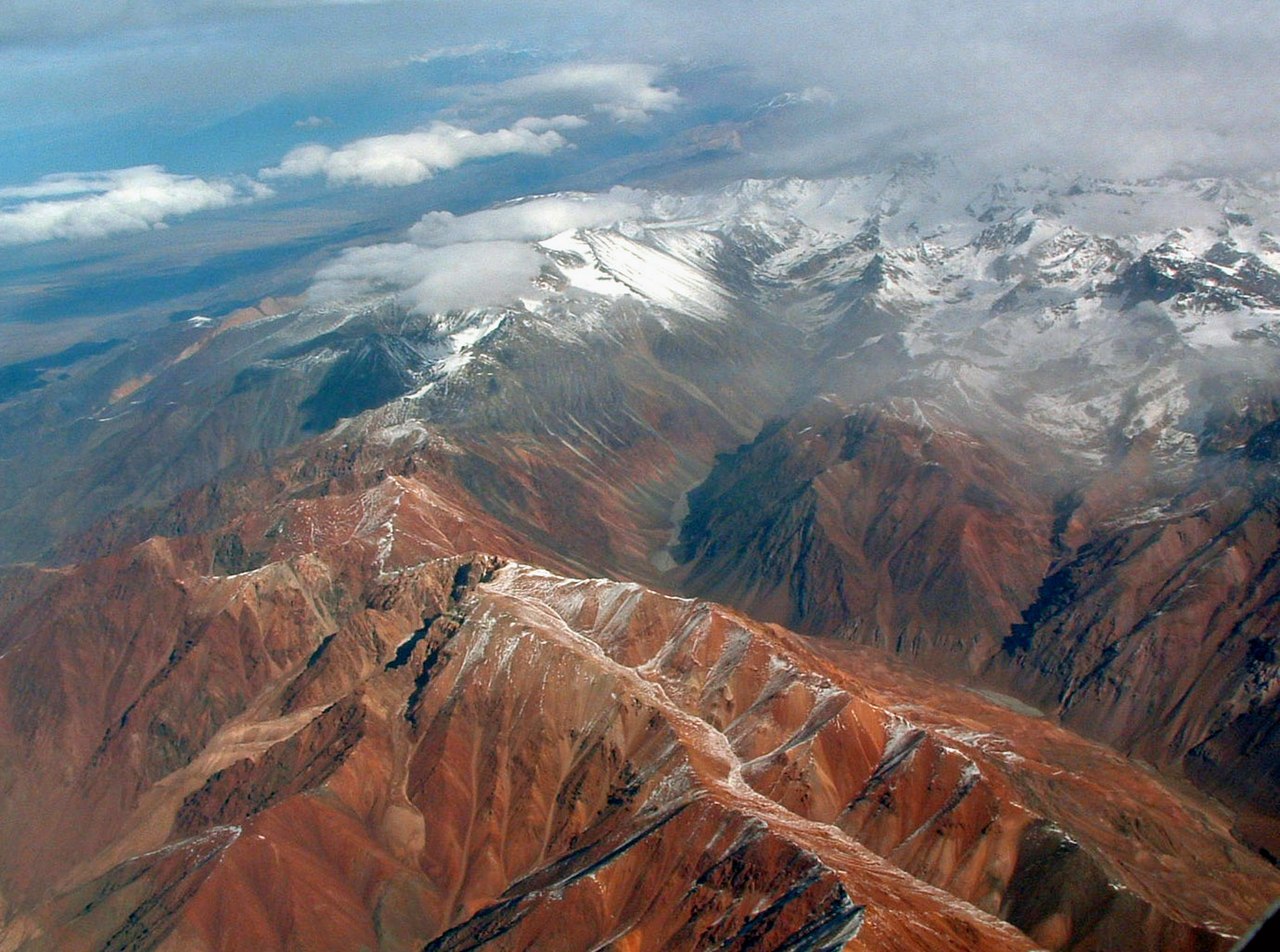
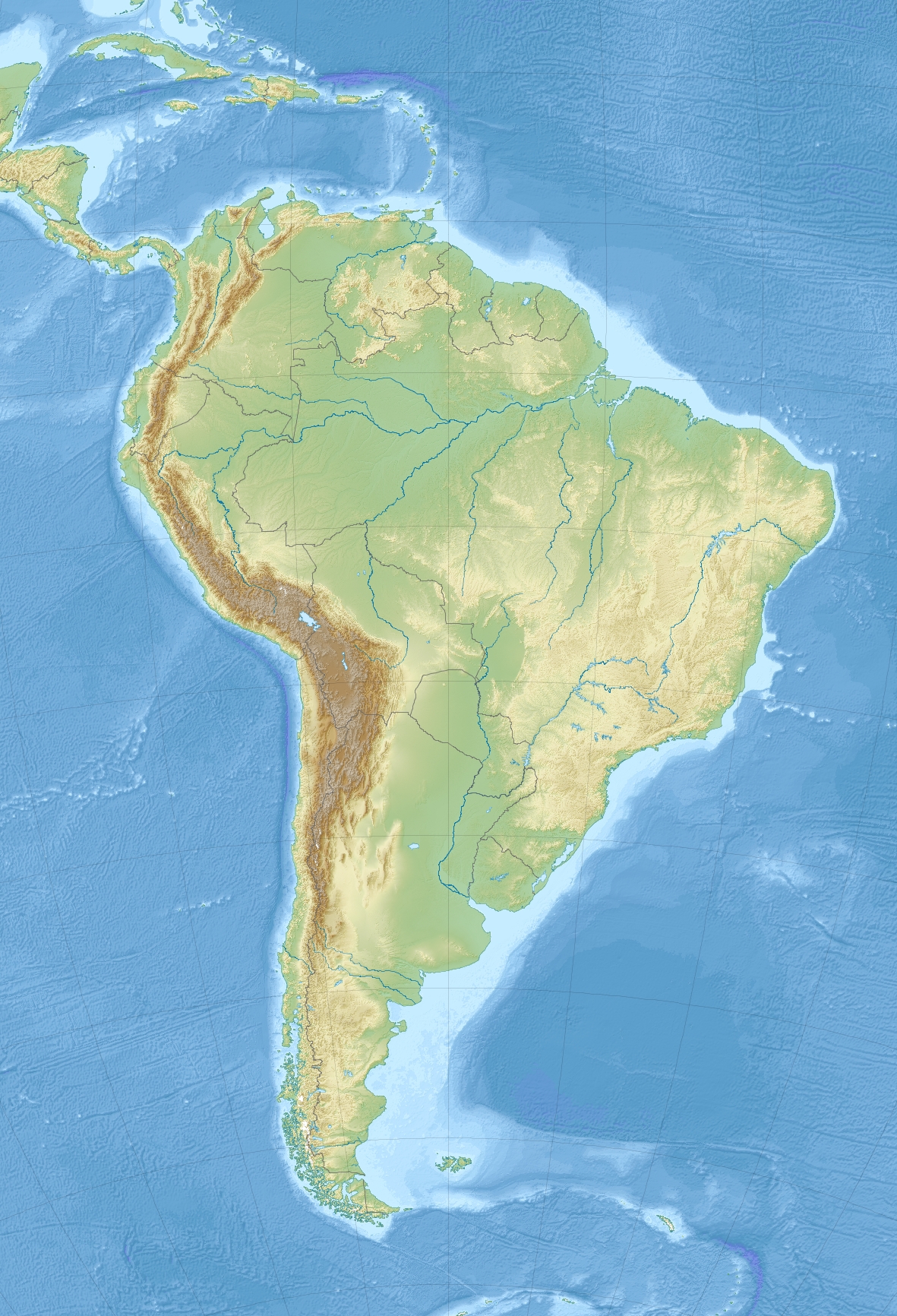
The Andes are the principal mountain chain of South America, running along the western coast of South America. They extend for roughly 7,000 km (about 4,400 miles) from the southern cone northward, crossing or bordering several nations from Argentina and Chile in the south through Peru, Bolivia and Ecuador up to Colombia and parts of Venezuela. This long cordillera is the longest exposed mountain range on Earth and the highest mountain system outside Asia, ranking second in maximum elevation after the Himalayas and thus the tallest range outside Asia.
Image gallery
10 Images



Geology and formation
The Andes were built primarily by the ongoing subduction of the oceanic Nazca Plate beneath the continental South American Plate. This convergent tectonic activity has produced uplift, folding and thickening of the crust along with widespread volcanic activity. Volcanism and earthquakes remain common features of the chain; many high peaks are volcanic in origin. The range includes both ancient metamorphic cores and younger volcanic edifices, reflecting a complex tectonic history that continues today.
Peaks and hydrology
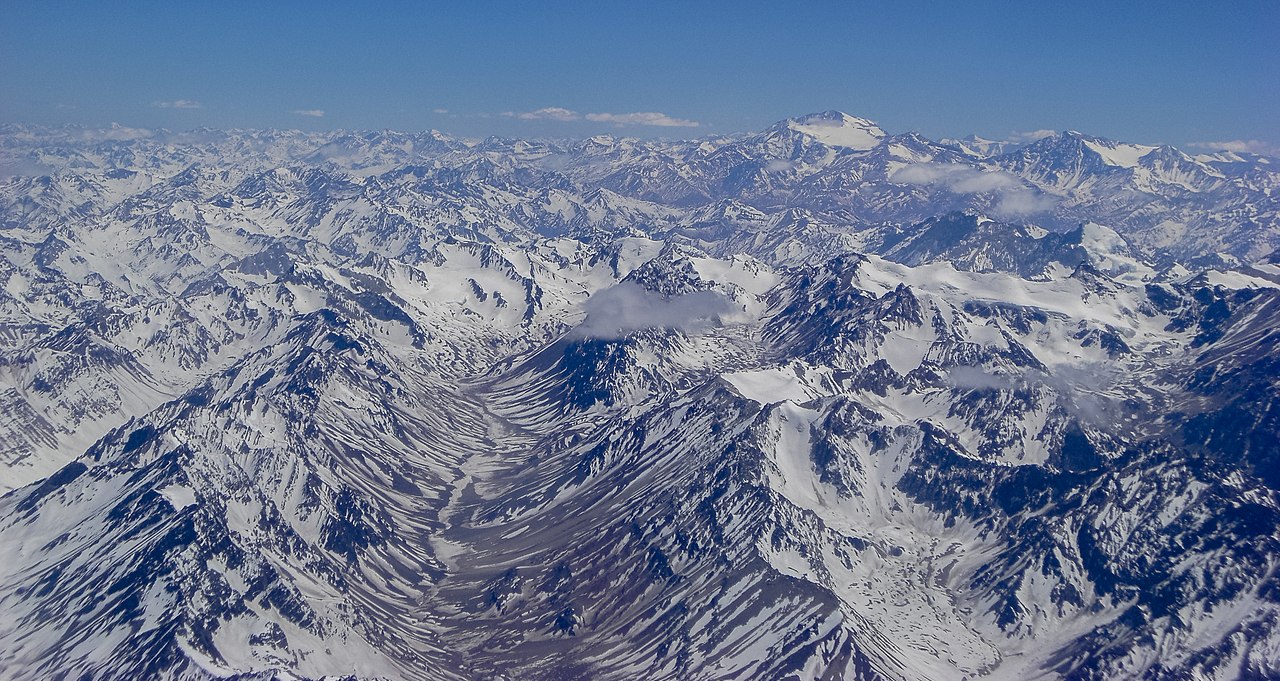
The highest summit in the Andes is Aconcagua, which rises to about 6,962 m above sea level. Other prominent Andean summits include volcanoes and non-volcanic massifs across the belt. The eastern slopes of the mountains feed major river systems: many tributaries that become the Amazon have their headwaters in Andean highlands, and Andean glaciers and wetlands are crucial freshwater sources for downstream ecosystems and cities.
Ecology and highland environments
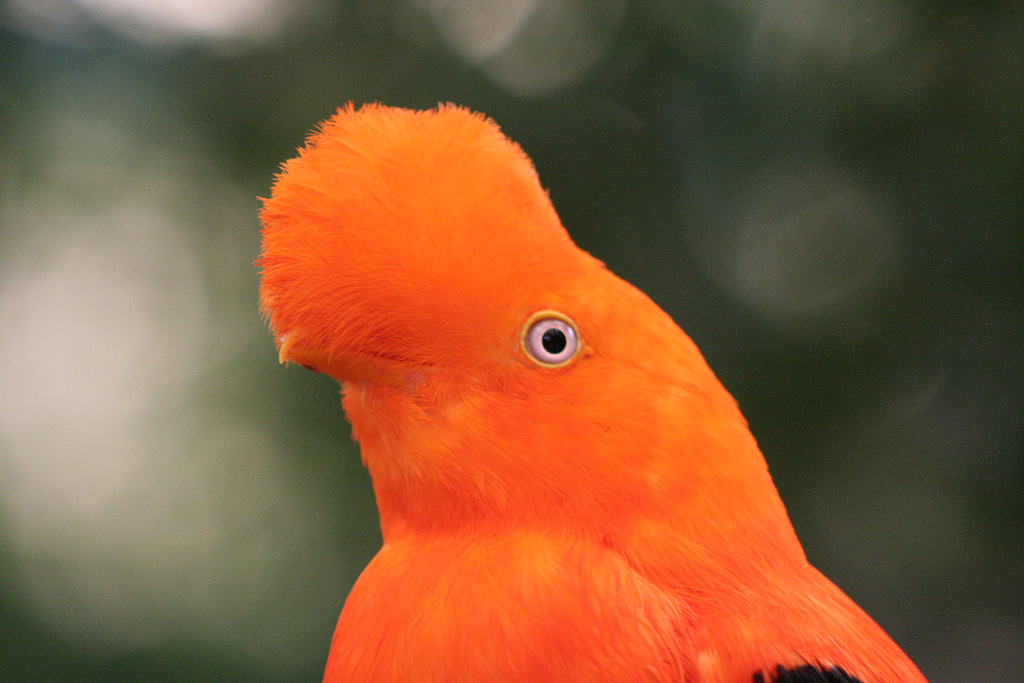
Because the range runs through many latitudes and rises from sea level to high peaks, the Andes display pronounced altitudinal zonation. Vegetation changes with elevation from coastal deserts and lowland forests to cloud forests, montane woodlands, and high-elevation grasslands such as puna and páramo. These varied habitats support distinctive wildlife, including camelids (llama, alpaca, vicuña) and the Andean condor, and host numerous endemic plant and animal species adapted to steep climatic gradients.
Human history and economy
Human societies have occupied Andean environments for millennia. Complex pre-Columbian civilizations, most notably the Inca empire, engineered terraces, irrigation and road systems adapted to steep slopes. Today the Andes remain densely inhabited in many regions and are economically important for mining, agriculture (potatoes, quinoa and highland tubers), hydropower and tourism. High-altitude archaeological sites and mountain treks attract international visitors while many communities maintain traditional livelihoods and cultural practices.
Notable facts
- The Ecuadorian peak Mount Chimborazo is an eroded volcano whose summit is the point on Earth farthest from the planet's center because of the equatorial bulge; it is classified as an inactive volcano.
- Andean glaciers, though smaller than those in polar regions, are key water reserves and have been sensitive to climate variations.
- The Andes influence continental climate patterns, acting as a barrier to moisture and shaping rainfall distribution on both their windward and leeward sides.
For readers seeking maps, geological overviews or cultural histories, consult specialized atlases and regional studies that treat individual Andean countries and ecosystems in greater detail. Additional resources and databases provide updated information on seismicity, glacier change and biodiversity inventories for Andean regions.
Questions and answers
Q: Where are the Andes located?
A: The Andes are a mountain range along the western coast of South America, stretching over 7,000 km / 4,400 miles from the south of Argentina and Chile to the north of Colombia. They are also found in Peru, Bolivia and Ecuador.
Q: How long is the Andes mountain range?
A: The Andes is the longest exposed mountain range in the world, stretching over 7,000 km / 4,400 miles.
Q: What is the highest peak in the Andes?
A: Aconcagua is the highest peak in the Andes at 6,962 m (22,841 ft) above sea level.
Q: Where does Amazon river system have its sources?
A: The Amazon river system has its sources on eastern flanks of the Andes.
Q: What is Mount Chimborazo?
A: Mount Chimborazo is an inactive volcano in Ecuador which last erupted over a thousand years ago and it's point on Earth's surface most distant from its center.
Q: Is Mount Chimborazo still active?
A: No, Mount Chimborazo is an inactive volcano which last erupted over a thousand years ago.
Tags
Related articles
Author
AlegsaOnline.com Andes — the mountain range of western South America Leandro Alegsa
URL: https://en.alegsaonline.com/art/3916
Sources
- commons.wikimedia.org : Andes
- andes.zoom-maps.com : Andes travel map
- blueplanetbiomes.org : "Climate of the Andes"
- blueplanetbiomes.org : "Plants of the Andes"
- biodiversityhotspots.org : Tropical Andes