
Mauna Kea — White Mountain of Hawaii
Mauna Kea is a dormant shield volcano on the island of Hawaii, the state's highest peak and an important site for astronomy, ecology, and Native Hawaiian culture.
Mauna Kea is a large, dormant shield volcano on the island of Hawaii. Its summit reaches about 4,205 meters (13,796 feet) above sea level, making it the highest point in Hawaii. When measured from its base on the ocean floor to its summit, Mauna Kea rises roughly 10,200 meters, a figure that often prompts the comparison to taller mountains when judged by base-to-peak height rather than elevation above sea level. The mountain’s Hawaiian name means "white mountain," a reference to frequent winter snowfall near the summit.
Image gallery
10 Images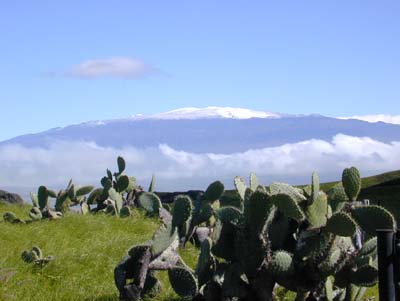
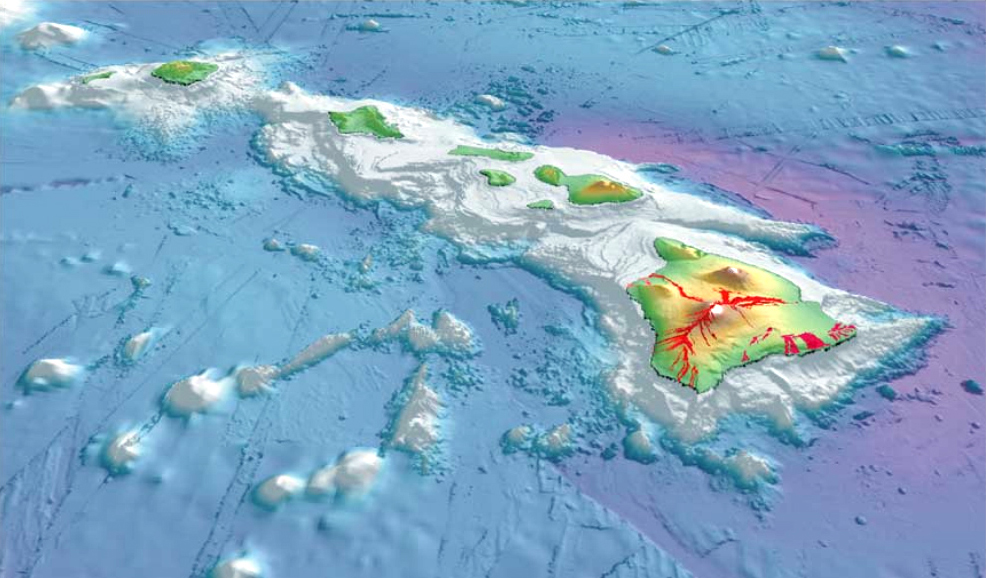

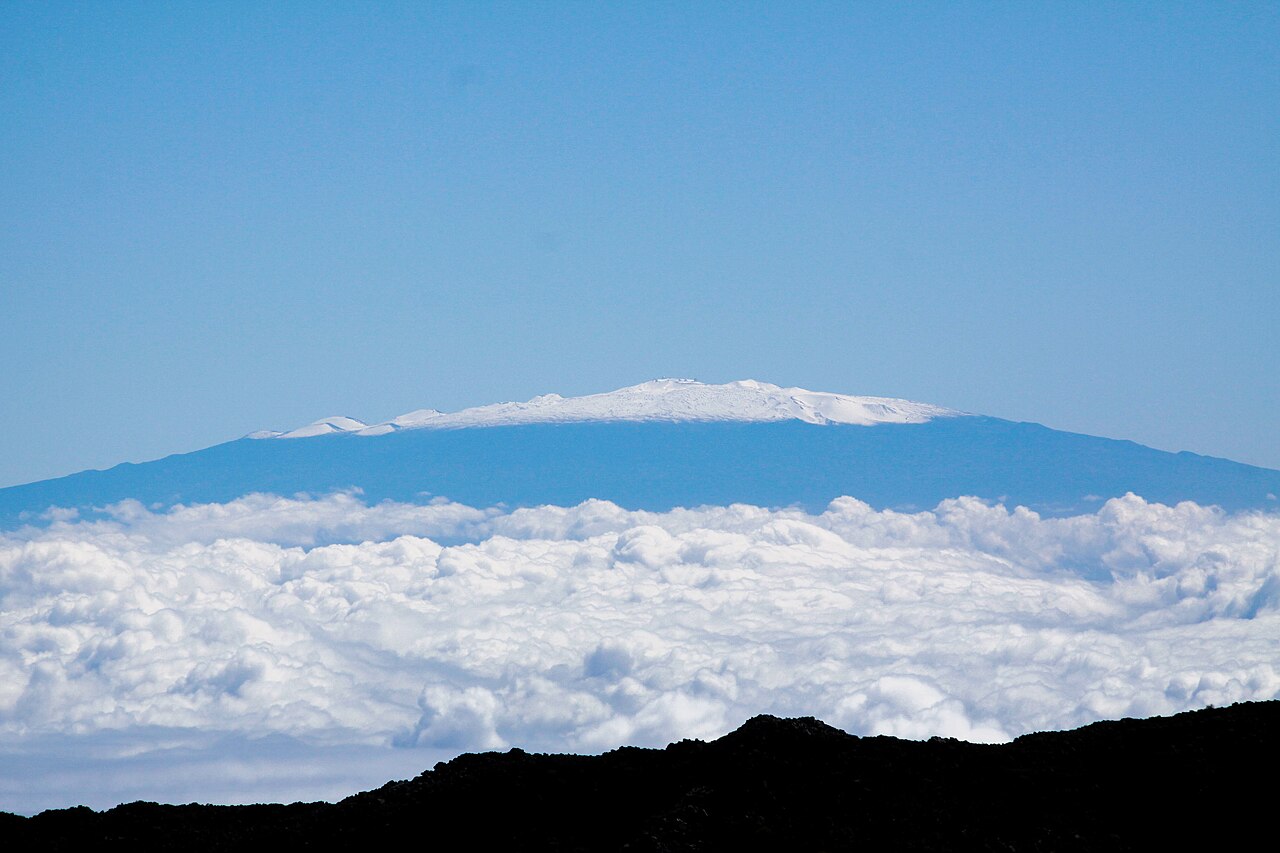

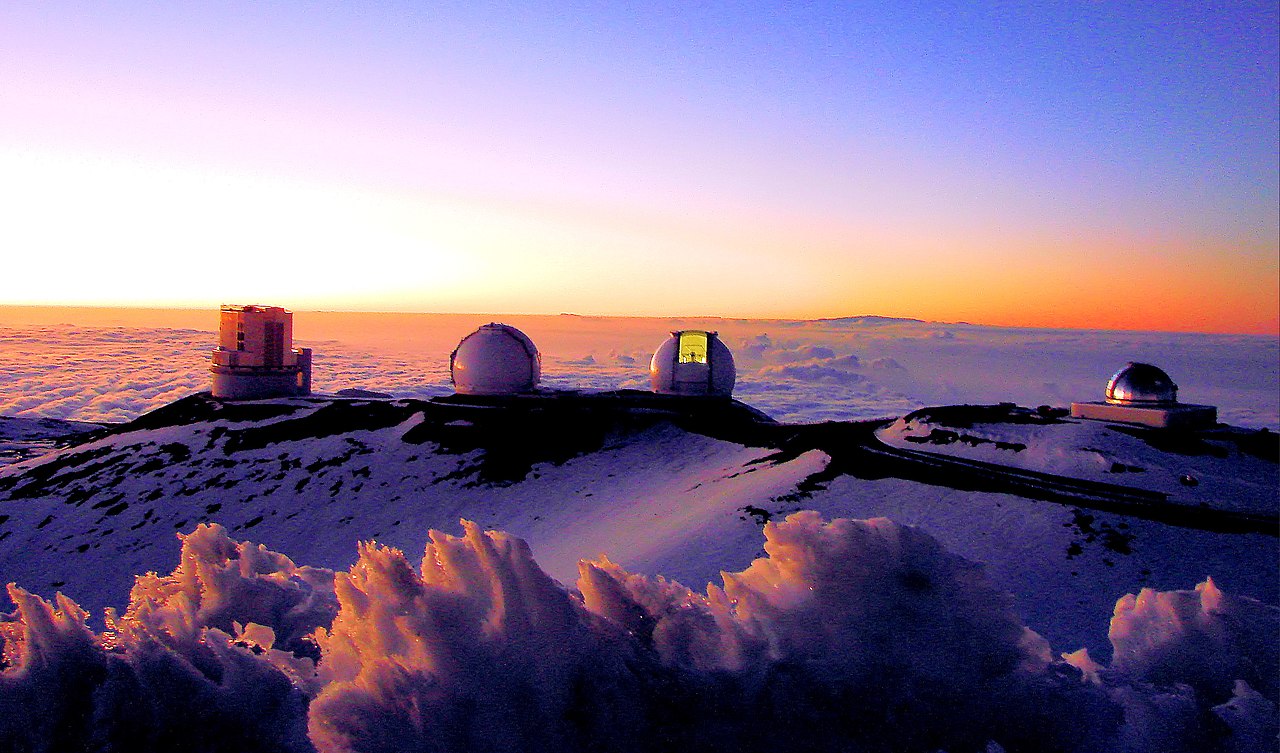


Geology and physical characteristics
Mauna Kea is a shield volcano produced by repeated, relatively low-viscosity lava flows that built broad, gently sloping flanks. The summit area includes cinder cones and a late-stage volcanic cap related to its most recent eruptive phases. Although it is currently classified as dormant, its volcanic activity is relatively young in geological terms; the main shield formed over hundreds of thousands of years. The summit’s high elevation creates an alpine climate with thin air, low temperatures, and intermittent snow during winter months.
Cultural and scientific importance
The summit and surrounding slopes of Mauna Kea hold great cultural and spiritual significance for many Native Hawaiian communities. At the same time, the mountain is one of the world’s premier sites for ground-based astronomy. Its high altitude, stable atmosphere, and low levels of light pollution provide excellent observing conditions, and a collection of international observatories and telescopes occupy the summit area. This combination of cultural value and scientific utility has led to complex discussions about stewardship, land use, and conservation.
Ecology and conservation
Mauna Kea supports a range of ecosystems from tropical forest on the lower slopes to alpine desert near the top. Unique, often fragile plant and invertebrate species adapted to high elevations occur on and around the mountain. Conservation efforts focus on protecting these endemic organisms, controlling invasive species, and managing human impacts from recreation, research facilities, and access roads.
Notable facts and comparisons
- Elevation above sea level: about 4,205 m (13,796 ft).
- Base-to-summit height (including underwater portion): roughly 10,200 m, which is why Mauna Kea is sometimes described as the tallest mountain on Earth by that measure.
- Age: the volcano’s main edifice formed over the last million years or so, with later eruptions building summit features.
For more information on Mauna Kea’s geology and ongoing research, see materials about the dormant volcano itself and the broader Hawaiian Islands. These sources can provide deeper context about the mountain’s formation, cultural significance, and the science conducted at its summit.
Related articles
Author
AlegsaOnline.com Mauna Kea — White Mountain of Hawaii Leandro Alegsa
URL: https://en.alegsaonline.com/art/62939
Sources
- ifa.hawaii.edu : "List of Telescopes on Mauna Kea Website"
- wikidata.org : wikidata.org/wiki/Q131230
- catalogue.bnf.fr : cb125097848
- data.bnf.fr : (data)
- d-nb.info : 4115045-4
- id.loc.gov : sh87002618
- catalog.archives.gov : 10047052
- viaf.org : 247677643
- worldcat.org : viaf-247677643