
Alpine tundra: high‑mountain ecosystems above the treeline
High-elevation biomes above the treeline where trees cannot grow. Alpine tundra occur worldwide, vary with latitude and maritime influence, and host specialized plants, animals, and important ecological functions.
Overview
Alpine tundra is the plant and animal community that occupies the high-elevation band of mountains above the treeline but below the permanent snowline. Conditions are cold, winds are often strong, and the growing season is short; nonetheless snow typically melts seasonally. These ecosystems occur on most continents and at a wide range of elevations that depend on latitude and distance from the ocean. In some regions the alpine begins near 3,000 m (about 10,000 ft), while closer to the poles it can occur at much lower heights. For a general geographic context see physical geography resources.
Image gallery
10 Images




Environment and vegetation
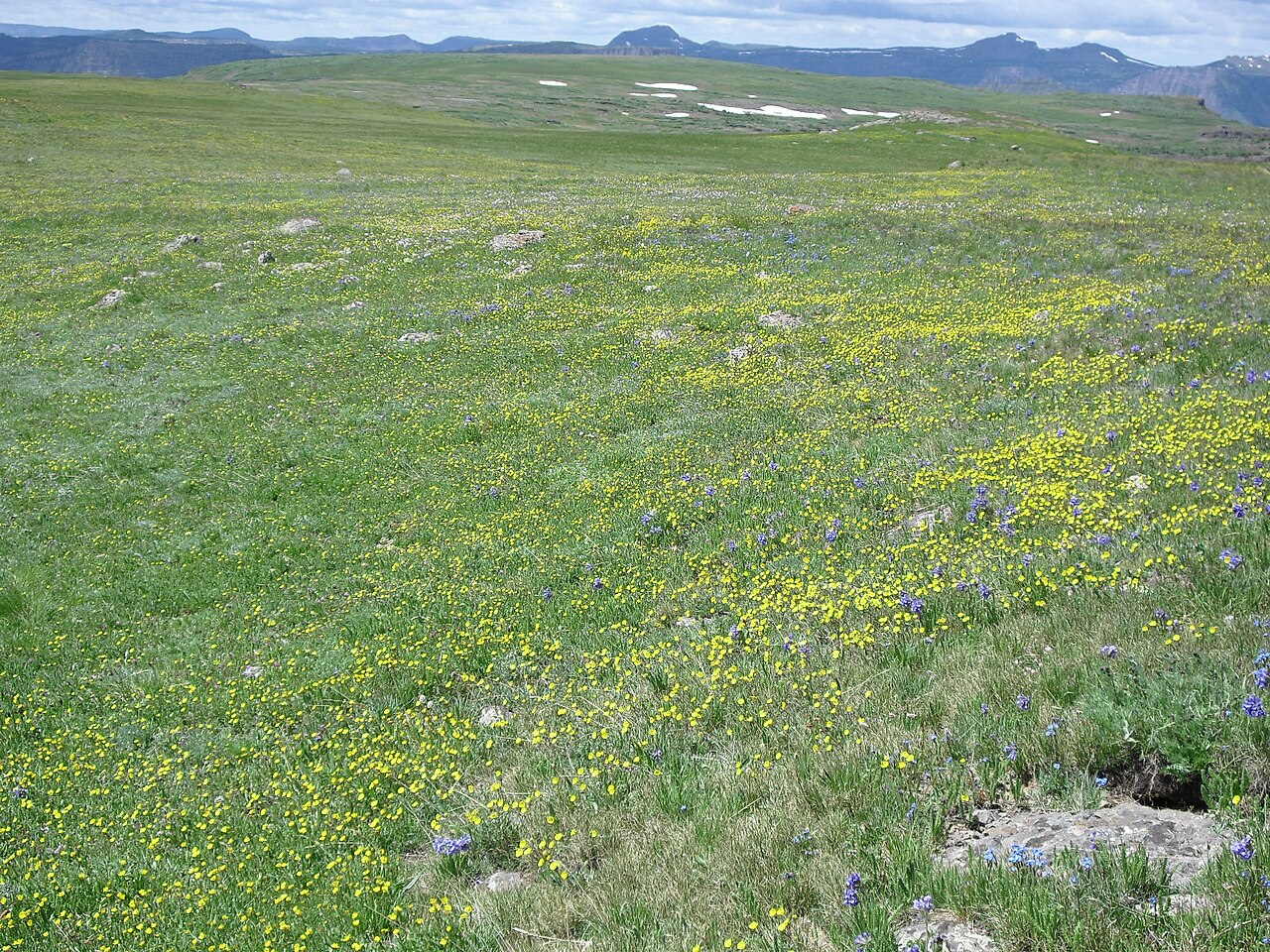
The alpine zone is characterized by low temperatures, high diurnal temperature swings, intense sunlight, and thin, often rocky soils. Vegetation tends to be low-growing and stress-tolerant: grasses, sedges, dwarf shrubs, cushion plants, mosses and lichens dominate. Perennial herbs and mat-forming species are common because they reduce heat and water loss and survive snow cover. Soil development is slow and organic layers are typically thin.
Common adaptations
- Compact growth forms (cushions, mats) that reduce wind exposure and retain heat.
- Low stature and dark foliage to absorb solar radiation.
- Deep or extensive root systems for anchoring in thin soils and accessing scarce moisture.
- Rapid reproductive strategies timed to short growing seasons.
Animals and ecological roles
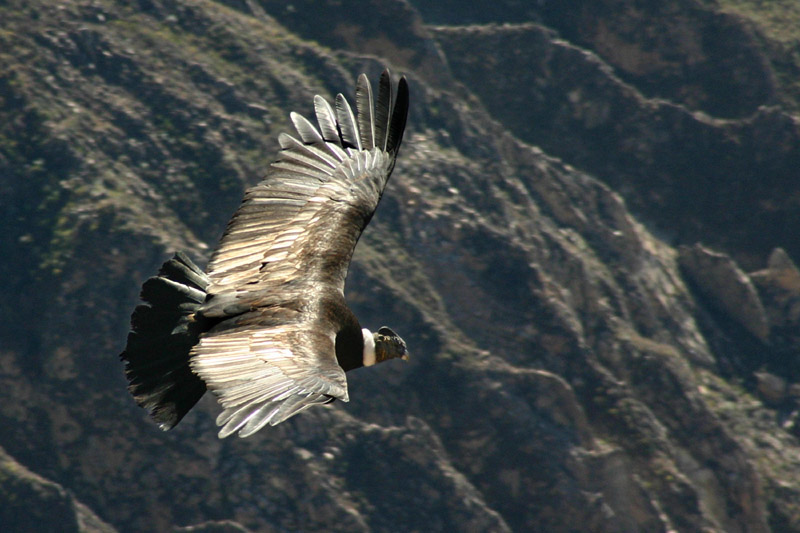
Fauna include insects, small mammals (such as pikas and marmots in some mountains), ground-nesting birds, and seasonally visiting large herbivores. Many animals use behavioral or physiological adaptations—seasonal migration, hibernation, dense fur, or fat storage—to cope with cold and food scarcity. Alpine tundra play a key role in water regulation for downstream valleys, provide unique biodiversity, and often act as refuges for cold-adapted species.
Human uses, threats, and conservation
People have long used alpine zones for grazing, seasonal travel routes, and cultural practices. Today these areas attract tourism and scientific study. Major threats include climate change, which is shifting treelines upslope and altering snow patterns; increased recreational pressure; introduced species; and local overgrazing. Conservation emphasizes protecting elevational gradients, reducing disturbance, and monitoring sensitive species.
Distinctions and notable examples
Alpine tundra differs from arctic tundra primarily in location: alpine occurs on mountains and is defined by elevation, while arctic tundra occurs at high latitudes regardless of elevation. Notable alpine regions include the Rocky Mountains, the Andes, the Himalayas, East African highlands, and alpine zones of Europe. For further background on latitudinal effects and definitions see related geographic material.
Related articles
Author
AlegsaOnline.com Alpine tundra: high‑mountain ecosystems above the treeline Leandro Alegsa
URL: https://en.alegsaonline.com/art/2989