
Outback (Australia): remote interior landscapes, people and uses
The Outback is Australia's vast, sparsely populated interior—an arid and semi-arid region known for rangelands, mining, tourism and deep Indigenous cultural connections.
Overview
The term "Outback" refers to the broad, remote interior areas of Australia rather than a formally bounded region. It is commonly used to describe places that lie far from major cities and population centres across central and western parts of the country. The concept blends physical features—wide open spaces, low population density and long distances—with cultural ideas about frontier life in Australia. For a general national context see Australia.
Image gallery
7 Images


Landscape and climate
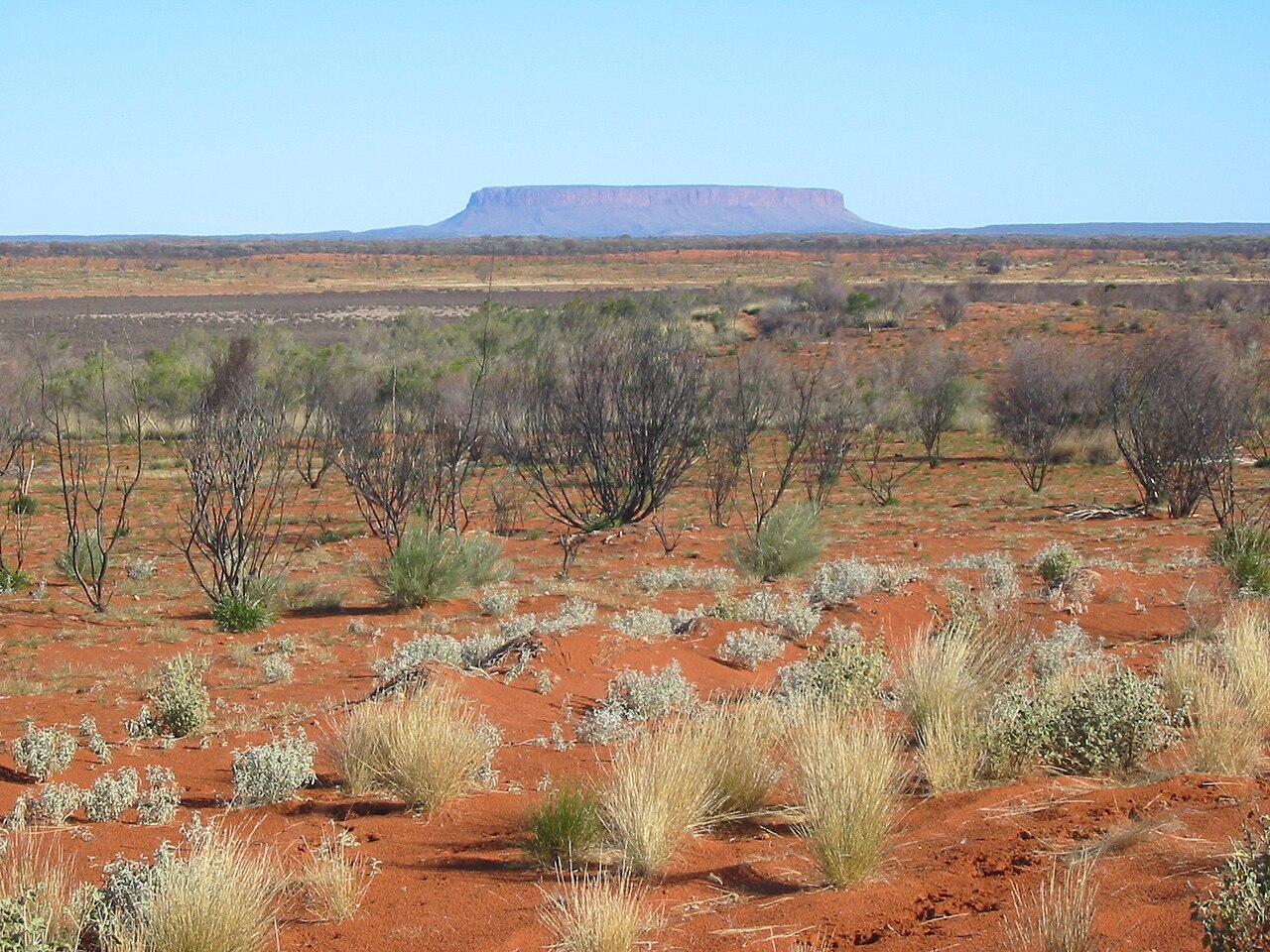
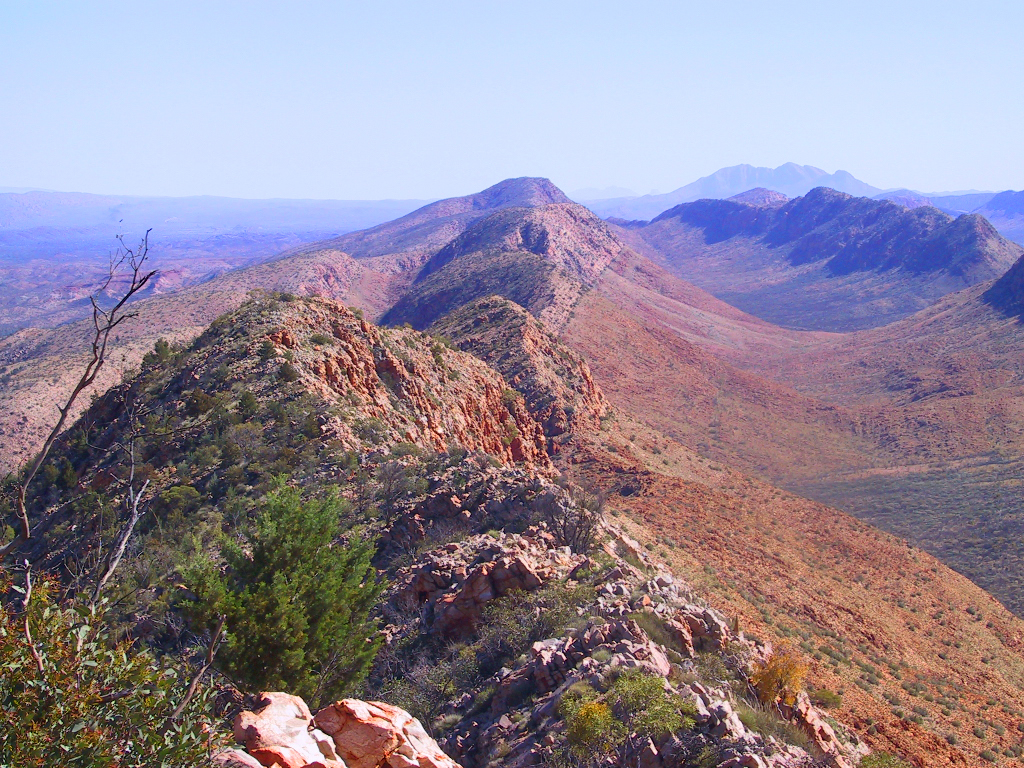
The Outback includes arid deserts, red earth plains, mulga and spinifex scrub, intermittent river systems and occasional ranges. Climate is typically hot with low and variable rainfall, producing ecosystems adapted to drought and fire. Famous desert areas commonly associated with the Outback include the Simpson, Gibson and Great Victoria deserts. Native plants and animals show many specialist adaptations, and iconic features such as Uluru and expansive salt lakes symbolise the region's distinctive geology and colours.
History and human presence
Indigenous Australians have occupied and managed Outback landscapes for tens of thousands of years; their languages, songlines and land management practices are integral to the region's history. European exploration and pastoral settlement from the 19th century introduced sheep and cattle stations, telegraph lines and long-distance droving. Mining booms at different times brought new populations and infrastructure, while many pastoral and Indigenous communities continue to live and work across the region today.
Economy, land use and activities
Economic activity in the Outback centres on a mix of pastoralism, mining, tourism and conservation. Much of the more fertile rangeland supports extensive sheep or cattle grazing, while mineral deposits drive mining operations and associated services. Tourism—outdoor adventure, cultural tourism and remote-stay experiences—contributes to local economies and national heritage. Visitors are often attracted to the sense of scale, night skies and Indigenous cultural sites.
- Pastoralism: extensive stations and stock routes; rangelands and grazing.
- Mining: minerals, metals and energy projects.
- Tourism: remote travel, cultural tours and ecotourism.
- Conservation: reserves, Indigenous land management and biodiversity programs.
Notable facts and contemporary issues
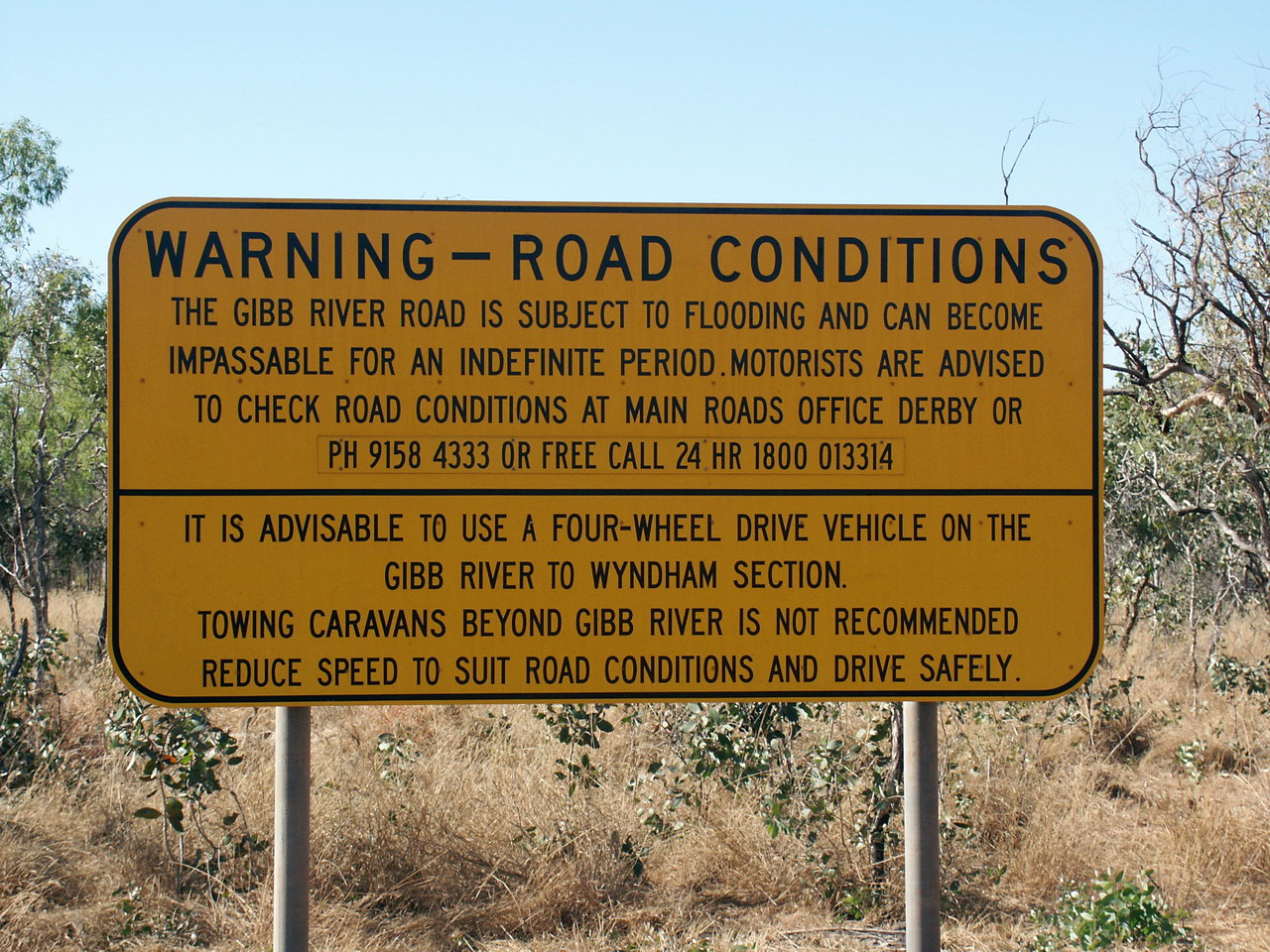
The Outback is notable for its very low population density, long distances between services, and distinctive transport such as road trains. It occupies a strong place in Australian identity and literature. Contemporary challenges include water management, invasive species, bushfire risk and balancing resource development with environmental and Indigenous interests. Travellers are advised to plan carefully, respect local communities and be prepared for remote conditions.
Questions and answers
Q: What is the outback in Australia?
A: The outback is the remote areas of Australia.
Q: Is the outback a defined area?
A: No, the outback is not a defined area. It is only a term used to refer to locations that are far away from big cities.
Q: What are the fertile parts of the outback called?
A: The fertile parts of the outback are known as Rangelands.
Q: What has traditionally been done in the Rangelands?
A: Sheep or cattle farming has traditionally been done in the Rangelands.
Q: What are the main economic activities in the outback?
A: The main economic activities in the outback are agriculture, tourism and mining.
Q: Is the outback a densely populated area?
A: No, the outback is sparsely settled.
Q: Can you find big cities in the outback?
A: No, the outback is far away from big cities.
Related articles
Author
AlegsaOnline.com Outback (Australia): remote interior landscapes, people and uses Leandro Alegsa
URL: https://en.alegsaonline.com/art/73645