
Tropic of Capricorn
A major circle of latitude about 23°26′22″ south of the Equator marking the southernmost latitude at which the Sun can be directly overhead.
Overview
The Tropic of Capricorn is one of the principal circles of latitude encircling the globe. It lies at approximately 23°26′22″ south of the Equator and represents the most southerly point at which the Sun can appear directly overhead. This solar zenith event occurs around the December solstice, when the southern hemisphere is tilted most toward the Sun.
Image gallery
10 Images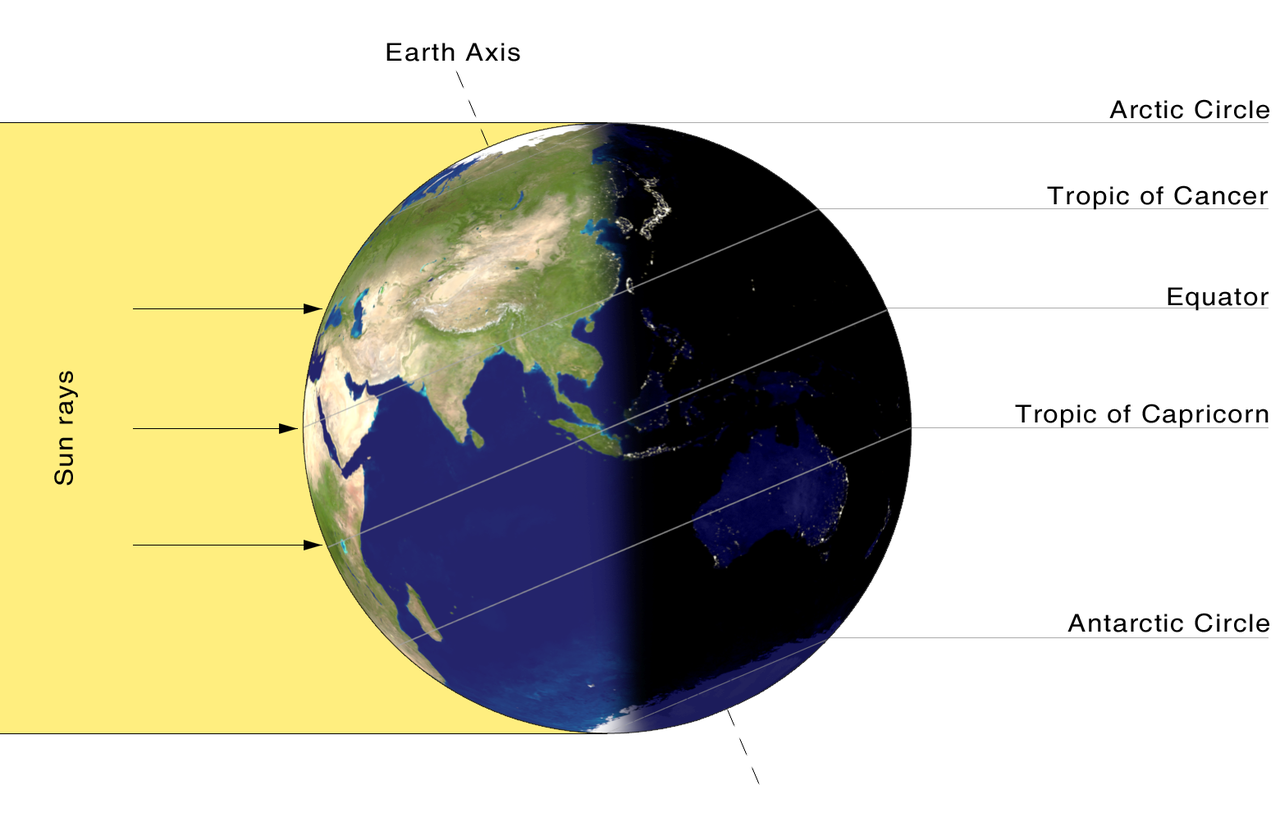




Geography and astronomical basis
Like the other major parallels, the Tropic of Capricorn is defined by Earth’s axial tilt rather than by any physical marker on the surface. The circle reflects the maximum declination of the Sun relative to Earth's equatorial plane. Because the planet’s axial tilt (obliquity) changes very slowly over long periods, the precise latitude shifts slightly through time; modern coordinates are used on contemporary maps and globes (map depictions).
Wherever the Sun passes overhead at local noon on the December solstice, that location lies on or very near the Tropic. Between the Tropic of Capricorn and its northern counterpart, the Tropic of Cancer, the Sun can achieve a zenith position at some date during the year — a defining property of the tropical zone.
Climate, regions and human interaction
The Tropic of Capricorn crosses ocean and land across the southern subtropics, cutting through or near parts of South America, southern Africa and Australia. It therefore traverses a range of environments, from arid and semi-arid regions to grasslands and subtropical zones. Local climates along the parallel vary with elevation, ocean currents and continental placement.
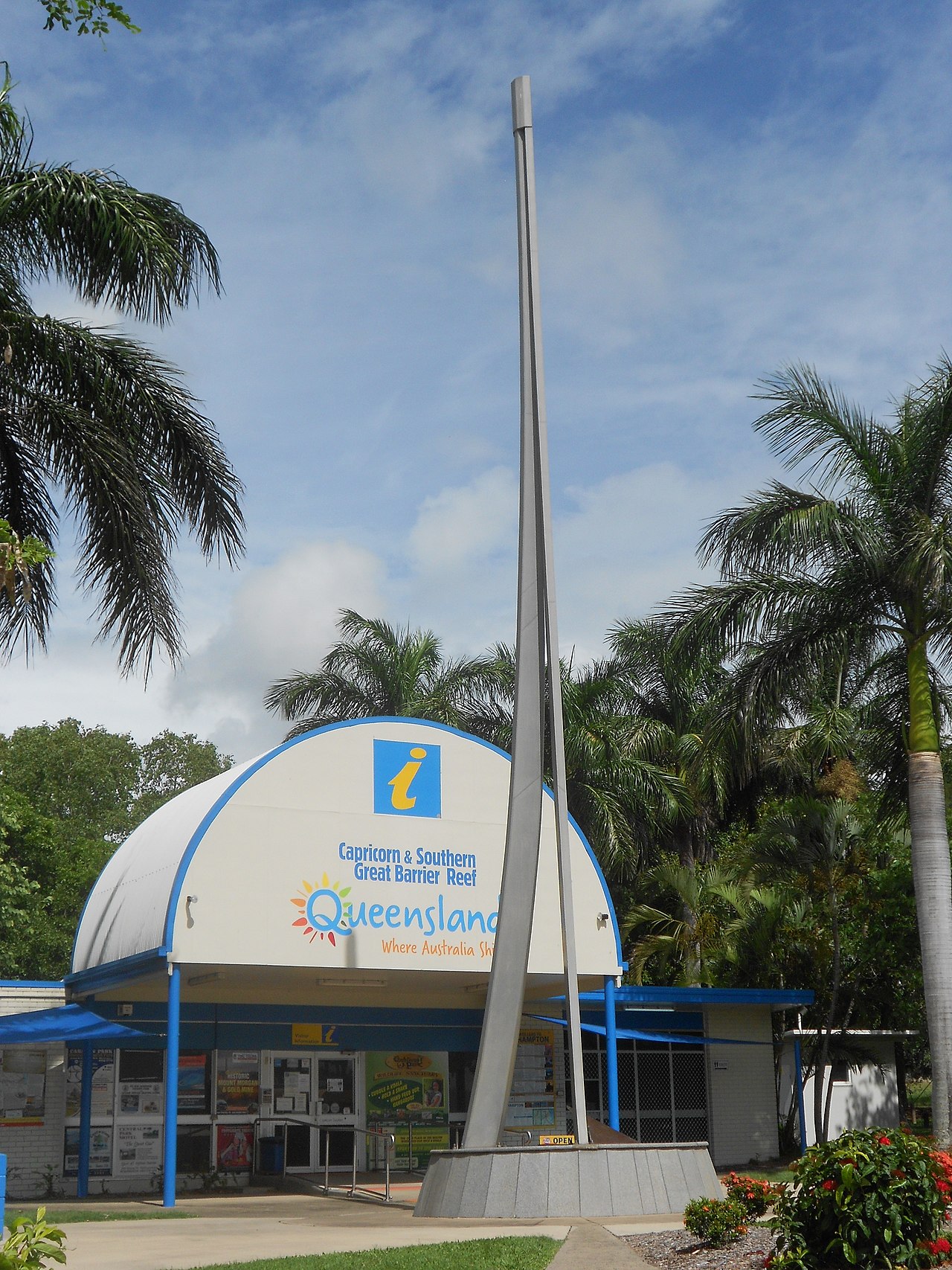
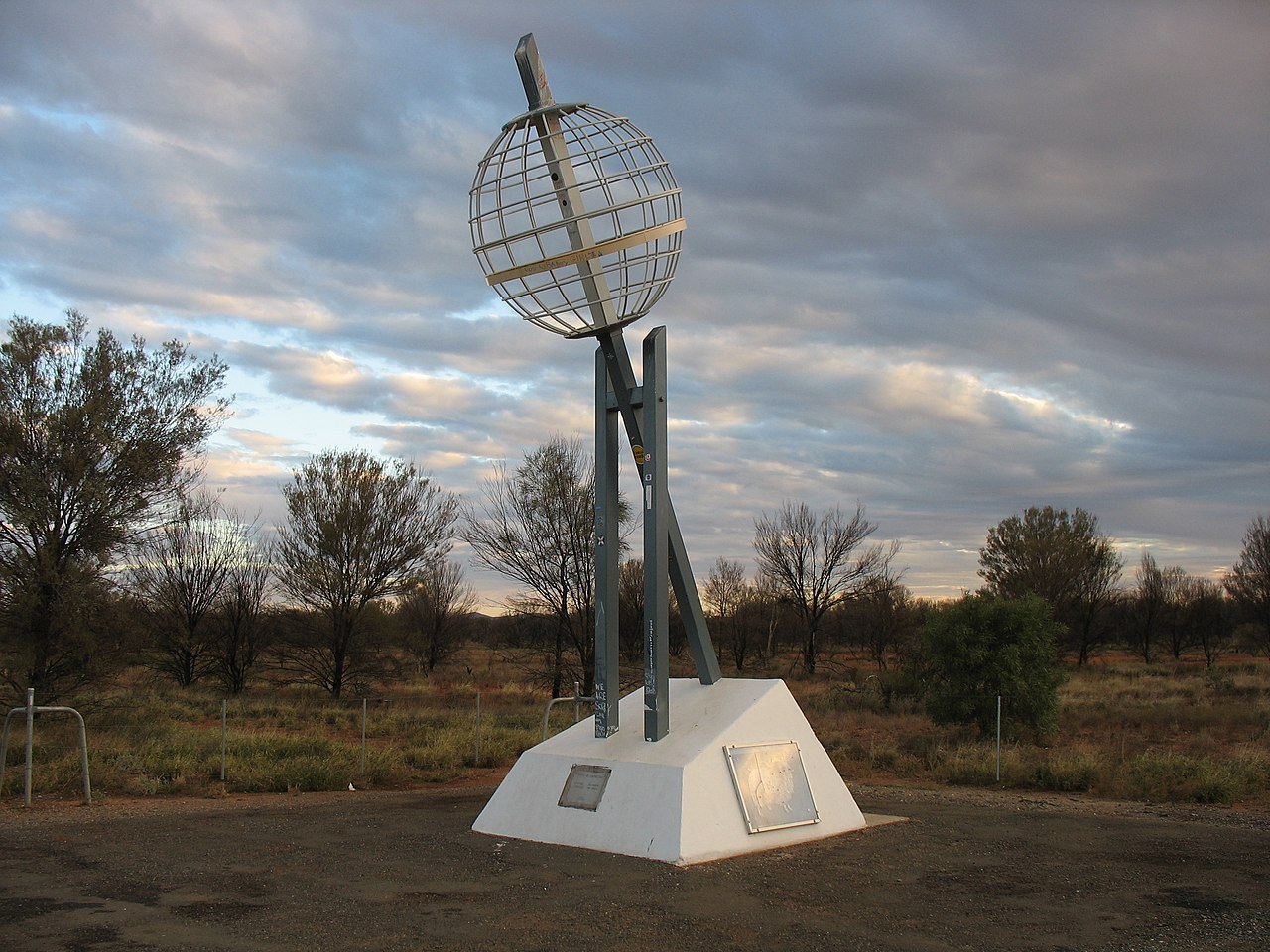
Human cultures and administrations have long referenced the Tropic for cartography and education. In several countries the line is marked with plaques, monuments or roadside signs for visitors and to indicate the geographic boundary. It is also used as a convenient reference in describing climate belts, agricultural planning and solar geometry for building design.
Related circles and notable facts
- The Tropic of Capricorn is one of the five commonly cited major circles of latitude; others include the Equator and the Arctic and Antarctic Circles.
- The region between the two tropics is where the Sun can be at the zenith; the subsolar point migrates between them over the year.
- Because of long-term changes in Earth’s tilt, the exact position is not fixed indefinitely and is periodically recalculated on modern charts of the Earth.
For general orientation on maps and for basic astronomical context, the Tropic of Capricorn remains a useful, widely recognized geographic reference point; visitors can find its depiction on most world maps and atlases (see map illustrations).
Related articles
Author
AlegsaOnline.com Tropic of Capricorn Leandro Alegsa
URL: https://en.alegsaonline.com/art/101653