
Thorax (body region)
The thorax is the mid-body region in many animals. In vertebrates it forms the chest enclosing heart and lungs; in arthropods it is the middle tagma bearing legs and wings.
Overview
The thorax is a central body region found in many animals, located between the head and the abdomen. In general use the term refers to the part of an animal that houses organs and structures essential for respiration, circulation and limb attachment. Its size, shape and contents vary greatly between vertebrates and arthropods.
Image gallery
9 Images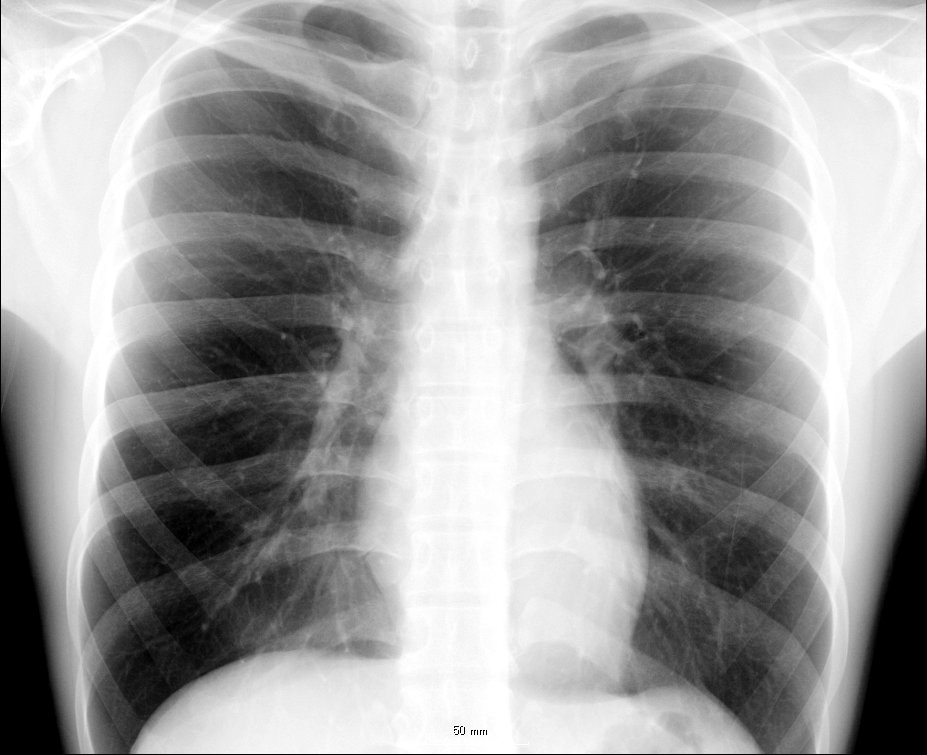

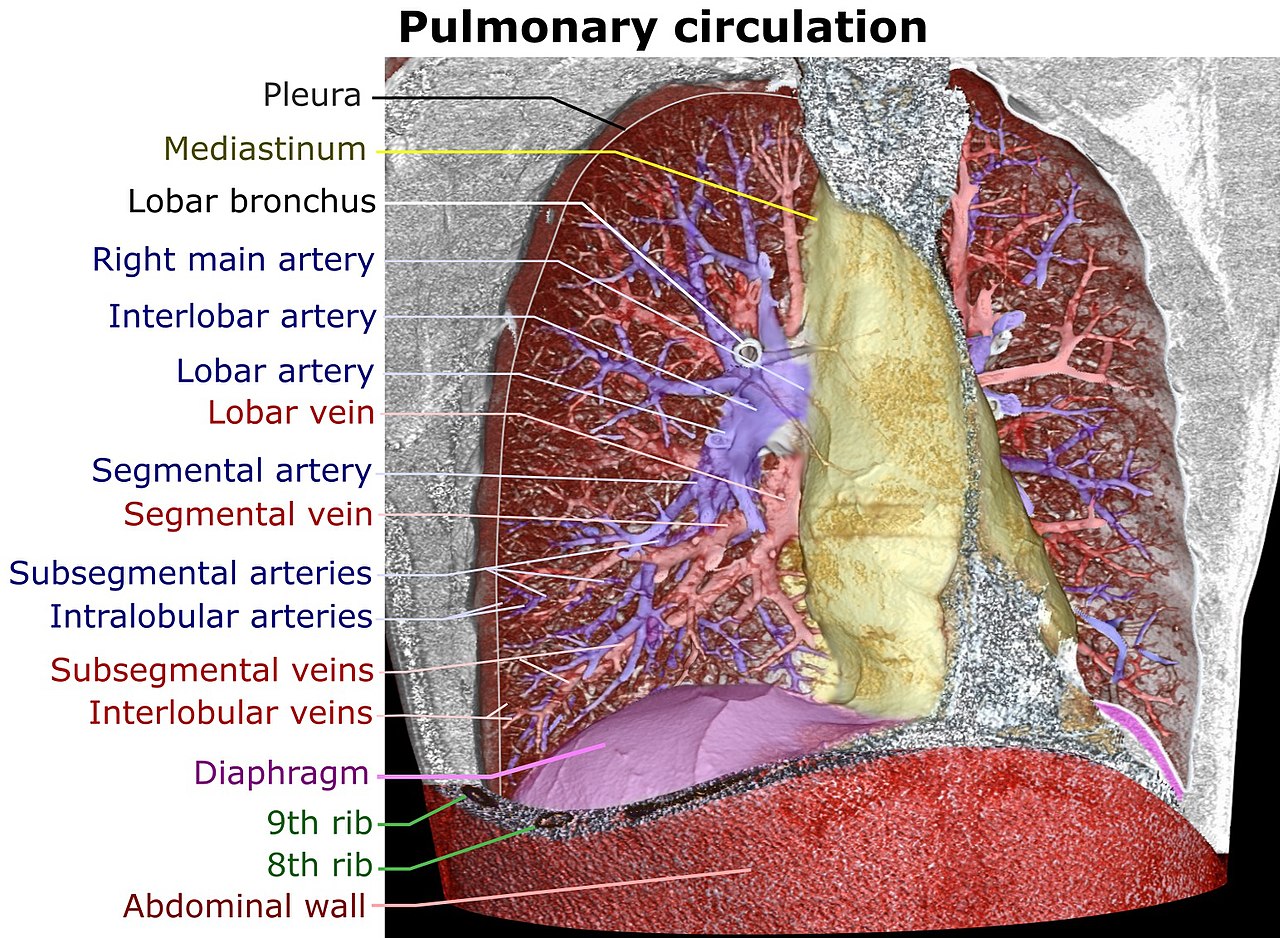


Vertebrate (mammalian) thorax
In mammals and other vertebrates the thorax — often called the chest — is bounded dorsally by the thoracic vertebrae, ventrally by the sternum, and laterally by the ribs. The lower limit is the diaphragm, a muscular partition that separates the thoracic cavity from the abdominal cavity. The vertebral column segment in this region is represented by the thoracic vertebrae.
- Major skeletal parts: thoracic vertebrae, ribs, sternum.
- Principal contents: heart, lungs, large blood vessels and portions of the airway and esophagus.
Functionally the thorax protects vital organs, supports breathing mechanics and provides anchorage for muscles of the shoulder and neck. Clinically it is central to fields such as pulmonology, cardiology and thoracic surgery.
Arthropod thorax
In insects and many crustaceans the thorax is the middle of three main body sections and is specialized for locomotion. In insects the thorax is subdivided into three segments — prothorax, mesothorax and metathorax — each bearing a pair of legs; the wings, when present, attach to the meso- and metathorax. In crustaceans the thoracic segments may be fused with the head to form a cephalothorax in some groups.
- Typical insect arrangement: three pairs of legs (walking legs) and up to two pairs of wings (insects).
- Crustaceans: thoracic appendages may be legs, maxillipeds or feeding structures (crustaceans).
Comparative notes and significance
Although the word "thorax" is used across animal groups, it denotes different structural plans: a cavity enclosed by bone and muscle in vertebrates versus a segmented, sclerotized tagma with appendages in arthropods. Understanding these differences is important in anatomy, paleontology and evolutionary biology because the thorax reflects adaptations for breathing, movement and protection in diverse lineages.
For introductions, terminology and diagrams see general anatomy resources and taxon-specific texts: for example, references on mammalian chest structure and on insect morphology offer complementary perspectives on the thorax's form and function. Further reading can be found via specialized sources on vertebrate and arthropod anatomy (mammals, insects).
For quick reference on basic parts and boundaries: thoracic vertebrae, ribs, sternum, and the respiratory divider the diaphragm. The term appears across comparative anatomy literature and in clinical descriptions of the chest region.
Related articles
Author
AlegsaOnline.com Thorax (body region) Leandro Alegsa
URL: https://en.alegsaonline.com/art/99576