
Abdomen (human anatomy)
The abdomen is the body region between the chest and pelvis that contains the digestive tract, several vital organs, the abdominal wall and peritoneal cavity; central to digestion and many medical conditions.
The abdomen is the part of the trunk located below the ribs and diaphragm and above the pelvic brim. It is commonly described as the space between the chest and the hips or upper leg region, sometimes rendered simply as between the thigh and thorax. The term can refer to the external surface, the muscular wall that surrounds it, and the internal cavity that houses organs. For a general overview see abdominal cavity resources.
Image gallery
9 Images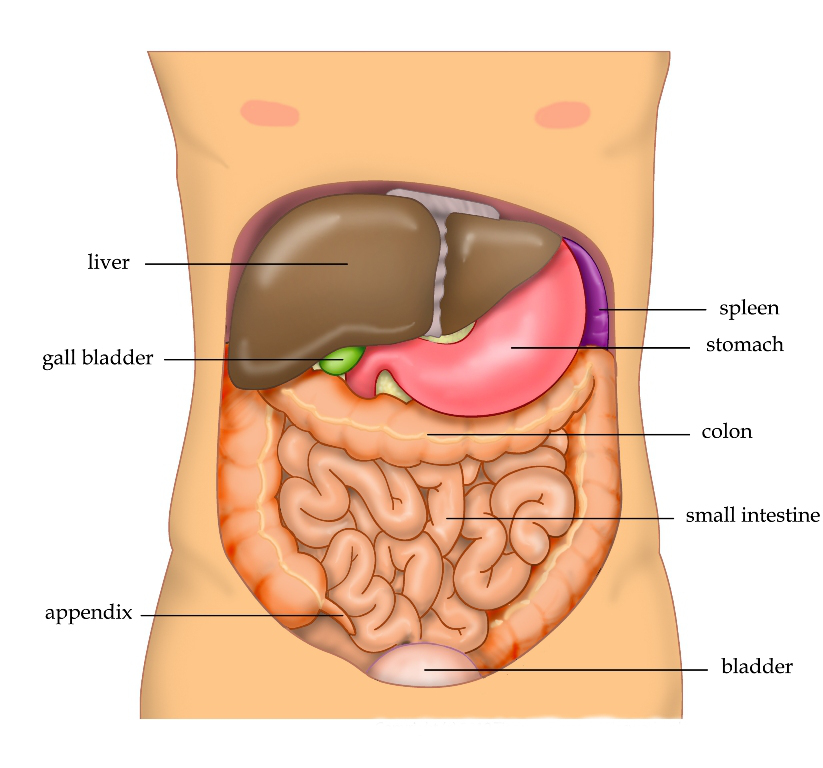




Anatomy and boundaries
The upper boundary of the abdomen is formed by the diaphragm, a muscular sheet that separates the thoracic and abdominal cavities. The lower limit is the pelvic inlet; superficially the region is enclosed by layers of skin, fat and the abdominal wall composed of several muscle layers. These abdominal muscles — including the rectus abdominis, external and internal obliques, and transversus abdominis — provide posture, protection and help with breathing and pressure regulation.
Major organs
- Digestive organs: stomach, small intestine, large intestine, and associated glands.
- Liver and gallbladder: metabolism and bile storage.
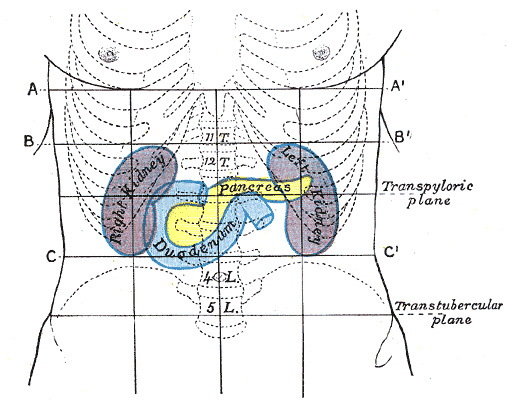
- Pancreas: digestive enzymes and endocrine hormones.
- Spleen: immune and blood filtration roles.
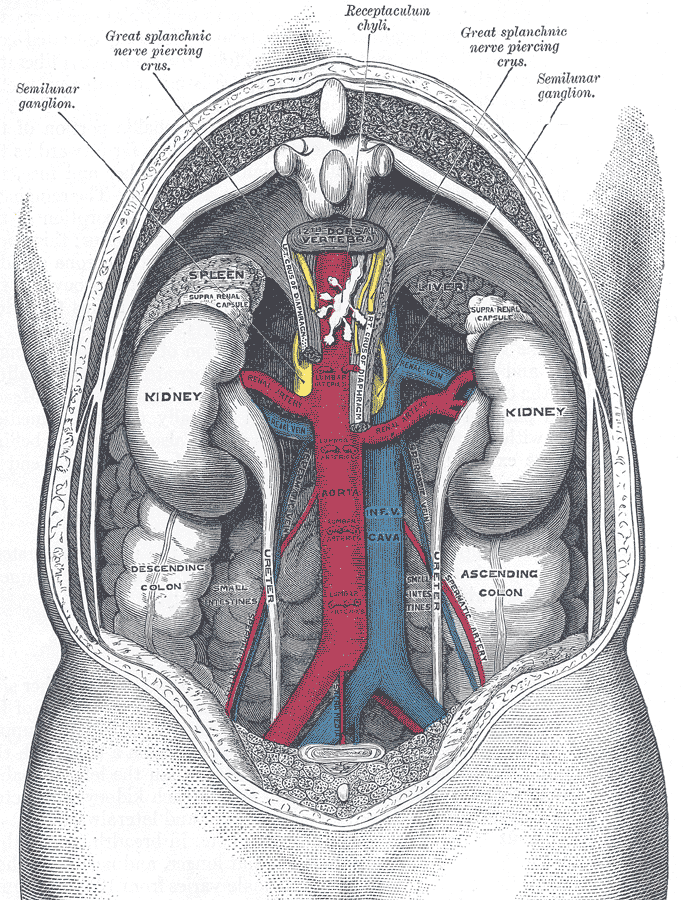
- Kidneys and adrenal glands: retroperitoneal organs involved in filtration and hormone production.
These structures are enclosed by the peritoneum, a serous membrane that forms a cavity and supports blood vessels and nerves.
The abdomen is divided clinically into regions or quadrants to help localize pain and disease: either four quadrants or nine more specific regions. Common conditions that involve the abdomen include appendicitis, hernias, gallstones and inflammatory or obstructive bowel disorders. Medical assessment often uses physical examination, laboratory tests and imaging to determine the cause of abdominal symptoms.
Understanding abdominal anatomy is important for surgery, emergency medicine and many medical specialties. For basic learning and illustrations consult introductory anatomy sources such as digestive and abdominal organ guides.
Related articles
Author
AlegsaOnline.com Abdomen (human anatomy) Leandro Alegsa
URL: https://en.alegsaonline.com/art/356