
Rib (anatomy): structure, function, development and cultural notes
Ribs are paired curved bones forming the thoracic cage. This article explains rib anatomy, classes, development, functions, clinical relevance and the origin of the Adam-and-Eve rib legend.
Overview
A rib is a curved bone that, together with the sternum and vertebrae, helps form the thoracic cavity around the thorax. In humans there are normally 24 ribs, 12 on each side. Ribs occur in many but not all vertebrates, where they vary in number, form and function according to the animal’s design and lifestyle. The set of ribs and associated structures is commonly called the rib cage.
Image gallery
8 Images


Structure and classification
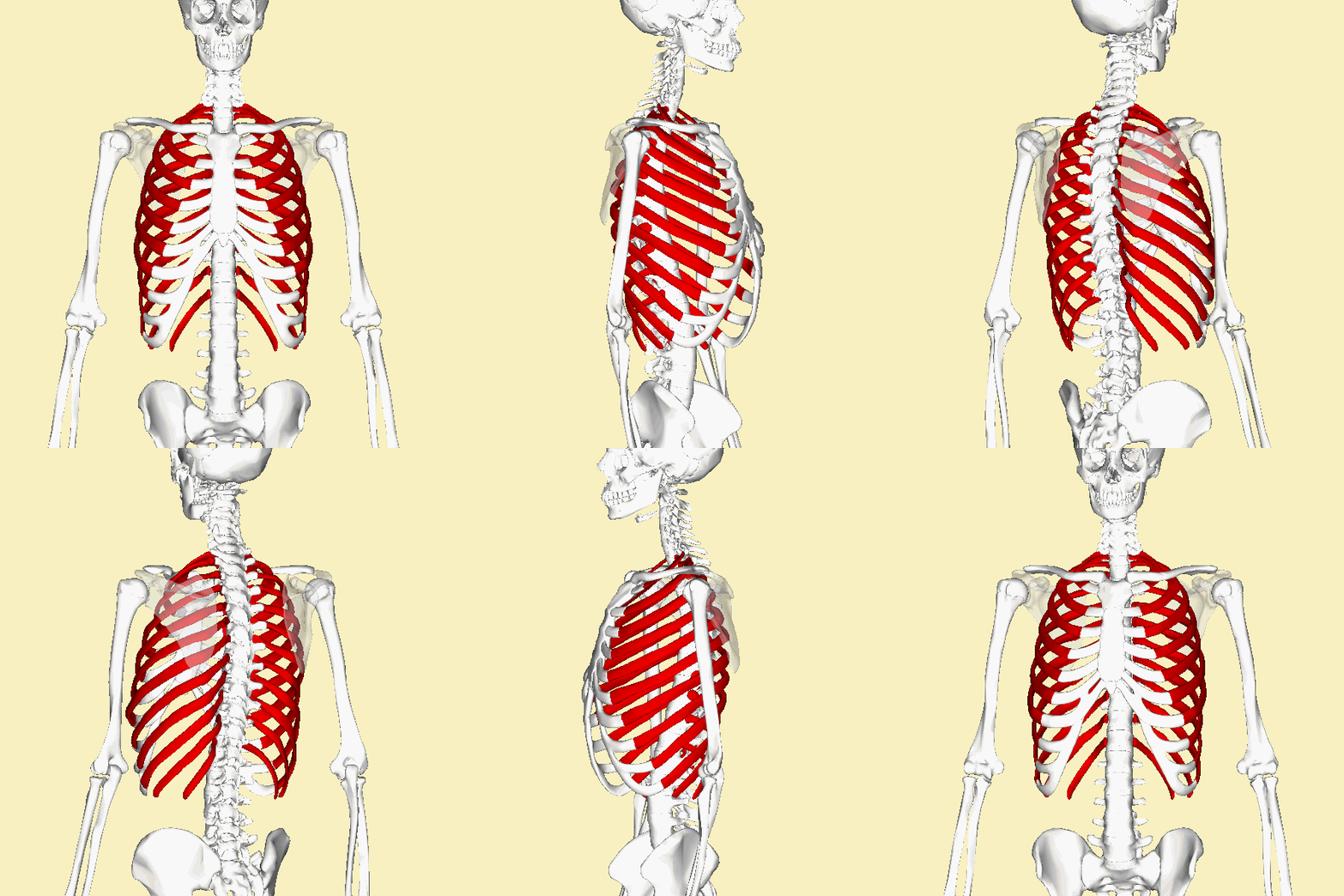
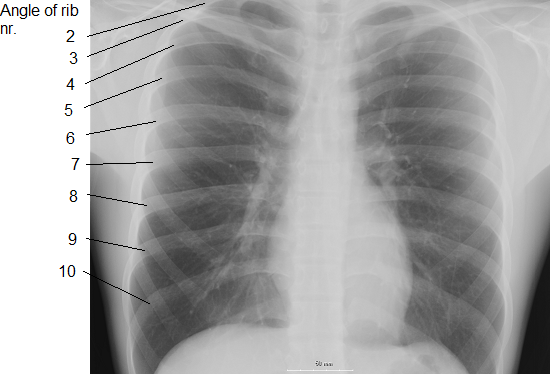
Each rib has a head that articulates with a thoracic vertebra, a neck and a shaft that curves toward the front of the body. Near the front, ribs attach to the sternum either directly or indirectly via costal cartilage. Ribs are often grouped as:
- True ribs (typically the top seven pairs) that connect directly to the sternum.
- False ribs (usually the next three pairs) that join the sternum indirectly through common cartilage.
- Floating ribs (the lowest one or two pairs) that do not reach the sternum anteriorly.
Development and variation
Ribs develop from the embryonic mesoderm and grow as part of the axial skeleton under genetic and environmental influences. Variation in rib number or shape is possible and can be a normal anatomical variant; extra ribs (cervical or lumbar ribs) or fused ribs are uncommon but recognized. Different animal groups show notable adaptations — for example, birds have modified ribs with processes that aid flight mechanics, while reptiles and fish have ribs serving diverse roles.
Function and clinical importance
The primary role of ribs is to protect vital thoracic organs such as the heart and lungs, and to provide attachment sites for muscles involved in breathing, posture and movement. Clinically, ribs are significant in trauma (fractures), congenital deformities (pectus excavatum or carinatum), and surgical access to the thorax. Pain syndromes can arise from costal cartilage inflammation or nerve entrapment along the rib margin.
History, myth and cultural notes
Ribs have long held symbolic and narrative roles in human culture. A widely known urban legend claims males have fewer ribs than females; this misunderstanding originates from a Christian reading of the bible describing the creation of Eve from Adam’s rib. Anatomical study shows that human males and females normally have the same number of ribs.
Notable facts and distinctions
Ribs differ from other bones in having both rigid and flexible elements (bony shaft plus costal cartilage) to balance protection with respiratory movement. Their shape and connections make them integral to breathing mechanics. For further anatomical diagrams and clinical references see resources and image collections at authoritative anatomy sites (bone, rib cage).
Related articles
Author
AlegsaOnline.com Rib (anatomy): structure, function, development and cultural notes Leandro Alegsa
URL: https://en.alegsaonline.com/art/82576