
Tissue culture (cell culture): methods, history and applications
Tissue culture (cell culture) is the laboratory growth of plant or animal cells outside the organism. This article summarizes key methods, equipment, history, uses, and common challenges.
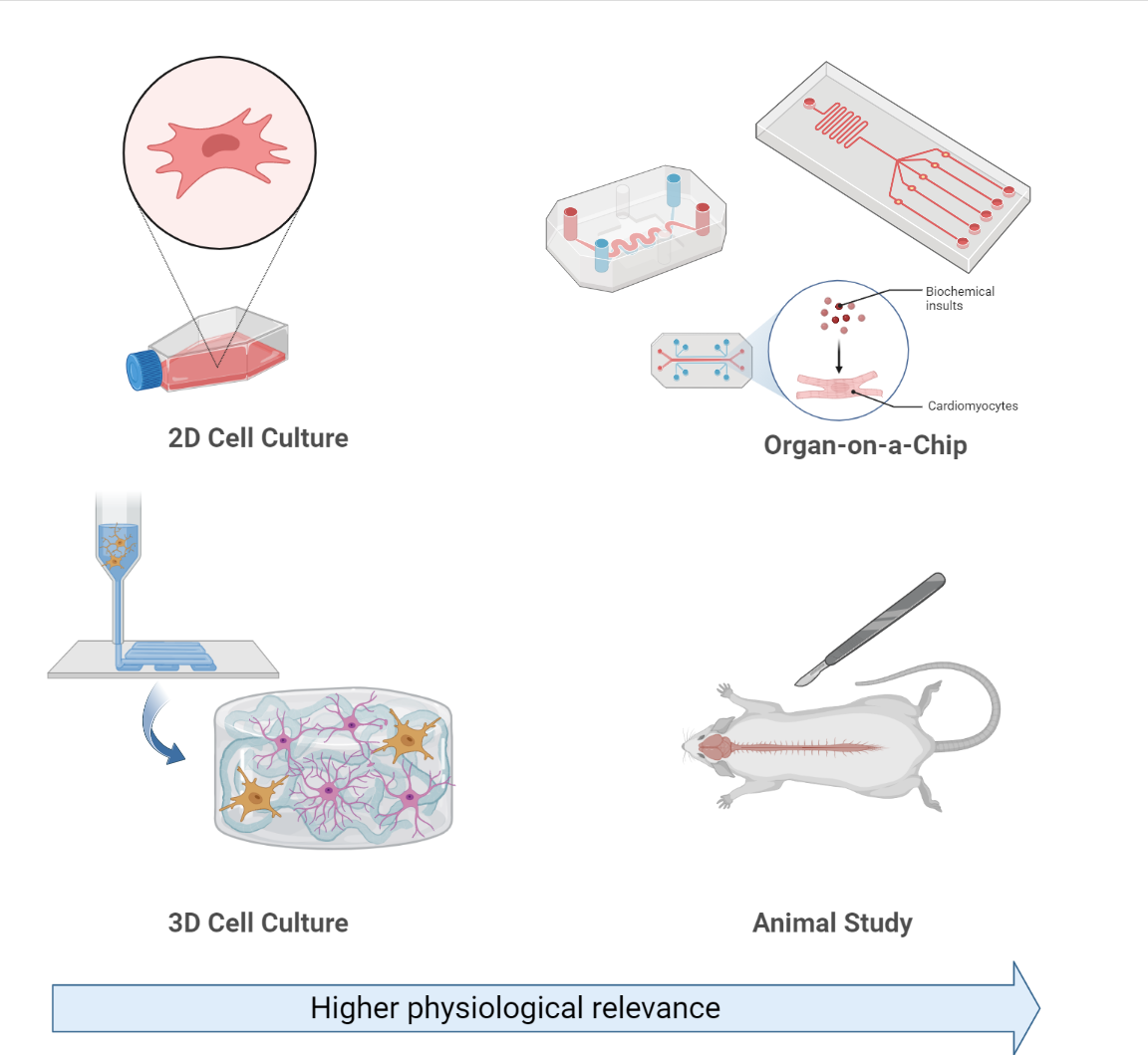
Tissue culture, often called cell culture, is the controlled growth of living cells outside their original organism in a laboratory setting. Researchers place cells into vessels such as a flask or a Petri dish and provide nutrients and environmental conditions that support survival and division. Cultured cells may originate from animal tissues, human biopsies, or plants and can be used either as short-lived primary cultures or as established continuous lines.
Image gallery
8 Images




Basic components and equipment
Successful culture depends on several standard components: a growth medium that supplies salts, amino acids and energy sources, often supplemented with serum or defined factors; a sterile container or substrate; controlled temperature and atmosphere; and aseptic technique. Typical items include a growth medium, agar for solid supports like an agar plate, sterile pipettes and a laminar-flow hood in the laboratory. Incubators regulate warmth and CO2 to maintain pH and promote cell division.
Methods and types
Methods vary by cell type and purpose. Adherent cells grow attached to a surface, while suspension cells float in medium. Primary cultures are derived directly from tissues and reflect donor characteristics; continuous or immortalized cell lines can be propagated indefinitely. Cells are separated from tissue by mechanical disruption or enzymes (for example, trypsin) and maintained through routine passaging or subculture.
History and development
Early experiments in the early 20th century demonstrated that animal cells could survive and extend in vitro, and later refinements produced reliable culture systems. The mid-20th century saw the establishment of widely used cell lines that transformed biomedical research. These advances allowed experiments on cell physiology, infectious agents and drug responses without using whole organisms.
Applications and importance
- Basic research into cell biology, genetics and signaling.
- Virology and vaccine production, where viruses are propagated in cultured cells.
- Drug discovery and toxicity testing using cell-based assays.
- Biotechnology and biomanufacturing, including recombinant protein production.
- Plant tissue culture for micropropagation and crop improvement.
Challenges and notable issues
Culture work demands strict sterile practice to avoid bacterial, fungal or mycoplasma contamination and regular authentication to detect misidentification and genetic drift. There are ethical and biosafety considerations when culturing human-derived cells or pathogenic organisms. Despite limitations, tissue culture remains a central tool that bridges molecular studies and applied biomedical and agricultural technologies.
For further practical introductions and protocols consult laboratory guides and institutional resources: cell basics, facility standard operating procedures at the institutional lab, supplier descriptions of culture flasks and dishes, media formulations at media suppliers, agar techniques at agar methods, and educational materials describing growth and division.
Related articles
Author
AlegsaOnline.com Tissue culture (cell culture): methods, history and applications Leandro Alegsa
URL: https://en.alegsaonline.com/art/100100
Sources
- ncbi.nlm.nih.gov : "Some landmarks in the development of tissue and cell culture"
- bioteach.ubc.ca : "Cell culture"