
Thrips (Thysanoptera): tiny fringed-wing insects, pests and pollinators
Overview of thrips (order Thysanoptera): appearance, life cycle, ecology, economic importance as crop pests and virus vectors, and approaches to monitoring and control.
Overview
Thrips are minute, slender insects belonging to the order Thysanoptera. They are characterized by narrow bodies and, in many species, fringed wings that give the order its Greek-derived name (thysanos = fringe, pteron = wing). More than 6,000 species have been described worldwide; a substantial proportion feed on plants, while others are predatory or associated with fungi.
Image gallery
10 Images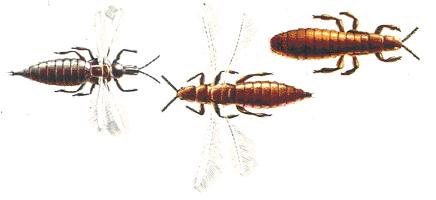



Physical characteristics and taxonomy
Adults are typically 1–2 mm long in temperate regions, though some tropical species may be larger. Morphological features used to distinguish groups include the shape of the last abdominal segments and the presence or absence of a tube-like terminal segment. The order is conventionally divided into two suborders: Terebrantia, which generally have a saw-like ovipositor in females, and Tubulifera (notably the family Phlaeothripidae), in which the abdomen ends in a tubular structure.
Life cycle and behavior
Thrips undergo a form of development with several feeding larval stages followed by non-feeding pre-pupal and pupal-like stages before reaching adulthood. Many species are active on flowers, leaves, and buds, where they feed by puncturing plant cells and extracting contents. Some species are wingless or have reduced wings, while others disperse by flight or passively on wind currents over long distances.
Ecology and economic importance
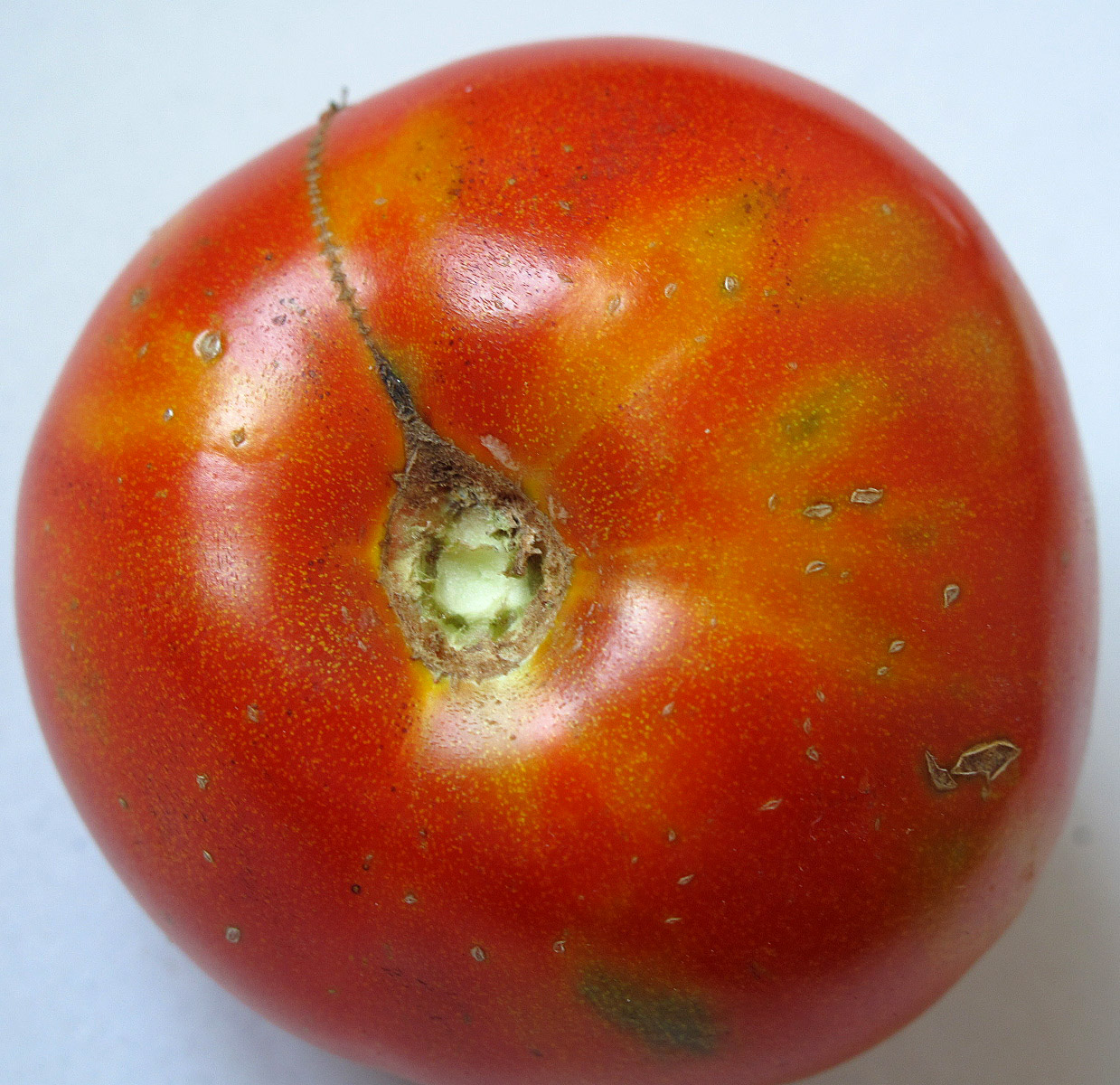
Ecologically, thrips occupy diverse roles: herbivores, fungal-feeders, pollinators, and predators. Economically, they are most noted as pests of horticultural and agricultural crops. Feeding damage can deform flowers and fruits, reduce photosynthesis, and lower marketability. Critically, several thrips species transmit plant viruses, including members of the tospovirus group, which can cause severe yield losses.
Monitoring and management
- Monitoring: yellow or blue sticky traps and regular plant inspections help detect infestations early.
- Biological control: natural enemies such as predatory mites, minute pirate bugs (Orius spp.), and entomopathogenic fungi are used in integrated programs.
- Cultural and chemical measures: crop sanitation, resistant varieties, and targeted insecticides are employed where necessary; pesticide resistance and non-target impacts encourage integrated pest management (IPM) approaches.
Distribution and notable facts
Thrips have a cosmopolitan distribution. For example, the small species commonly encountered in the British Isles are often only 1–2 mm long, while global species counts exceed several thousand, with several hundred recorded in Europe and many tens native to Britain. Not all thrips are harmful: some are important pollinators in ecosystems or act as natural enemies of other pests. Their tiny size, varied diets, and ability to transmit pathogens make them both ecologically interesting and agriculturally significant.
For region-specific identification, distribution records and species lists are available from regional faunal surveys and agricultural extension services; see local resources such as regional checklists for more detail.
Questions and answers
Q: What are thrips?
A: Thrips are an order of insects, scientifically known as Thysanoptera.
Q: How big are thrips found in the British Isles?
A: Thrips found in the British Isles are tiny insects, just 1-2mm long.
Q: What are some other common names for thrips?
A: Other common names for thrips are thunderflies, thunderbugs, storm flies, thunderblights, and corn lice.
Q: What do thrips feed on?
A: Thrips feed on a large variety of plants and animals by puncturing them and sucking up the contents.
Q: How many species of thrips are there around the world?
A: More than 6,000 species of thrips are known around the world.
Q: How many thrips species are native to Britain?
A: About 150 thrips species are native to Britain.
Q: What is the scientific name for the order Thysanoptera derived from?
A: The scientific name for the order Thysanoptera comes from the Greek thysanos (fringe) and pteron (wing).
Related articles
Author
AlegsaOnline.com Thrips (Thysanoptera): tiny fringed-wing insects, pests and pollinators Leandro Alegsa
URL: https://en.alegsaonline.com/art/99667