
Spanish colonization of the Americas
Overview of Spanish exploration, conquest, colonial institutions, and lasting impacts from Columbus's 1492 arrival to 19th-century independence movements.
Overview
The Spanish colonization of the Americas began with transatlantic voyages in the late 15th century and expanded rapidly after 1492. The arrival of Europeans initiated a sustained period of exploration, conquest and settlement that reshaped the peoples, ecologies and political map of the Western Hemisphere. Early voyages are often associated with Christopher Columbus; his 1492 landfalls opened the way for further expeditions and permanent colonies across the Caribbean and the mainland of the Americas.
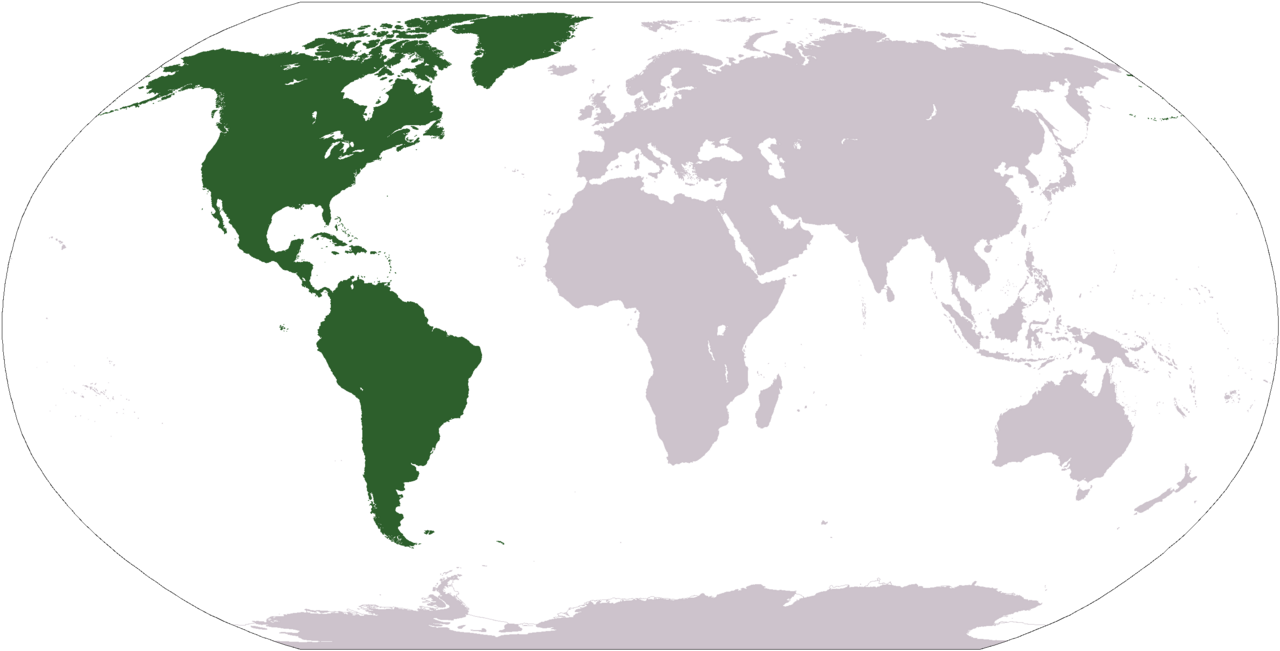
Spanish claims and settlements eventually extended over a vast region. They established control over much of what is now Mexico and much of Central and South America, and extended influence into areas of the present-day United States, Canada and the Pacific coast. Spanish explorers and administrators also pressed north along the Pacific and made claims that reached as far as parts of what is now Alaska.
Image gallery
10 Images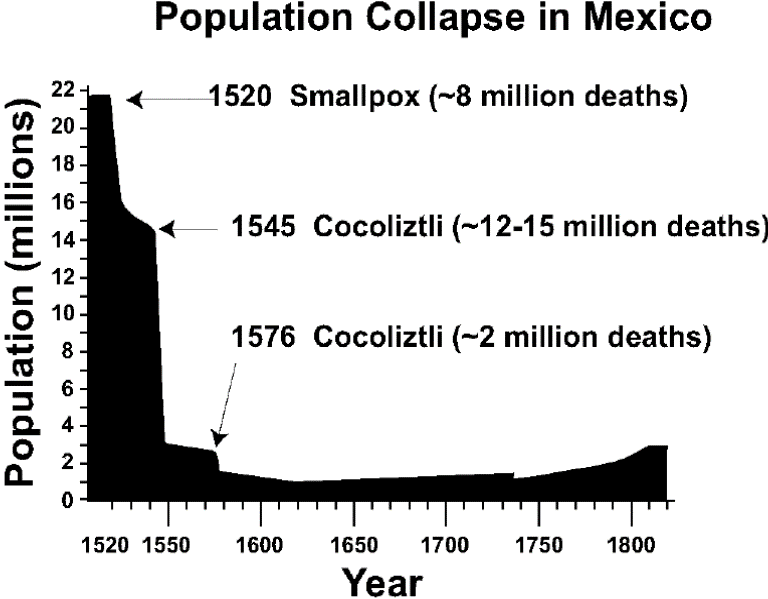



Characteristics of Spanish rule
- Administration: The empire was organized through royal institutions such as viceroyalties and audiencias, which governed large territories on behalf of the crown.
- Economy and labor: Colonial economies relied on mining, agriculture and trade. Systems such as encomienda and repartimiento tied indigenous labor to colonial enterprises.
- Religion and culture: Catholic missions, clergy and religious orders played a central role in conversion efforts and in the introduction of Spanish language and legal customs.
- Conflict and population change: Military conquest, violent encounters and disease produced dramatic demographic and social changes among indigenous populations.
History and development
Following the first landfalls, Spanish expeditions moved from the Caribbean into larger mainland empires. Conquistadors overthrew centralized indigenous states in Mexico and the Andes and claimed their wealth and territories for the Spanish crown. Over subsequent centuries the crown consolidated control through colonial bureaucracies and established long-distance trade routes linking the Americas, Spain and Asia.
Spanish territorial reach included the islands and coasts of the Caribbean, large parts of Central America and South America, and extensive claims on the North American mainland. Notable regions under Spanish control included present-day Mexico and much of South America; Spain also established settlements and missions in what became the southern and western regions of the United States and colonial outposts reaching into areas of British Columbia and the north Pacific coast.
Impact, resistance and decline
The consequences of colonization were profound. Indigenous societies experienced population collapse in many areas due to introduced diseases and warfare; cultural blending produced new populations and social orders; and colonial economies reoriented local production to global markets. Resistance and accommodation took many forms, from negotiated coexistence in some areas to sustained rebellion in others.
During the late 18th and early 19th centuries, political and social tensions, influenced by Enlightenment ideas and external conflicts, helped spark independence movements across Spanish America. Over the first decades of the 19th century many colonies achieved independence from Spanish rule. Remaining overseas possessions, such as Cuba and Puerto Rico, were lost after the Spanish-American War in 1898.
Further reading and factual anchors
- America and early voyages
- Christopher Columbus
- The year 1492
- European colonization context
- Central America
- South America
- Mexico
- Southern United States
- Western United States
- British Columbia
- Canada
- Alaska and northern claims
- Violence and demographic impact
- Early 19th century context
- Independence movements
- Cuba
- Puerto Rico
- The year 1898 and Spanish-American War
These topics are broad and debated; further study of region-specific histories will provide fuller detail about administration, local responses, and long-term legacies.
Related articles
Author
AlegsaOnline.com Spanish colonization of the Americas Leandro Alegsa
URL: https://en.alegsaonline.com/art/92477
Sources
- cvc.cervantes.es : Study of the Instituto Cervantes
- histocat.cat : Study of the Fundació d'Estudis Històrics de Catalunya
- cesarfrijol.tripod.com : cesarfrijol.tripod.com