
Genocide: definition, history, legal framework, and notable examples
An overview of genocide: its definition, key elements, historical origins, major instances, legal responses and differences from related crimes. Covers origins of the term and mechanisms for prevention and prosecution.
Overview
Genocide is an internationally recognized crime that describes actions taken with the intent to destroy, in whole or in part, a national, ethnic, racial or religious group. The concept emphasizes both the targeting of a protected group and the specific intent to eliminate that group as such. Genocide is typically carried out by organized actors—states, militias, or other groups—rather than isolated individuals, and it can be committed through a variety of means, including mass killing, forcible transfer of children, or measures designed to prevent births.
Image gallery
10 Images


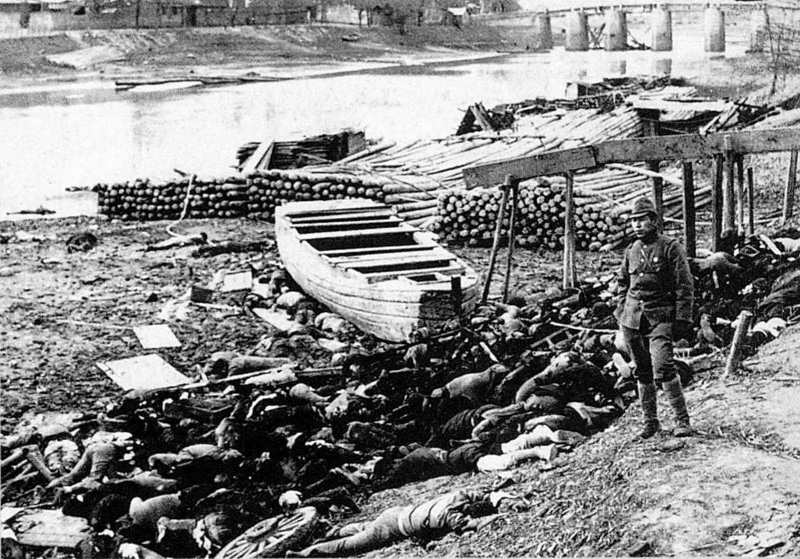


Definition and characteristic elements
Under modern international law, genocide requires two key elements: (1) a protected group defined by nationality, ethnicity, race or religion; and (2) a specific intent to destroy that group, in whole or in part. The actus reus, or physical component, can take several forms: killing members of the group; causing serious bodily or mental harm; deliberately inflicting conditions calculated to bring about the group’s physical destruction; imposing measures to prevent births within the group; and forcibly transferring children out of the group. These elements distinguish genocide from other atrocities because of the focused intent to eradicate a group's existence.
History and the origin of the term
The word "genocide" was coined by the lawyer and scholar Raphael Lemkin in the 1940s to describe the systematic destruction of groups he had studied and witnessed. Lemkin combined a Greek root meaning "race" or "tribe" with the Latin suffix meaning "to kill" to create a term that captured collective destruction. His campaign after the Second World War helped lead to an international instrument that prohibited genocide as an international crime. Earlier mass atrocities that informed the concept include the mass violence against Armenians during World War I and attacks on Assyrian and other minorities in the interwar period.
Notable instances and patterns
Modern history records several episodes widely discussed as genocides. The Nazi regime’s extermination policies against Jews and other groups during the Second World War were central to the development of the term. In 1994, Rwanda experienced a rapid and brutal campaign of mass violence directed primarily against the Tutsi population and against Hutu who opposed the killings. At other times and places, extremist militias and state organs have committed large-scale atrocities against ethnic or religious communities, sometimes in the context of war or political collapse. Each episode differs in method and scope, but common patterns include dehumanizing propaganda, organized logistics, and the targeting of civilians.
Legal response and prosecution
In the aftermath of the Second World War and subsequent atrocities, the international community adopted legal tools to prevent and punish genocide. A multilateral treaty defines genocide as an international crime and obliges states to prevent and punish it. Ad hoc tribunals and international courts have prosecuted individuals for genocide, and the permanent International Criminal Court can also try persons accused of committing the crime when jurisdictional requirements are met. Domestic prosecutions, truth commissions and reparations processes have also formed part of the wider legal and moral response.
Distinctions, prevention and recognition
Genocide is distinct from related concepts such as "crimes against humanity" or "ethnic cleansing," though the terms sometimes overlap in practice. Ethnic cleansing generally refers to the removal of a population from a territory, often through violent or coercive means; crimes against humanity address widespread or systematic attacks on civilians but do not require the special intent to destroy a protected group that genocide requires. Efforts to prevent genocide emphasize early warning, protection of vulnerable communities, accountability for perpetrators and political measures to counter hate speech and discrimination.
Further information and links
- Legal definitions and key concepts
- Ethnic groups and group identity
- Religion and protected groups
- Role of governments in mass atrocities
- Military forces and organized violence
- Raphael Lemkin and the origin of the term
- Poland and European contexts
- Jewish communities and Holocaust studies
- Linguistic roots of the word "genocide"
- Etymology: Latin components of "-cide"
- Tutsi population and history
- Rwanda: context and aftermath
- Hutu communities and political divisions
- League of Nations and interwar diplomacy
- International law and criminal justice
- Key conferences and legal debates
- Assyrian communities and persecutions
- Iraq and regional violence
- Armenian events of the First World War
- The Genocide Convention and treaty obligations
- International Criminal Court and prosecutions
Questions and answers
Q: What is genocide?
A: Genocide is the crime of killing many people who are all part of one ethnic or religious group, or some sort of similar group, and trying to destroy that group. It is usually done by a group such as a government or military organization, not by one person or a small number of people.
Q: Who invented the term 'genocide'?
A: The term 'genocide' was created by Raphael Lemkin, a Polish Jew in 1944. He combined the words "genos" (Greek for family, tribe or race) and "-cide" (from the Latin "occidere", to kill).
Q: What event inspired Lemkin's idea of genocide?
A: The event that inspired Lemkin's idea of genocide was when Assyrians were massacred in Iraq on 11 August 1933. This reminded him of earlier similar events such as the Armenian Genocide during World War I.
Q: How is genocide prohibited today?
A: Today, any form of genocide is prohibited by the Genocide Convention and anyone who commits or incites genocide can be judged by the International Criminal Court.
Q: What example did Lemkin use in his speech about international criminal law?
A: In his speech about international criminal law at the League of Nations conference in Madrid in 1933, Lemkin used an example from Iraq where Assyrians were massacred on 11 August 1933 as evidence for his essay on Crime of Barbarity as a crime against international law.
Q: What other examples are there of genocidal horror?
A: Other examples include Nazi Holocaust when many groups including Jews and others were killed; Ustashe concentration camps in Croatia where about a million Serbs were killed during WWII especially at Jasenovac; and Rwanda where about a million Tutsi people were killed along with Hutus who opposed the genocide in 1994.
Q: What was Lemkin's purpose behind creating this concept?
A:Lemkin's purpose behind creating this concept was based mostly on his experience with witnessing massacres such as those experienced by Assyrians and Armenians during World War I which he felt should be considered crimes against international law.
Related articles
Author
AlegsaOnline.com Genocide: definition, history, legal framework, and notable examples Leandro Alegsa
URL: https://en.alegsaonline.com/art/38052
Sources
- europaworld.org : Raphael Lemkin