
European colonization of the Americas: origins, processes, and consequences
An overview of European exploration and colonization of the Americas: early Norse contact, the Age of Discovery, colonial systems, impacts on Indigenous peoples and enslaved Africans, and the path to independence.
Overview
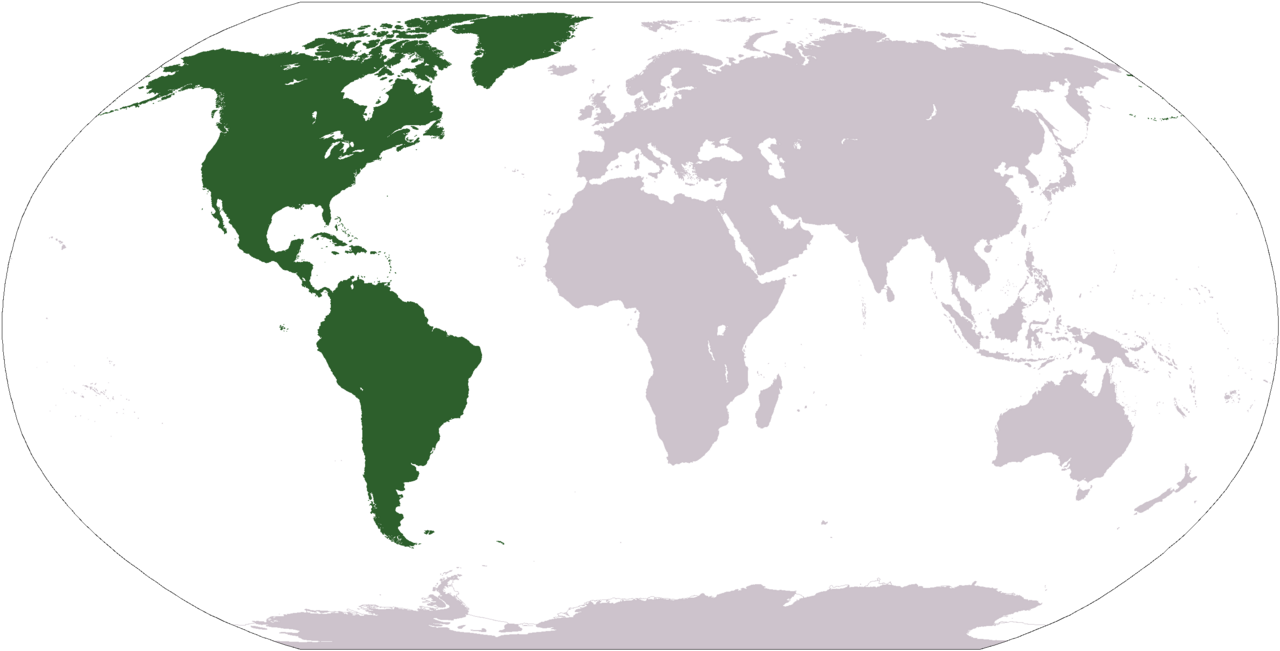
European colonization of the Americas was a multi-century process in which peoples and states from Western Europe explored, claimed, settled, and exploited lands across the Western Hemisphere. It began with Norse voyages to the North Atlantic and continued through the Age of Discovery from the late 15th century. Motivated by trade, religion, political rivalry and the search for land and wealth, European powers created colonies with lasting demographic, economic and cultural effects.
Image gallery
10 Images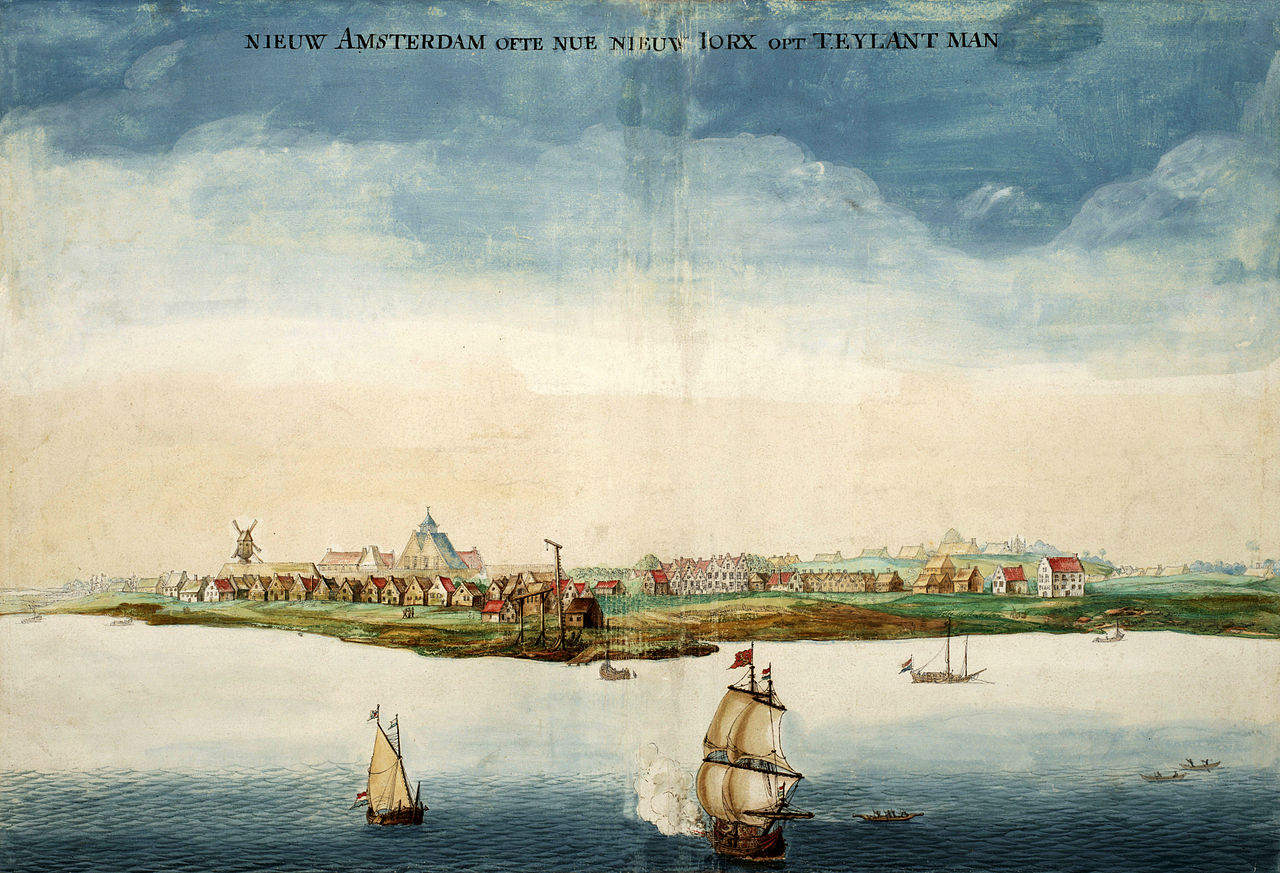





Early contacts: Norse expeditions
Long before the late 1400s, seafarers from northern Europe crossed the Atlantic. The Norse, often called Vikings, sailed from Scandinavia and reached parts of the North Atlantic. Around 1000, Norse groups established temporary settlements in an area they named Vinland, on the coast of what later became known as Newfoundland. These settlements were small, short-lived and remained largely disconnected from the later wave of large-scale colonization.
Age of Discovery and Iberian expansion
The reopening of sustained Atlantic contacts dates to voyages such as that of Christopher Columbus in 1492. Portugal and Spain quickly took leading roles in transatlantic exploration, seeking new sea routes, precious metals and territory. Spain in particular pursued conquest in the Caribbean, Mesoamerica and the Andes through armies and adventurers often referred to as conquistadores. These campaigns combined military force, alliances with some Indigenous groups, and religious missions to extend imperial control.
Other European powers and colonial models
Following the Iberian lead, England, France, the Netherlands, and later Sweden and Denmark, established colonies with different aims and methods. Some colonies were settler-based (English in parts of North America), others were trade-focused (French in the St. Lawrence and the Caribbean), and others operated plantation economies dependent on enslaved labor. The Treaty of Tordesillas and other diplomatic arrangements attempted to divide spheres of influence, but competition and conflict frequently reshaped territorial control.
Colonial systems and institutions
- Encomienda and hacienda systems in Spanish areas concentrated land and labor under colonial elites.
- Plantation economies in the Caribbean and the American South produced sugar, tobacco and other export crops, relying heavily on enslaved African labor.
- Mission networks and colonial administrations spread European languages, laws and Christianity, while also producing creole societies that blended Indigenous, African and European elements.
Impacts on Indigenous peoples and the Atlantic world
European contact produced dramatic demographic and cultural upheaval. Epidemic diseases to which Indigenous populations had no immunity caused catastrophic mortality in many regions. Land dispossession, coerced labor, and warfare displaced and transformed Native societies. Simultaneously, the transatlantic slave trade forcibly brought millions of Africans to work in colonies, shaping labor systems and cultures. Bi-directional exchanges of plants, animals, foods and technologies—often called the Columbian Exchange—changed diets and ecosystems on both sides of the Atlantic.
Path to independence and lasting legacy
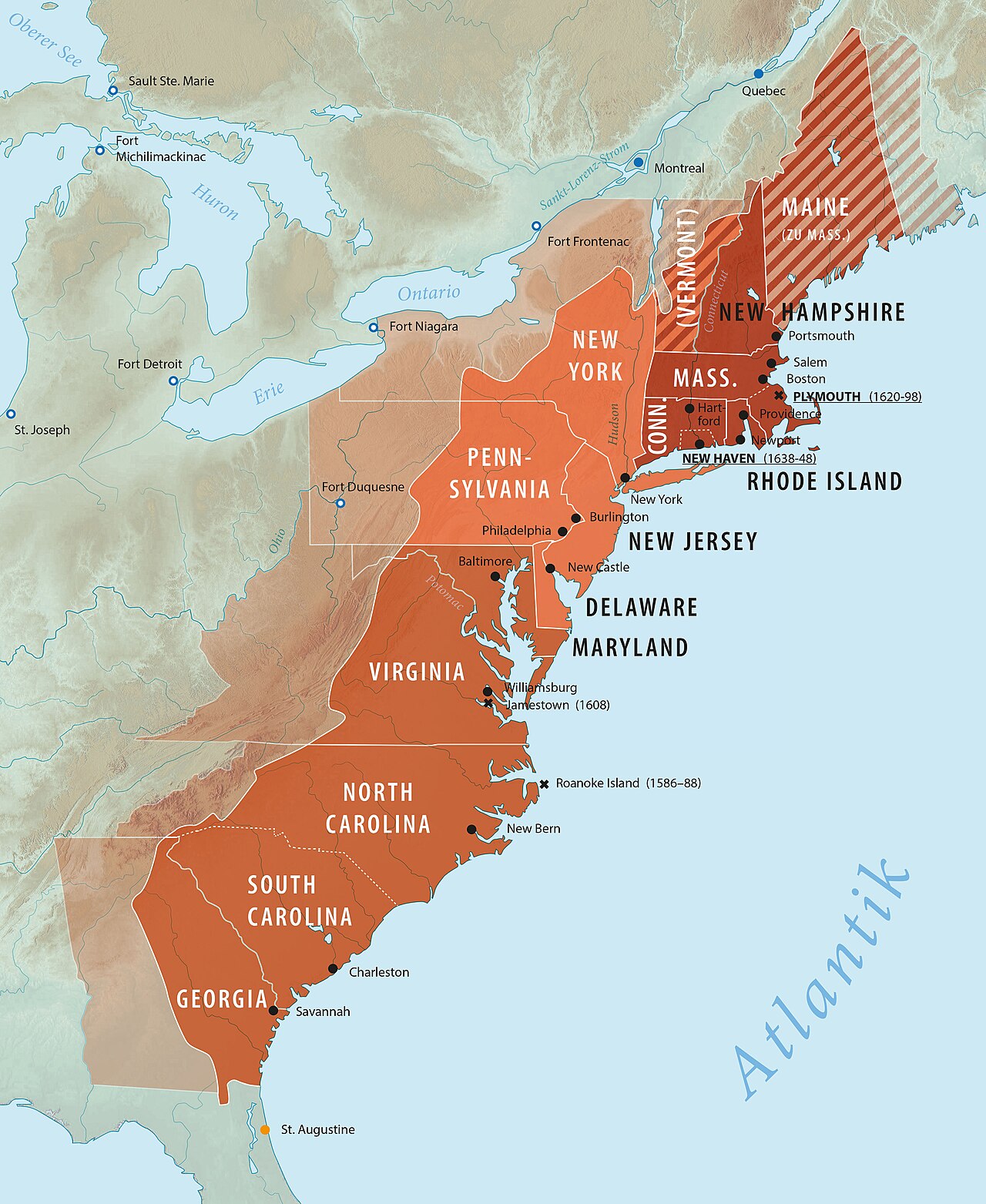
From the late 18th century, political revolutions and wars of independence reshaped colonial empires. The Thirteen Colonies in North America achieved independence in the 1770s and 1780s; in Latin America, independence movements in the early 19th century created new nations across the continent. The legacies of colonization include the widespread use of European languages, reconfigured borders, altered demographic compositions, and enduring economic inequalities. Historians study these legacies to understand modern societies and ongoing debates about rights, restitution and cultural recognition.
Further reading can cover topics such as Norse archaeology, the mechanics of imperial rule, the economics of plantation systems, Indigenous resistance and adaptation, and the comparative histories of English, French, Spanish and Dutch colonies. For introductory overviews and primary-source materials consult accessible resources and archives: Vikings, Scandinavia, northern Europe, dating of Norse voyages, Newfoundland, Columbus, conquistadores.
Questions and answers
Q: Who attempted the first colonization of the Americas?
A: The Vikings from Scandinavia attempted the first colonization of the Americas.
Q: What was the name of the colony established by the Vikings?
A: The colony established by the Vikings was called Vinland.
Q: Where was Vinland located?
A: Vinland was located in what is now called Newfoundland.
Q: Who rediscovered America in 1492?
A: Christopher Columbus rediscovered America in 1492.
Q: Who came to the Americas after Columbus?
A: Spanish conquistadores and many other Europeans came to the Americas after Columbus.
Q: What happened to the natives in the Americas after the arrival of the Europeans?
A: The natives in the Americas suffered great losses and most of them lost their land and learned the language of their conquerors.
Q: When did most of the colonies in the Americas become independent countries?
A: Most of the colonies in the Americas became independent countries after a series of wars in the late 18th and early 19th centuries.
Related articles
Author
AlegsaOnline.com European colonization of the Americas: origins, processes, and consequences Leandro Alegsa
URL: https://en.alegsaonline.com/art/32606