
Puerto Rico: geography, status, culture, and modern challenges
Puerto Rico is a Caribbean island and U.S. territory with a distinct culture, Spanish and English as official languages, a mixed economy, and a complex political status shaped by history and recent fiscal crises.
Overview
Puerto Rico is an island group in the Caribbean with the official designation of the Commonwealth of Puerto Rico. Located in the northeastern Caribbean Sea, it is politically linked to the United States while maintaining many local institutions and cultural traditions; see its position in the region via Caribbean location. The territory is not an independent nation, though proposals and movements for sovereignty and autonomy have existed for generations; for broader context on political options see status debates.
Image gallery
10 Images




Geography and population
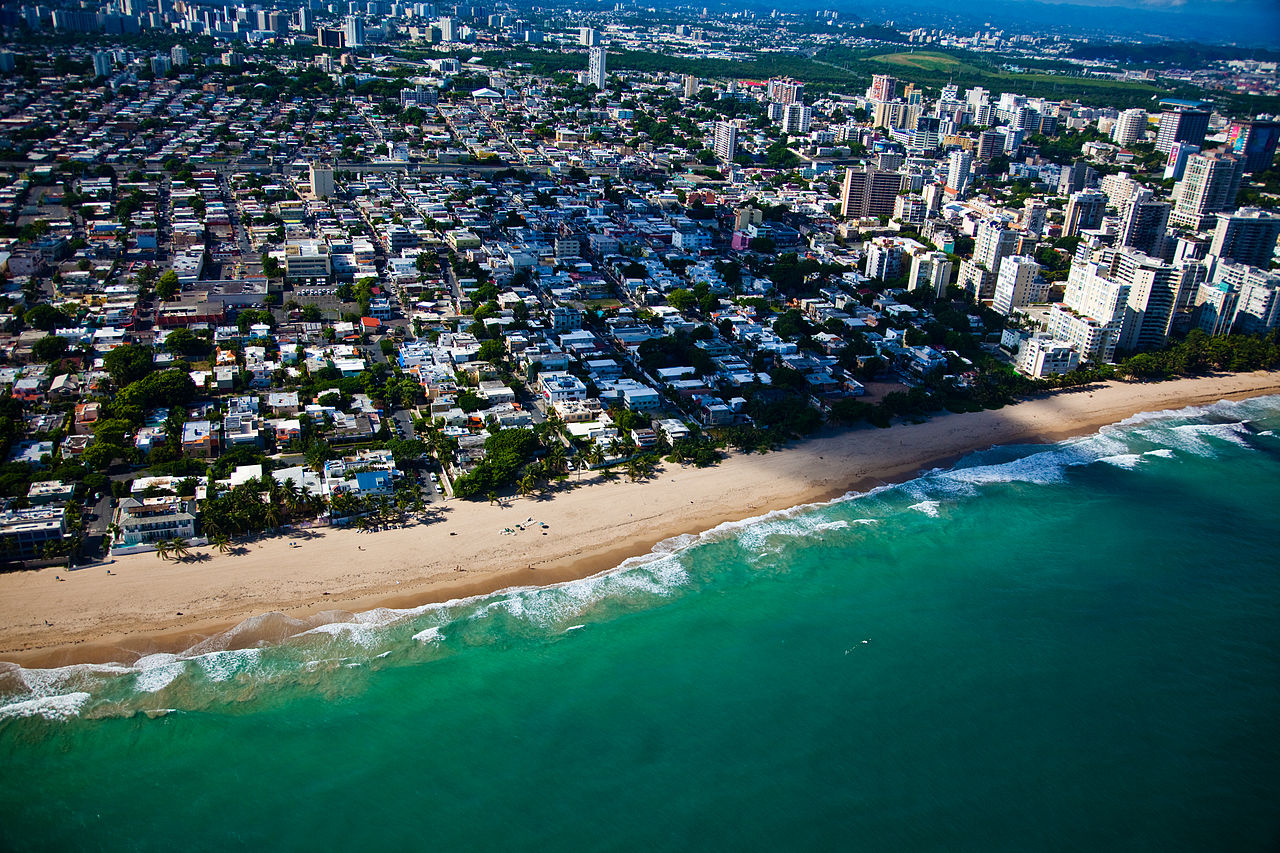
The main island is accompanied by several smaller islands and keys. Notable offshore islands include Mona and other islets, the inhabited island of Culebra, and Vieques, each with different ecological and recreational roles. These places attract visitors for activities such as hiking and camping under regulated access rules. The capital and largest urban area is San Juan, long the political and commercial center of the archipelago; it is the territory’s largest city by population and infrastructure.
Languages, citizenship and governance
Spanish and English are the territory's official languages, with Spanish predominant in everyday life and public culture (Spanish, English). People born in Puerto Rico are United States citizens. The local government follows the structure of a republican system with an elected governor and legislature; more on institutional design appears under descriptions of the political system. Puerto Rico sends a non-voting resident commissioner to the U.S. Congress, and residents do not vote in the U.S. presidential general election, distinctions that shape debate about representation and rights.
Economy and public finances
The economy is a mix of manufacturing (pharmaceuticals, electronics), services such as tourism, and small-scale agriculture that historically included sugar and coffee. The territory uses the United States dollar as its currency (currency), which integrates Puerto Rico closely with the U.S. economy but also limits certain monetary policy options. In 2017 the territory faced a severe fiscal crisis and took legal steps to restructure public debt; coverage of that episode refers to the bankruptcy filing and its characterization as one of the largest municipal or territorial insolvency processes in U.S. history (largest bankruptcy case in American history), a complex situation addressed under federal oversight laws.
History, identity and contemporary issues
Puerto Rico’s history includes indigenous Taino heritage, Spanish colonial rule, and transfer to U.S. sovereignty after the Spanish–American War at the end of the 19th century. Over time the island has seen a range of political currents—statehood supporters, advocates for enhanced commonwealth status, and independence activists—expressed through elections, referendums and public demonstrations; modern record includes protests and episodes of armed resistance in different eras (protests, armed actions). Natural disasters such as major hurricanes have also shaped recent social and economic challenges, prompting extensive recovery efforts and policy debates over resilience and governance.
Importance and notable distinctions
Puerto Rico’s strategic location, cultural vitality, and economic ties to the mainland United States make it important in regional affairs, migration patterns, and commercial networks. Visitors encounter vibrant music, literature and culinary traditions rooted in Caribbean and Spanish influences. Ongoing discussions about political status, fiscal sustainability, disaster recovery, and demographic change ensure that Puerto Rico remains a subject of active public policy attention and civic engagement.
- Further reading: official geography and status summaries can be found via government and scholarly resources (region, status).
- Local guides for outdoor access and conservation are issued by territorial authorities and resource agencies (natural resources, hiking, camping).
Questions and answers
Q: What is Puerto Rico?
A: Puerto Rico, or the Commonwealth of Puerto Rico, is a U.S. territory in the Caribbean Sea. This means that it is part of the United States and citizens of Puerto Rico are citizens of the United States as well.
Q: Is there an independence movement for Puerto Rico?
A: Yes, there has been a movement for independence for almost two centuries. There have been protests, votes, and armed attacks for independence.
Q: How many people live in Puerto Rico?
A: Almost 4 million (4,000,000) people live in Puerto Rico.
Q: What languages are spoken in Puerto Rico?
A: The official languages are Spanish and English; Spanish is spoken by 94.7% of the population and English by 5.3%.
Q: What currency does Puerto Rico use?
A: The currency used is the United States dollar.
Q: What does "Puerto Rico" mean in Spanish?
A: "Puerto Rico" means "rich port" in Spanish.
Q: Are all three smaller islands around Puerto Rica populated year-round?
A: Of those three smaller islands - Mona, Vieques, and Culebra - only Culebra and Vieques are populated all year; Mona is unpopulated but employees of the Puerto Rican Department of Natural Resources sometimes visit to inspect it and its wildlife
Related articles
Author
AlegsaOnline.com Puerto Rico: geography, status, culture, and modern challenges Leandro Alegsa
URL: https://en.alegsaonline.com/art/79962
Sources
- commons.wikimedia.org : Puerto Rico
- books.google.com : Puerto Rico: Culture, Politics, and Identity
- state.gov : "U.S. Department of State. Dependencies and Areas of Special Sovereignty"
- lexjuris.com : "Carta Autonómica de 1897 de Puerto Rico"
- gdb-pur.com : "Government Development Bank of Puerto Rico, May 2011"
- census.gov : census.gov
- reuters.com : "Puerto Rico files for biggest ever U.S. local government bankruptcy"
- gao.gov : U.S. Insular Areas: Application of the U.S. Constitution
- worldbook.com : "The second voyage of Columbus"
- canada.com : "Vieques Island - What lies beneath"