
Sui Dynasty: Reunification, Reform, and the Grand Canal
Short-lived Chinese dynasty (581–618) that reunified north and south, initiated major reforms and infrastructure projects such as the Grand Canal, and set the stage for the Tang era.
Overview
The 隋朝 (Suí cháo) was an imperial regime of China that ruled from 581 to 618. It ended a prolonged era of political fragmentation and reestablished centralized control across much of the territory now regarded as China. Although brief, the Sui period had disproportionate influence on administrative structures, transport, and statecraft that shaped the succeeding Tang dynasty.
Image gallery
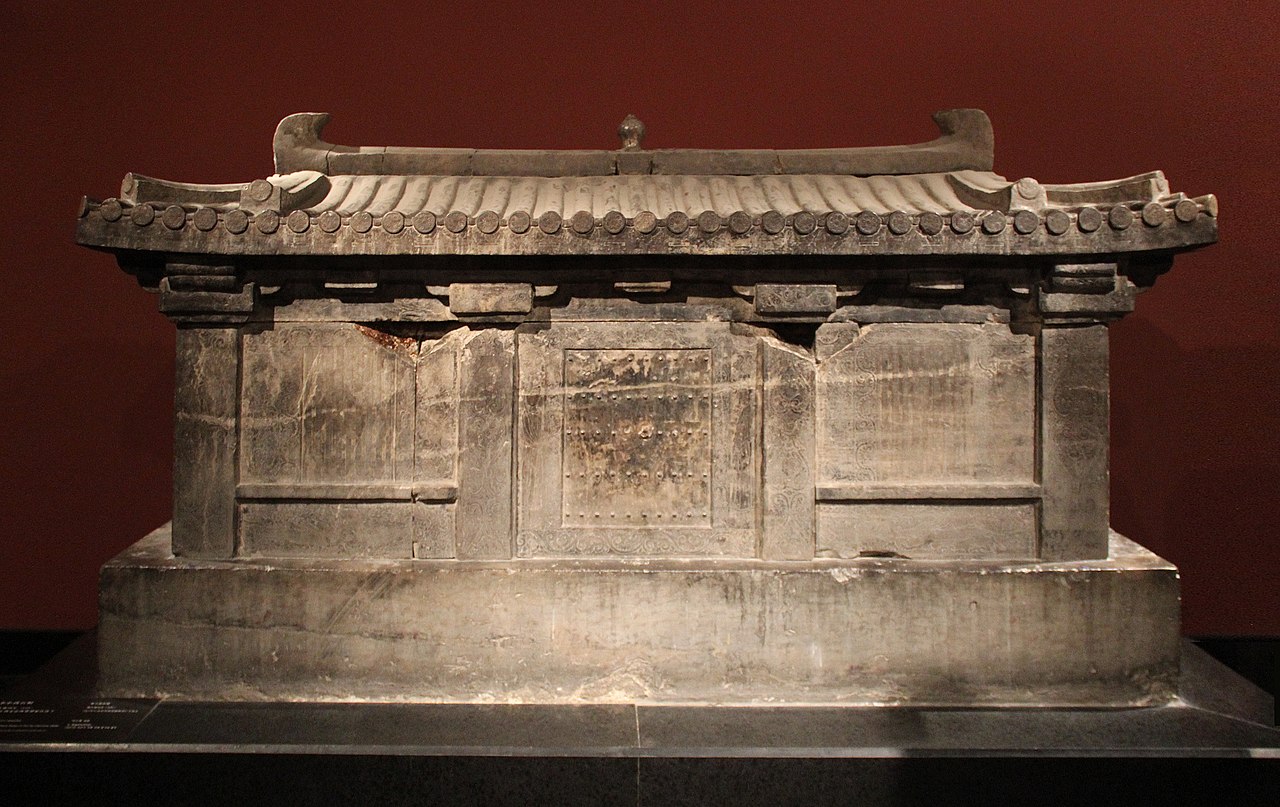
10 Images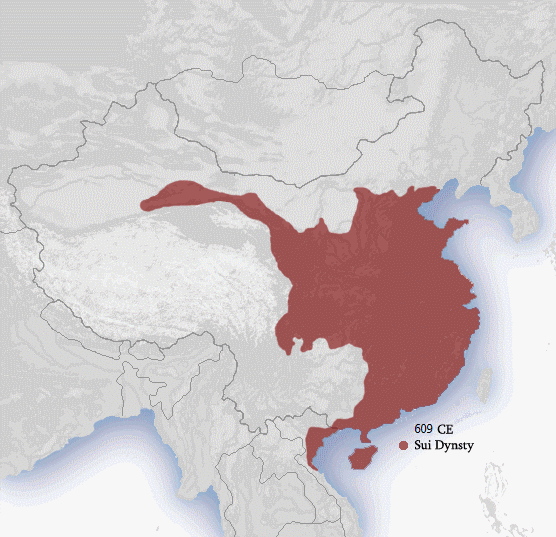




Founding and rulers
The dynasty was founded by Yang Jian, better known by his temple name Emperor Wen (Emperor Wen). From the new capital at Chang'an, which corresponds to modern Xi'an, Sui rulers consolidated power by absorbing rival states and reorganizing provincial administration. The imperial house sought to strengthen central authority after centuries of regional division.
Reforms and public works
Sui administrations pursued wide-ranging reforms to unify law, taxation and recruitment systems, reduce local military autonomy, and improve grain distribution. One of their signature achievements was the construction and enlargement of the Grand Canal, a linked system of waterways that facilitated transport of grain and goods between the fertile south and the political centers in the north.
- Administrative reform: standardizing institutions and civil service practices.
- Infrastructure: canal building, road repairs and river works to improve commerce and supply lines.
- Military and fiscal policy: campaigns to reunify territory and efforts to centralize tax collection.
Rise, collapse and legacy
Rapid military expansion and costly public projects strained state resources and provoked unrest. Rebellion and logistical challenges contributed to the dynasty's fall in 618, after which the Tang dynasty emerged and absorbed many Sui policies. The Sui era is remembered for ending centuries of division, for initiating projects that enabled economic integration, and for administrative precedents that influenced later imperial China.
For concise references to names and terms, see the Chinese form 隋朝 and its pinyin Suí cháo, and entries on the dynasty as an imperial dynasty of China. Historical profiles often highlight Emperor Wen and the capital at Chang'an (Xi'an).
Related articles
Author
AlegsaOnline.com Sui Dynasty: Reunification, Reform, and the Grand Canal Leandro Alegsa
URL: https://en.alegsaonline.com/art/94658