
Song cycle: definition, history, and notable examples
A song cycle is a group of art songs conceived as a single work. This article explains its features, history, major composers and examples, performance practice, and distinguishing characteristics.
A song cycle is a collection of individual songs written to be performed together as a coherent whole rather than as unrelated stand-alone pieces. Composers may link songs through a continuous narrative, recurring musical motifs, shared poetry or a common theme such as love, loss, travel or nature. Although each song can usually be sung separately, the composer often intended the cycle to create a larger dramatic or emotional arc when presented in sequence. See a concise definition and related notes by authoritative sources for further reading.
Image gallery
1 Image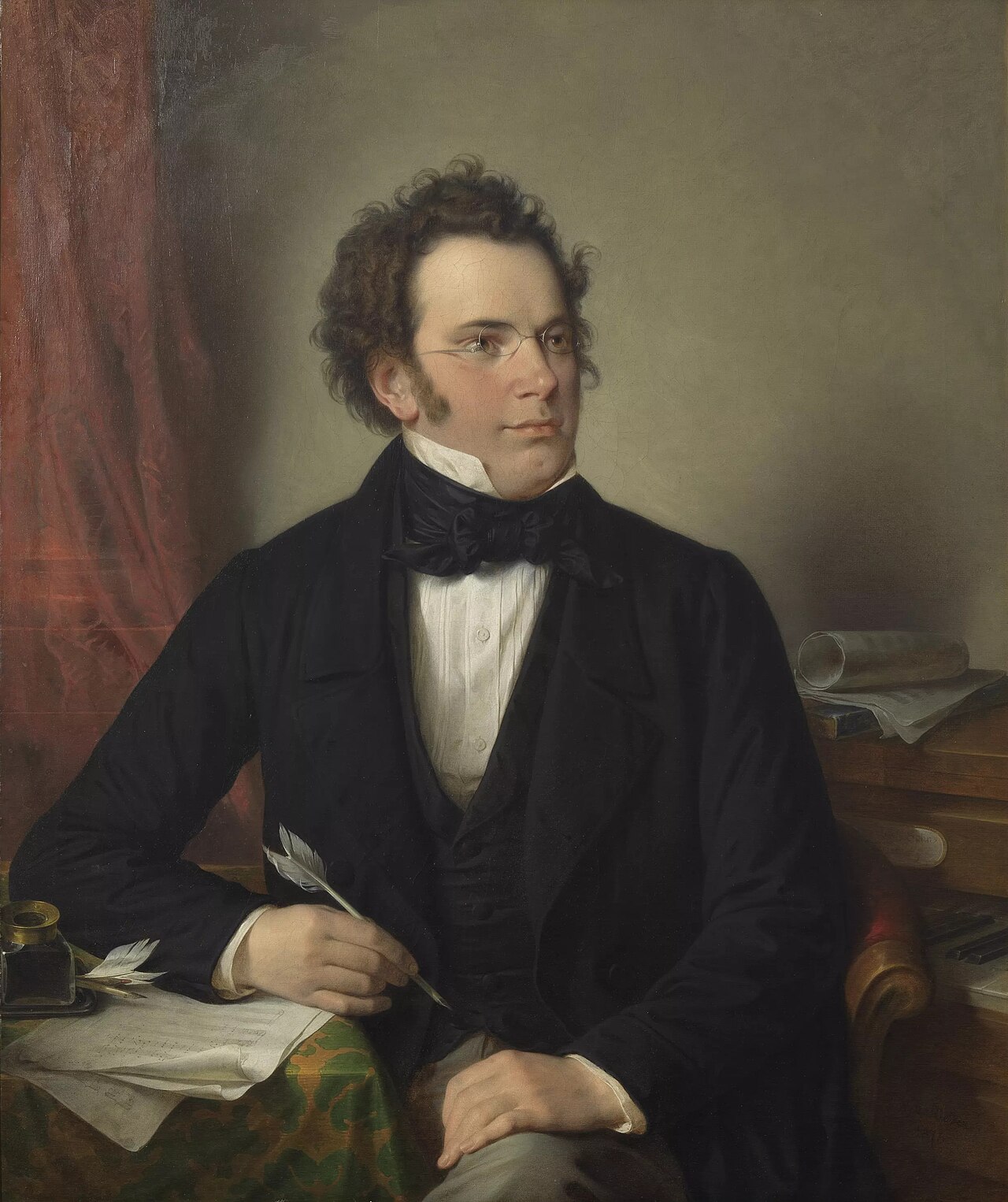
Typical characteristics
Song cycles most commonly feature a single solo voice with piano accompaniment, but scoring ranges widely. Some cycles are unaccompanied, others use chamber ensembles or full orchestras. The relationship between singer and accompanist is frequently intimate: the piano or ensemble often provides scene-setting, commentary, or musical material that binds the songs together. For discussion of scoring and roles, consult notes on solo voice, piano and orchestra practice.
Textual unity is another common trait: many cycles set poems by a single poet or a linked sequence of texts, though some borrow poems from different sources and still achieve coherence through mood or musical gesture. The idea of an integrated cycle differs from song collections assembled by publishers or performers without compositional intent; see commentary on the role of the composer in shaping structure.
History and development
The song cycle rose to prominence during the Romantic era, when composers sought new ways to merge poetry and music into compact dramatic forms. Scholars often associate the genre with the 19th-century German Lied tradition and the broader Romantic period, especially in Germany during the 19th century. Early models and experiments existed before Romanticism, but the aesthetic priorities of the era—heightened expression, close attention to lyrical text, and cyclical unity—helped define the form.
The Austrian composer Franz Schubert wrote some of the most influential early cycles, combining vivid storytelling with compact song forms. Robert Schumann expanded the expressive palette and coined titles emphasizing poetic collections. In the late 19th and early 20th centuries, Gustav Mahler and others adapted the idea for larger forces, producing orchestral song cycles such as Das Lied von der Erde that blur the boundary between symphony and song.
Notable national traditions and composers
Different countries developed distinctive approaches to song cycles. French composers explored subtle color and refined prosody; see examples by French writers such as Jules Massenet, Gabriel Fauré and Claude Debussy. Russian composers brought folk inflections and dramatic intensity; notable names include Modest Mussorgsky and Dmitri Shostakovich. In Britain and the United States, 20th-century composers embraced both tradition and innovation: English and American repertoires from the 20th century feature figures such as Michael Tippett, Benjamin Britten and Aaron Copland. Latin American composers contributed distinctive idioms and national colors, represented by South American artists including Heitor Villa-Lobos among others.
Performance, repertoire and distinctions
In performance, song cycles require attention to pacing, keys, and dramatic continuity. Singers and accompanists often shape tempi and dynamics across the set to preserve the narrative or emotional trajectory. Some cycles are long enough to fill an entire recital; others form part of a mixed program. Critics and scholars distinguish a genuine song cycle—where songs are interdependent—from anthologies that merely group unrelated songs.
Song cycles remain central to vocal repertoire because they combine poetic depth with compositional craft. They provide performers and listeners with an extended dramatic experience that highlights a composer’s handling of text, harmony and form. For further study, specialist analyses and historical surveys are useful starting points: consult introductions to art song and cycle-focused monographs accessible through music libraries or educational portals.
Questions and answers
Q: What is a song cycle?
A: A song cycle in classical music is a group of songs that belong together, often with the same poet's words and meant to be performed as one work.
Q: When did song cycles become popular?
A: Song cycles became popular with composers in the Romantic period.
Q: Who are some German composers associated with writing song cycles?
A: Some German composers associated with writing song cycles include Franz Schubert, Robert Schumann and Gustav Mahler.
Q: Are there any French or Russian composers who wrote song cycles?
A: Yes, French composers who wrote song cycles include Jules Massenet, Gabriel Fauré and Claude Debussy. Russian composers include Modest Mussorgsky and Dmitri Shostakovich.
Q: Are there any English or American composers who wrote song cycles?
A: Yes, English and American 20th century composers who wrote song cycles include Michael Tippett, Benjamin Britten, Aaron Copland as well as South American Alberto Ginastera, Juan María Solare and Heitor Villa-Lobos.
Q: What instruments are typically used for a song cycle?
A: Song cycles are typically for solo voice and piano accompaniment but can also be without accompaniment or with several instruments or even a whole orchestra.
Q: What is an example of a long song cycle written by Franz Schubert?
A: An example of a long song cycle written by Franz Schubert is Winterreise (Winter’s Journey) and Die schöne Müllerin (The beautiful miller’s daughter).
Related articles
Author
AlegsaOnline.com Song cycle: definition, history, and notable examples Leandro Alegsa
URL: https://en.alegsaonline.com/art/91817