
Aaron Copland (1900–1990): American composer, conductor, and educator
Aaron Copland was a leading 20th-century American composer who shaped a distinctly American concert music voice through ballets, orchestral works, film scores, teaching and writing.
Overview
Aaron Copland was one of the most influential American composers of the 20th century. His works for orchestra, ballet, chamber groups, piano and voice helped shape a widely recognized "American" sound in concert music. In addition to composing, Copland performed as a pianist and conductor, taught students, lectured to broad audiences and wrote about music. For concise biographies and archival information see biographical resources and archival collections.
Image gallery
10 Images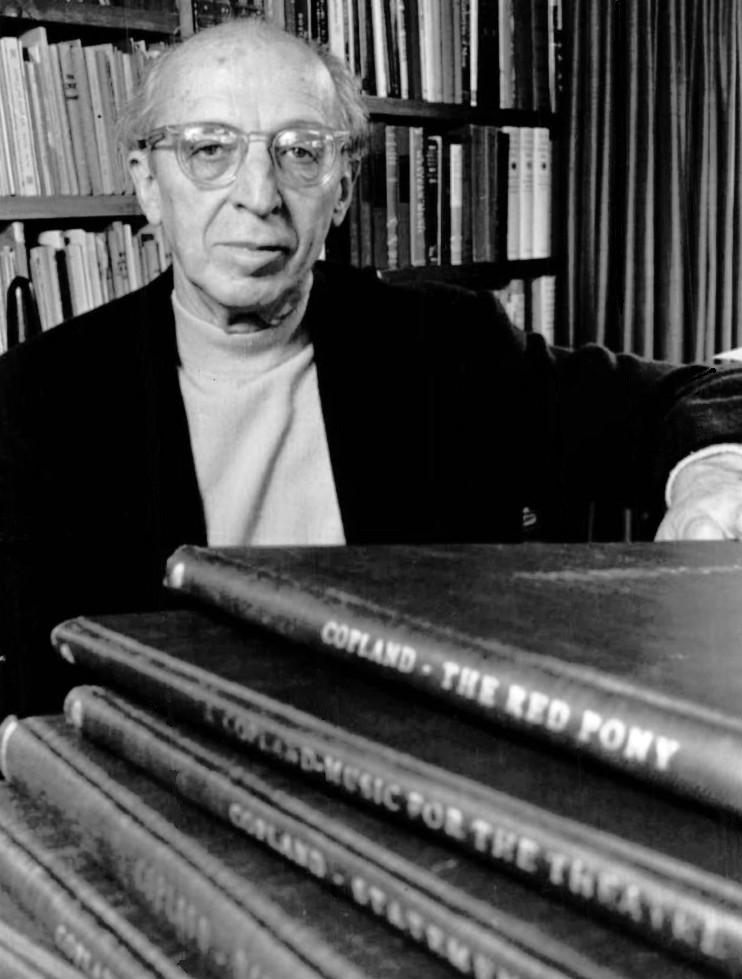


Early life and education
Born in 1900 to immigrant parents, Copland studied locally before traveling to Europe to continue his musical education. His time in Paris exposed him to contemporary continental techniques and modernist currents; he returned to the United States intent on developing a national musical language. For studies and early career context consult historical surveys and education guides.
Musical style and major works
Copland's style evolved over several decades. Early works show European modernist influence; later pieces embrace clear textures, spacious harmonies and melodies that many listeners associate with American landscapes and open spaces. He often used folk material and popular idioms in a way that felt integrated rather than simply quoted. To explore scores and program notes, see score resources and program notes.
- Appalachian Spring — originally a ballet score later arranged as a suite, often cited as emblematic of Copland's accessible, open-textured style.
- Fanfare for the Common Man — a short, widely performed brass-and-percussion piece that has become a staple of repertory.
- Rodeo and Billy the Kid — ballets that draw on frontier imagery and dance rhythms to create vivid stage works.
- Film and theater music — Copland composed for stage and screen, contributing to the reach of his musical voice beyond the concert hall.
Recordings, scholarly analyses and performance guides offer entry points for deeper listening; see recording archives, musicological studies and teaching materials.
Ballet, film and collaborations
Copland collaborated closely with choreographers and filmmakers, producing scores that helped define mid-century American dance and cinematic sound. His work for interdisciplinary projects demonstrated an ability to write music that supports movement and narrative while retaining independent musical interest. Contextual listings of these collaborations appear in collaboration catalogs and production histories.
Teaching, writing and public outreach
Beyond composition, Copland was an active teacher, lecturer and writer. He sought to make contemporary music intelligible to wider audiences, producing essays and program notes and delivering lectures. His outreach included mentoring younger composers and advocating for American music institutions. Selected writings and lecture materials can be consulted at selected writings and lecture archives.
Honors, influence and legacy
Copland received numerous honors and left a substantial catalog of works that continue to be studied and performed. Critics and historians credit him with helping listeners recognize a shared cultural voice in concert music while maintaining modern artistic standards. His influence is evident in educational curricula, orchestral programming and film scoring practice. For timelines, honors and modern programming see current programming and related resources.
Questions and answers
Q: Who was Aaron Copland?
A: Aaron Copland was an American composer who wrote modern music.
Q: What kinds of music did Aaron Copland write?
A: Aaron Copland wrote many kinds of music, including music for the orchestra, piano, and voice. He also wrote music for plays, movies, and dance.
Q: Besides being a composer, what other roles did Aaron Copland take on?
A: Besides being a composer, Aaron Copland also was a conductor, pianist, speaker, teacher, and writer.
Q: What do music critics say about Aaron Copland's impact on American music?
A: Music critics say that Aaron Copland taught Americans about themselves through his music.
Q: Did Aaron Copland incorporate old American folksongs in his work?
A: Yes, Aaron Copland used parts of many old American folksongs in his work.
Q: Why did Aaron Copland decide to incorporate American folksongs in his compositions?
A: Aaron Copland decided to compose music that was truly American after studying music in France and realizing that Americans had nothing like the French way of writing music.
Q: When was Aaron Copland born and when did he pass away?
A: Aaron Copland was born on November 14, 1900 and he passed away on December 2, 1990.
Related articles
Author
AlegsaOnline.com Aaron Copland (1900–1990): American composer, conductor, and educator Leandro Alegsa
URL: https://en.alegsaonline.com/art/254