
Heitor Villa-Lobos
Brazilian composer Heitor Villa-Lobos (1887–1959) blended indigenous and popular Brazilian music with European classical forms, producing a vast, influential body of orchestral, chamber, vocal and guitar works.
Overview
Heitor Villa-Lobos (born 5 March 1887 — died 17 November 1959) is widely regarded as the leading Brazilian composer of the 20th century and one of the most important musical figures to emerge from South America. His output spans a wide range of genres: orchestral, choral, chamber, solo instrumental and vocal music. He is remembered for creating a distinctive national voice that draws on both vernacular traditions and learned counterpoint.
Image gallery
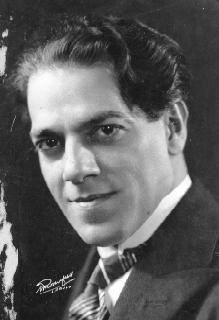
9 Images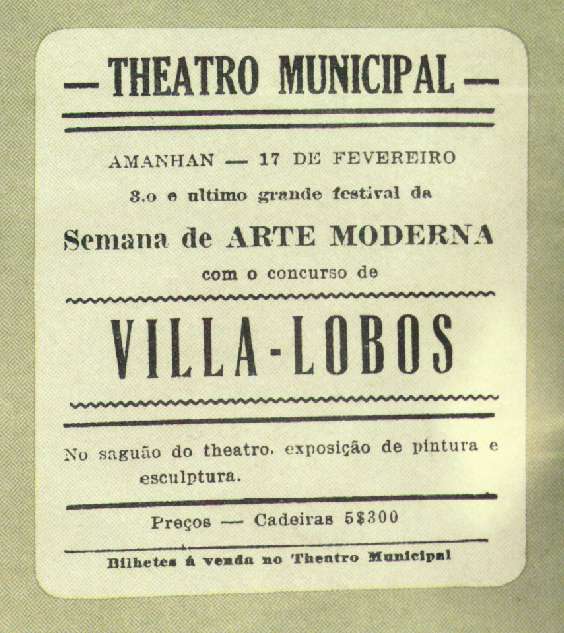



Style and characteristics
Villa-Lobos combined rhythmic vitality and melodic material drawn from popular and folk sources with techniques inherited from European classical music. He often used modal and pentatonic scales, colorful orchestration, and rhythmic patterns inspired by Brazilian dance and song. The music of Johann Sebastian Bach influenced his approach to counterpoint, notably in his series of works that explicitly merge Brazilian elements with Bachian textures.
Major works and genres
- Bachianas brasileiras — a set of pieces combining Brazilian melodies and Bach-like counterpoint;
- Chôros — a group of compositions that explore urban and popular Brazilian styles with orchestral and chamber forces;
- Numerous orchestral scores and works for orchestra, chamber pieces including chamber music, solo guitar repertoire, piano works and songs.
His output includes music written for educational and community performance, arrangements of folk material, and works intended for concert presentation. He drew directly on Brazilian folk music and popular genres while engaging with traditions from Europe.
Life and development
Born in Rio de Janeiro, Villa-Lobos was largely self-taught and active throughout the first half of the 20th century. He travelled within Brazil collecting tunes, adapting popular material, and experimenting with form. Critics and audiences have noted his ability to synthesize local and international influences, a trait described in many accounts of 20th-century music.
Legacy and significance
Villa-Lobos left a substantial legacy: his works expanded the concert repertoire for guitar, chorus and orchestra and helped establish a modern Brazilian musical identity. He remains a central figure in studies of nationalism in music and in the repertoire of performers who champion 20th-century Latin American composition. For further reading about his life and catalogue see resources on his birth and death records and general composer biographies (birth, death, biographical, influence, classical context, regional importance, folk sources, European links, Bach connection).
Related articles
Author
AlegsaOnline.com Heitor Villa-Lobos Leandro Alegsa
URL: https://en.alegsaonline.com/art/120464