
Dmitri Shostakovich: life, music, and legacy
Overview of Dmitri Shostakovich (1906–1975), the Russian‑Soviet composer whose symphonies, quartets and theatrical scores shaped 20th‑century music and provoked debate about art under authoritarian rule.
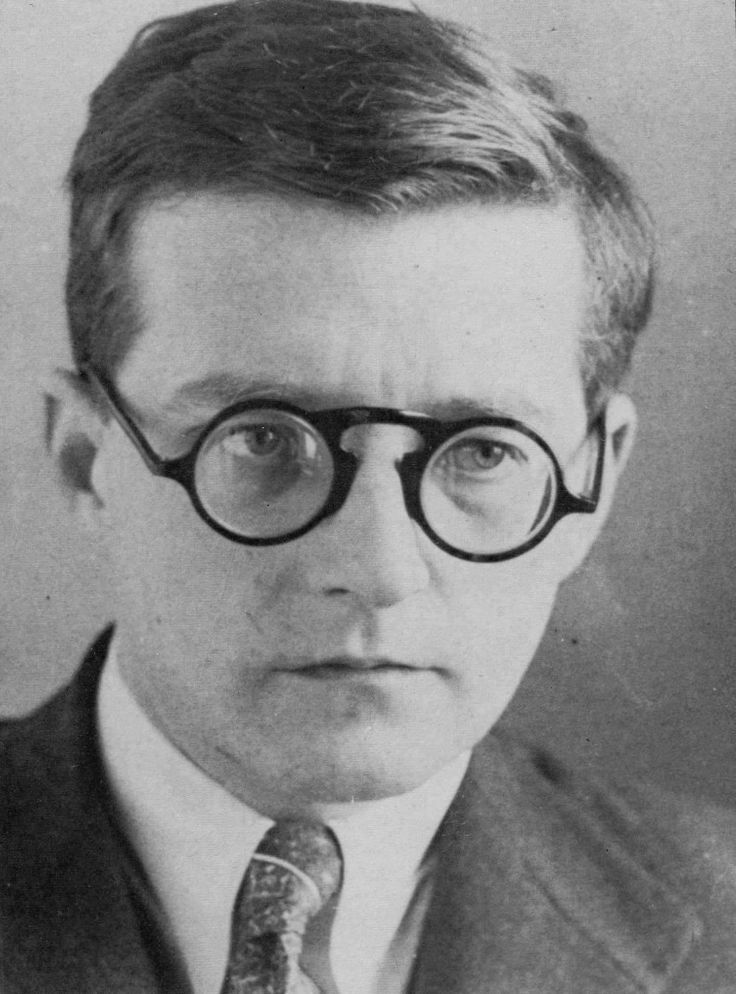
Dmitri Dmitriyevich Shostakovich (born in Saint Petersburg, 25 September 1906; died in Moscow, 9 August 1975) was one of the leading composers of the Soviet era. He wrote across many genres — symphonies, concertos, chamber music, opera and film scores — and his works remain central to concert life worldwide. For basic biographical outlines and chronology see further biographical resources.
Image gallery
10 Images




Style and musical characteristics
Shostakovich combined strong melodic ideas with contrapuntal craft and a frequently ambivalent tonal language. His music can be starkly expressive, sardonic, humorous, or mourning; recurring motifs and tight motivic development give many pieces an unmistakable voice. He also adopted a personal musical signature, commonly called the DSCH motif, that appears in several late works. For discussions of his techniques and score examples consult specialist analyses.
Major works and forms
His output is wide in scope. Highlights include:
- Fifteen symphonies that range from large‑scale public statements to introspective late works.
- Fifteen string quartets, regarded as some of the most intimate and innovative of the 20th century.
- Concertos for piano, violin and cello, operas and numerous film and theatre scores.
Recordings and editions collecting these works are catalogued in many reference collections; see discography and scores for details.
Historical context and reception
Shostakovich’s career unfolded under Soviet rule, and his relationship with official institutions was complex: he was alternately honored and publicly criticized. Notable episodes — including the 1930s denunciations that affected his opera productions and the wartime context of his Seventh Symphony — shaped contemporary reception and later interpretation. Primary documents and historical studies are available at contextual archives.
Musicologists debate whether certain ironic or tragic elements in his scores were coded dissent or artistic survival; this ambiguity is part of his lasting fascination. Today his music is widely performed and recorded, admired for its emotional range, technical mastery and capacity to speak to political as well as personal experience.
Shostakovich’s legacy includes a body of work that continues to challenge performers and listeners, a considerable influence on later composers, and an ongoing role in discussions about art and power in the 20th century.
Related articles
Author
AlegsaOnline.com Dmitri Shostakovich: life, music, and legacy Leandro Alegsa
URL: https://en.alegsaonline.com/art/117746