
Gabriel Fauré: life, music, and influence
Overview of French composer Gabriel Fauré, his biography, musical style, key works (Requiem, songs, chamber music), roles as organist and teacher, and his influence on 20th-century music.
Gabriel Urbain Fauré was a central figure of French music around the turn of the 20th century. He was born in Pamiers in the department of Ariège, within the region historically known as Midi-Pyrénées. His birth on May 12, 1845 marked the arrival of a composer who would become celebrated as a sensitive melodist and a subtly innovative harmonist. Fauré died in Paris on November 4, 1924, leaving a body of work valued for its refinement and emotional restraint.
Image gallery
10 Images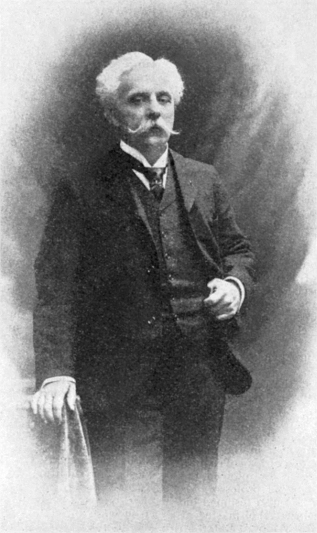




Roles and musical identity
In his professional life Fauré combined several musical roles: he worked as a respected composer, an accomplished organist, and a skilled pianist, and he was a sought-after teacher. Unlike many of his contemporaries in France, who gained reputations primarily through grand opera, Fauré’s lasting fame rests on smaller-scale forms: art songs (mélodies), piano pieces, chamber works and sacred music. His harmonic language — noted for its modal inflections, ambiguous resolutions and economy of means — had wide influence on later composers; commentators often point to his distinctive harmonies as a bridge toward 20th-century tonal practice.
Life and career highlights
Fauré’s career combined cathedral posts, conservatory teaching and leadership positions. He served in church and private posts that honed his skills as an organist and chorus director. Later he taught composition and held administrative roles at France’s principal conservatory, shaping generations of students. Although he wrote only a single completed opera, his output is broad in other genres and often intimate in scale.
Major works and representative pieces
Fauré’s catalogue includes many works that remain in the standard repertoire. His songs (mélodies) are frequently performed and recorded; his contributions to French song are a core part of his reputation. Chamber music occupies a similar place of importance — for example his significant string quartets and piano trios. Among his sacred works the Requiem stands out for its serenity and restraint: the brief soprano or treble solo Pie Jesu is commonly sung by a child or light-voice, though it may also be given by a soprano. The Requiem’s scoring allows performances with a relatively small orchestra and choir, making it approachable for many ensembles.
- Popular piano and salon pieces: the Berçeuse from the Dolly Suite, preludes and nocturnes.
- Orchestral and stage music: incidental music such as the Sicilienne from works for theatre.
- Art song highlights: songs like "Après un rêve" are often transcribed and performed by other instruments (for example the cello), showing their melodic adaptability.
Style, pedagogy and legacy
Fauré’s musical language is often described as refined, economical and inward-looking. He favored clear melodic lines, subtle rhythmic flexibility and harmonies that avoid crude dramatics in favor of suggestion and color. As a teacher and administrator he influenced younger composers and performers, promoting a French tradition that balanced classical form with modern harmonic color. His approach to song and chamber music helped define an aesthetic alternative to grand operatic spectacle.
Today Fauré is recognized both for the high proportion of his works that remain in regular concert use and for his role as a transitional figure between 19th-century Romanticism and early 20th-century modernism. His music continues to be valued for its craftsmanship, expressive understatement and the quiet intensity that characterizes many of his finest pages.
Questions and answers
Q: Who was Gabriel Urbain Fauré?
A: Gabriel Urbain Fauré was a French composer, organist, pianist, and music teacher who was born in Pamiers, Ariège, Midi-Pyrénées, on May 12, 1845, and died in Paris on November 4, 1924.
Q: What was Fauré known for as a composer?
A: Fauré was known for his harmonies, which had a significant influence on many 20th century composers. He was also known for his French songs, chamber music, and piano music.
Q: How did Fauré differ from most French composers of his time?
A: Most French composers of Fauré's time became famous by writing operas, but Fauré only wrote one opera.
Q: What are some of Fauré's most important works?
A: Some of Fauré's most important works include his French songs, chamber music, piano music, and his Requiem, which is one of the most popular of all requiems and can be performed with a small orchestra and choir.
Q: What is special about Fauré's Requiem?
A: Fauré's Requiem includes a solo, Pie Jesu, for a treble singer or soprano.
Q: What are some other popular pieces composed by Fauré?
A: Some other popular pieces composed by Fauré include his Berçeuse from the Dolly Suite for piano duet, the Sicilienne from the music for Pelléas et Mélisande, and the song Après un rêve, which is sometimes played by a solo instrument like the cello.
Q: How did Fauré's music impact the world of music?
A: Fauré's music, particularly his harmonies, had a big influence on many 20th century composers.
Related articles
Author
AlegsaOnline.com Gabriel Fauré: life, music, and influence Leandro Alegsa
URL: https://en.alegsaonline.com/art/119348