
Modest Mussorgsky: Life, Music, and Legacy
Overview of Modest Mussorgsky, the 19th‑century Russian composer of Boris Godunov, Pictures at an Exhibition and Night on a Bald Mountain; style, major works and editorial history.
Overview
Modest Petrovich Mussorgsky (born Karevo, Pskov district, 21 March 1839; died St Petersburg, 28 March 1881) was a Russian composer whose work aimed to express a native musical voice rather than to imitate Western models. He produced operas, piano pieces and songs that sought dramatic truth and close attention to speech rhythms. For a concise biographical outline, his life is commonly recounted as one of early promise, creative innovation and tragic decline.
Image gallery
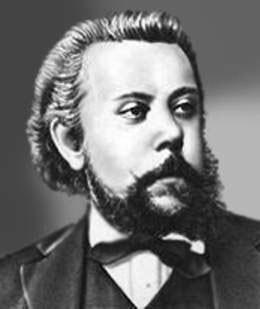
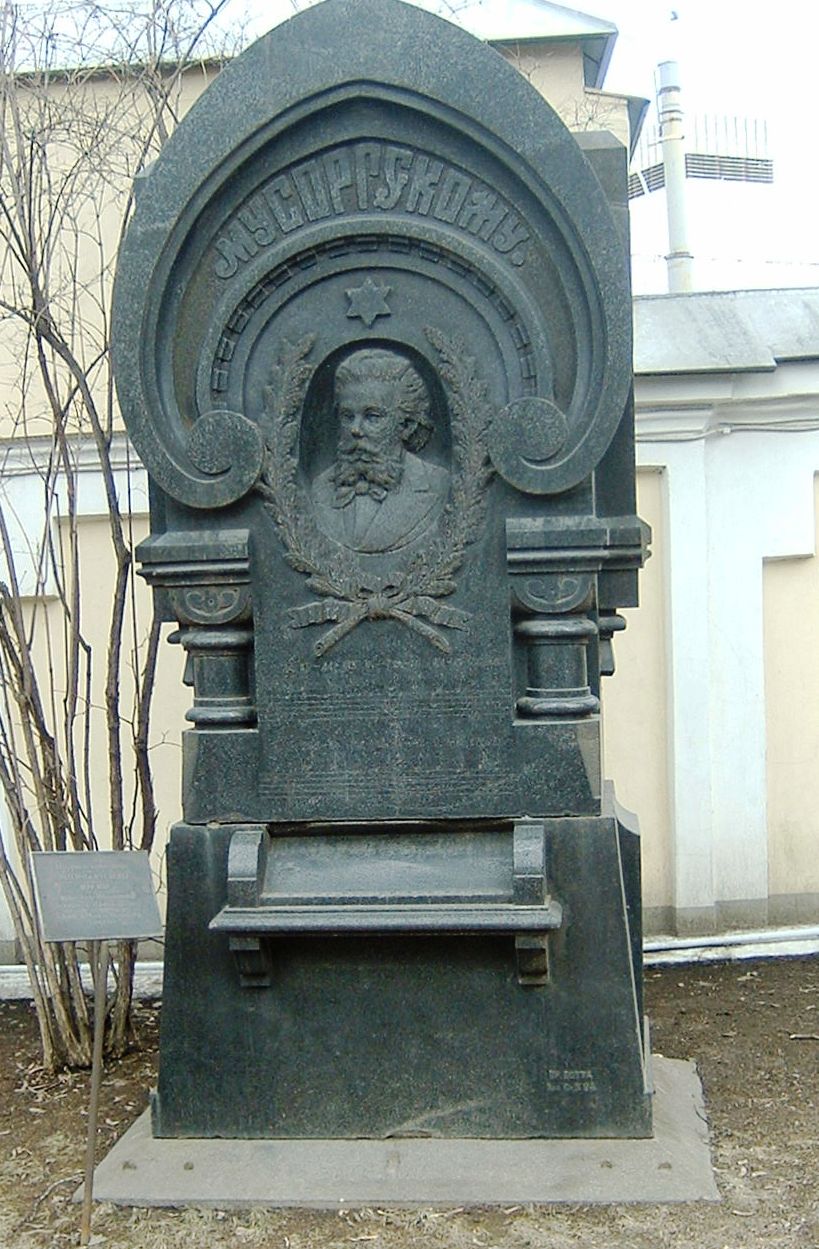
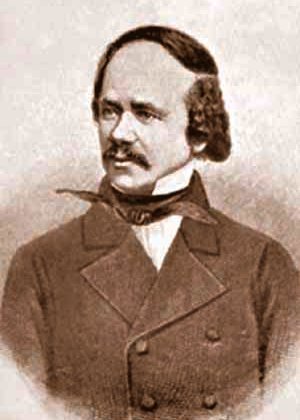
10 Images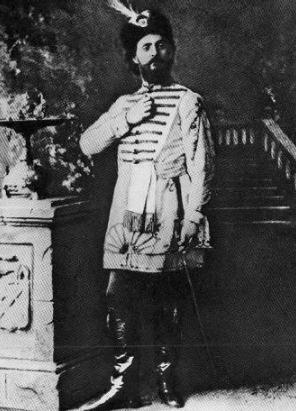





Style and innovations
Mussorgsky favored directness and dramatic realism over salon polish. His vocal lines often mirror the natural stress and cadence of the Russian language, producing declamatory passages that can sound conversational yet highly expressive. Harmonies and textures in his music sometimes avoid conventional progressions in favor of modal inflections, stark sonorities and abrupt shifts that heighten psychological effect. These features made his music distinctive and influential for later writers interested in musical nationalism and realism.
Major works
Although his catalog is not large, several works have become staples of concert and operatic repertory. Mussorgsky wrote important operas, piano cycles and orchestral pieces that remain widely performed:
- Boris Godunov — his best-known opera, a weighty historical drama rooted in Russian history and popular tradition.
- Night on a Bald Mountain — an orchestral fantasy depicting a witches' sabbath, famous for its vivid, ominous character.
- Pictures at an Exhibition — originally a suite for piano inspired by visual art; it is now often heard in the orchestration by Maurice Ravel (Ravel) after being orchestrated.
- Numerous songs and smaller pieces that show his skill at musical characterization and dramatic pacing.
Life, context and editions
Mussorgsky was associated with a circle of nationalist composers known informally as "The Five," who promoted a Russian approach to art music. His career was affected by financial hardship and personal problems, and several works were left unfinished at his early death. In the years after his passing, colleagues such as Nikolai Rimsky-Korsakov edited and re-orchestrated some scores — actions that helped disseminate Mussorgsky's music but sometimes altered its original textures and harmonic daring.
Reception and legacy
During the twentieth century performers and scholars increasingly turned back to Mussorgsky's authentic manuscripts, arguing that his rawness and unconventional choices are artistic strengths. Today his operas and concert pieces are regularly performed and recorded, appreciated both for their vivid storytelling and for the influence they exerted on later composers and arrangers. Mussorgsky's work remains a touchstone for discussions about national style, editorial practice and the balance between fidelity and adaptation in musical performance.
Questions and answers
Q: Who was Modest Petrovitch Mussorgsky?
A: Modest Petrovitch Mussorgsky was a Russian composer who was born in Karevo, Pskov district on March 21, 1839 and died in St. Petersburg on March 28, 1881.
Q: What is Mussorgsky famous for?
A: Mussorgsky is famous for his operas and songs, and for discovering new ways of writing for the voice that were both tuneful and suited to the Russian language.
Q: What is Mussorgsky's most famous opera?
A: Mussorgsky's most famous opera is Boris Godunov.
Q: What is "Night on a Bald Mountain"?
A: "Night on a Bald Mountain" is an overture composed by Mussorgsky.
Q: What is "Pictures at an Exhibition" and who orchestrated it?
A: "Pictures at an Exhibition" is a famous piece composed by Mussorgsky for the piano. It was orchestrated by Maurice Ravel many years after Mussorgsky's death, and this is the version that is usually heard today.
Q: Who re-orchestrated and "improved" some of Mussorgsky's works?
A: Composer Nikolai Rimsky-Korsakov re-orchestrated and "improved" some of Mussorgsky's works.
Q: What do people think about Mussorgsky's original compositions in recent years?
A: In recent years, people have started to think that what Mussorgsky wrote originally was better than the re-orchestrated versions by Nikolai Rimsky-Korsakov.
Author
AlegsaOnline.com Modest Mussorgsky: Life, Music, and Legacy Leandro Alegsa
URL: https://en.alegsaonline.com/art/127141